
Embracing a sustainable lifestyle at home is more achievable than ever, thanks to the growing movement of modern homesteading. Whether you live on several acres or in a suburban neighborhood, adopting practical strategies for self-sufficiency and environmental stewardship can help reduce your ecological footprint, save money, and foster a deeper connection to the land. This article explores a range of modern homesteading sustainability tips designed for today’s world, focusing on actionable steps that fit a variety of living situations.
If you’re interested in building daily routines around these principles, the modern homesteading daily routine guide offers more structured insights to help you get started.
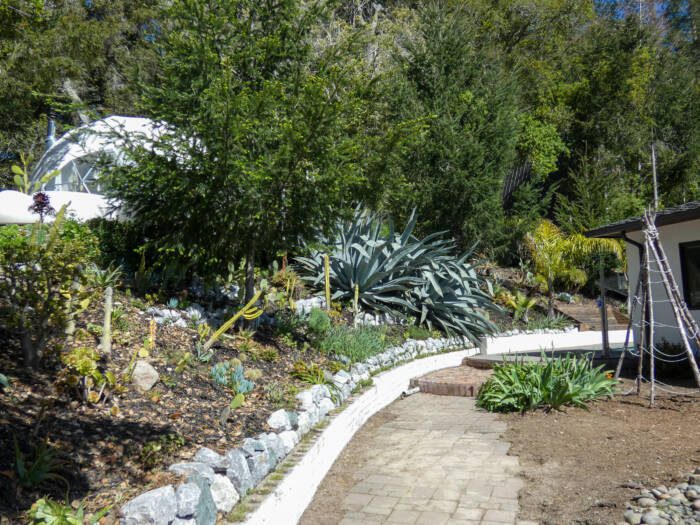
Building a Foundation for Sustainable Living
At the heart of homesteading today is the desire to live more intentionally and minimize waste. This often starts with a commitment to eco-friendly practices that can be implemented regardless of property size. Consider these foundational steps:
- Reduce, reuse, recycle: Prioritize using what you already have, repurposing materials, and recycling whenever possible.
- Composting: Turn kitchen scraps and yard waste into nutrient-rich compost to feed your garden and reduce landfill contributions.
- Water conservation: Install rain barrels, fix leaks promptly, and use drip irrigation to make the most of every drop.
For a deeper dive into the philosophy and daily habits that define this approach, the modern homesteading lifestyle guide provides a comprehensive overview.
Growing Your Own Food: Practical Approaches
One of the most impactful ways to enhance sustainability at home is by cultivating your own fruits, vegetables, and herbs. Even a small garden can supplement your diet and reduce reliance on store-bought produce. Here are some effective strategies:
- Raised beds and container gardening: Ideal for limited spaces, these methods allow for efficient use of soil and water.
- Succession planting: Stagger your plantings to enjoy a continuous harvest throughout the growing season.
- Heirloom and open-pollinated seeds: These varieties promote biodiversity and can be saved for future planting.

Many homesteaders also experiment with permaculture principles, companion planting, and natural pest management to create resilient, low-maintenance gardens.
Raising Animals Responsibly on the Homestead
Integrating animals into your property can provide a sustainable source of eggs, milk, meat, and natural fertilizer. However, it’s important to approach animal husbandry with care and respect for both the creatures and the environment. Consider the following tips:
- Choose appropriate breeds: Select animals suited to your climate and available space.
- Rotational grazing: Move livestock regularly to prevent overgrazing and promote healthy pastures.
- Ethical care: Provide shelter, clean water, and proper nutrition to ensure animal well-being.
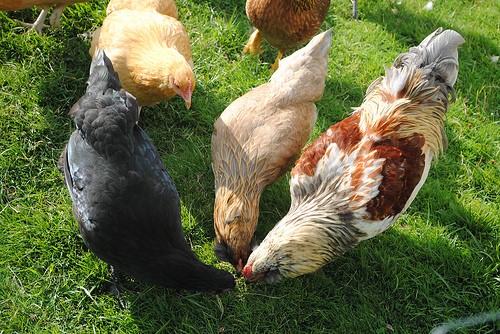
Chickens, goats, and bees are popular choices for newcomers, offering manageable care requirements and a variety of homestead products.
Energy Efficiency and Renewable Solutions
Reducing energy consumption and exploring alternative sources is a key aspect of sustainable homesteading. Here are some practical ideas:
- Solar panels: Harness the sun’s energy to power your home or outbuildings.
- Passive solar design: Use window placement, thermal mass, and insulation to naturally regulate indoor temperatures.
- LED lighting and energy-efficient appliances: Upgrade to reduce electricity use and lower utility bills.
Even small changes, like unplugging devices when not in use or air-drying laundry, can make a noticeable difference over time.
Preserving the Harvest: Food Storage and Waste Reduction
Extending the shelf life of homegrown produce is essential for year-round self-reliance. Consider these preservation methods:
- Canning: Safely store fruits, vegetables, and jams for months at a time.
- Freezing: Maintain the freshness of surplus crops and prepared meals.
- Dehydrating: Create shelf-stable snacks and ingredients with minimal equipment.
- Fermenting: Enhance nutrition and flavor with homemade sauerkraut, pickles, or yogurt.
By mastering these techniques, you can minimize food waste and enjoy the flavors of your harvest throughout the year.
Community Connections and Resource Sharing
Sustainable living is often strengthened by building relationships with neighbors and like-minded individuals. Sharing tools, seeds, and knowledge not only reduces costs but also fosters a sense of community resilience. Some ways to connect include:
- Joining local gardening or homesteading groups
- Participating in seed swaps or produce exchanges
- Attending workshops or volunteering at community gardens
For more inspiration and practical advice, you can explore in-depth resources on sustainable homesteading practices from experienced practitioners.
Adapting to Your Environment and Needs
Every homestead is unique, and the most effective sustainability strategies are those tailored to your specific circumstances. Assess your climate, available space, and personal goals to determine which practices make the most sense for you. Remember, progress is often incremental—small, consistent changes can lead to significant results over time.
If you’re curious about how these approaches differ from traditional methods, the article on modern homesteading vs traditional homesteading highlights key distinctions and evolving trends.
Frequently Asked Questions
What are the easiest ways to start living more sustainably at home?
Begin by reducing single-use items, composting food scraps, and growing a few herbs or vegetables in containers. These steps require minimal investment and can be expanded as you gain confidence.
Can you practice homesteading in an urban or suburban setting?
Absolutely. Many principles—such as container gardening, rainwater collection, and food preservation—work well in small spaces. Focus on what you can control and adapt ideas to fit your environment.
How do I balance sustainability with a busy lifestyle?
Start small and integrate new habits gradually. For example, set aside time each week for meal planning, batch cooking, or tending to your garden. Over time, these routines become second nature and can even save time in the long run.
Conclusion
Adopting modern homesteading sustainability tips is a rewarding journey that blends tradition with innovation. By making thoughtful choices about food production, energy use, and community engagement, anyone can contribute to a healthier planet and a more resilient lifestyle. For more practical advice and inspiration, explore related topics such as modern homesteading practices and discover the many benefits of modern homesteading for individuals and families alike.