Embracing modern homesteading livestock basics is a practical step for anyone looking to increase self-sufficiency, improve food security, or reconnect with traditional skills. Whether you have a few acres or a suburban backyard, raising animals can provide fresh eggs, milk, meat, and valuable manure for your garden. However, starting with livestock requires careful planning, a clear understanding of animal needs, and a willingness to learn new routines.
This guide covers the essentials for beginners, including how to choose the right animals, prepare your property, and manage daily care. You’ll also find tips on integrating livestock with your gardening efforts and resources for further learning. If you’re also interested in growing your own produce, consider exploring how to grow onions from bulbs for a well-rounded homestead approach.
Why Livestock Is Central to Modern Homesteading
Animals have always played a vital role in sustainable living. They turn food scraps and forage into high-quality protein, help manage weeds and pests, and provide manure that enriches soil. For those practicing modern homesteading livestock basics, even a small flock or herd can make a significant difference in food production and ecosystem health.
Integrating livestock into your homestead also encourages a deeper connection to the land and the cycles of nature. Daily chores, seasonal breeding, and the rhythms of animal care foster responsibility and resilience. The rewards go beyond food, offering a sense of accomplishment and a more sustainable lifestyle.
Choosing the Right Animals for Your Homestead
Selecting livestock depends on your goals, available space, local regulations, and experience level. Here are some common options for beginners:
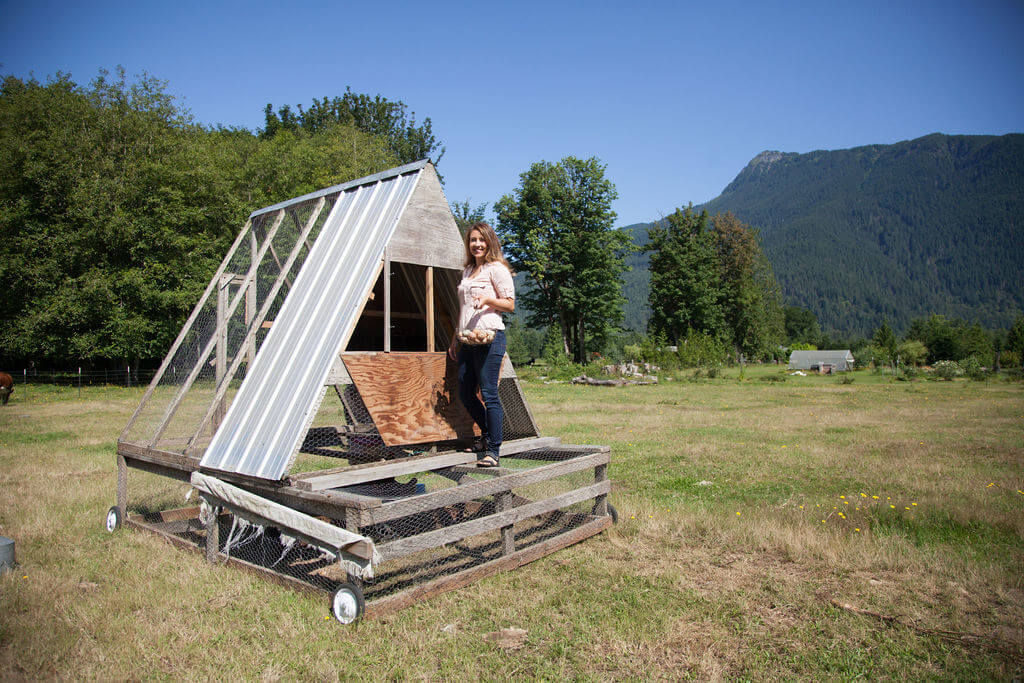
- Chickens: Ideal for eggs and meat. They require minimal space and are relatively easy to care for.
- Rabbits: Quiet, efficient, and suitable for small spaces. They provide lean meat and excellent manure for gardens.
- Goats: Versatile animals that produce milk, meat, and can help clear brush. They need sturdy fencing and shelter.
- Sheep: Great for meat, milk, and wool. They graze grass and are generally docile.
- Ducks: Hardy birds that lay eggs and control pests. They enjoy water features but can adapt to dry areas.
Before acquiring any animals, research their specific needs and check local ordinances regarding livestock. Some areas have restrictions on animal types or require permits.

Essential Infrastructure for Livestock Success
Proper infrastructure is a cornerstone of modern homesteading livestock basics. Animals need secure housing, clean water, and safe fencing. Here’s what to consider:
- Shelter: Protects animals from weather and predators. Coops, hutches, or barns should be well-ventilated and easy to clean.
- Fencing: Keeps livestock in and predators out. Choose materials suited to your animals—goats, for example, are notorious escape artists.
- Water: Fresh water must be available at all times. Automatic waterers or regularly cleaned buckets are essential.
- Feed Storage: Store grain and hay in dry, rodent-proof containers to prevent spoilage and waste.
Investing in good infrastructure up front saves time and reduces stress for both you and your animals. Regular maintenance is key to preventing problems.
Daily Care and Animal Health
Routine care is at the heart of responsible livestock management. Each species has unique requirements, but some basics apply to all:
- Feeding: Provide balanced diets appropriate for the species and life stage. Supplement with minerals and fresh greens when possible.
- Cleaning: Remove manure and soiled bedding regularly to prevent disease and odor.
- Health Checks: Observe animals daily for signs of illness, injury, or unusual behavior. Early intervention is crucial.
- Record Keeping: Track breeding, vaccinations, and health events. Good records help with planning and troubleshooting.
Building a relationship with a local veterinarian experienced in farm animals is highly recommended. They can advise on vaccinations, parasite control, and emergency care.
Integrating Livestock With Your Garden
One of the most rewarding aspects of homesteading is creating a closed-loop system where animals and plants support each other. Manure from chickens, rabbits, and other livestock can be composted to enrich garden soil. Some animals, like ducks, help control pests naturally.
If you’re working with limited space, you might also be interested in how to grow vegetables in small spaces. Combining intensive gardening with small-scale animal husbandry maximizes your harvest and sustainability.
Rotational grazing, using animals to clear garden beds after harvest, and integrating cover crops are all strategies that boost soil health and productivity.
Learning Resources and Community Support
Starting out with livestock can feel overwhelming, but you don’t have to go it alone. Many homesteaders find support through online forums, local extension offices, and community groups. For a deeper dive into the philosophy and practicalities of self-reliant living, check out this comprehensive introduction to modern homesteading.
Workshops, books, and farm tours are also valuable for building confidence and learning hands-on skills. As you gain experience, you’ll develop routines and preferences that fit your unique situation.
Common Challenges and Solutions
Every homesteader faces obstacles, especially in the early stages. Here are some typical challenges and how to address them:
- Predators: Secure fencing and locked shelters are your best defense. Motion-activated lights and livestock guardian animals can also help.
- Feed Costs: Grow supplemental feed crops, use kitchen scraps (where safe), and buy in bulk to reduce expenses.
- Time Management: Automate chores where possible and establish routines. Involve family members to share the workload.
- Animal Health Issues: Prevent problems with good hygiene, nutrition, and regular health checks. Keep a basic first-aid kit on hand.
Patience and adaptability are essential. Mistakes are part of the learning process, and each season brings new lessons.
Frequently Asked Questions
What is the easiest livestock for beginners?
Chickens are often recommended for those new to animal husbandry. They are hardy, require little space, and provide a steady supply of eggs. Rabbits are another good choice for small properties.
How much space do I need for livestock?
The amount of space depends on the species and your goals. A small flock of chickens can thrive in a backyard coop and run, while goats and sheep need more room to graze. Always check local regulations and aim to provide more space than the minimum requirements.
Can I raise animals and garden in the same area?
Yes, many homesteaders successfully combine gardening and livestock. Use rotational grazing, compost animal manure, and let animals help with pest control. Just ensure that edible crops are protected from overgrazing and contamination.
Conclusion
Mastering modern homesteading livestock basics is a journey that brings lasting rewards. With thoughtful planning, ongoing learning, and a willingness to adapt, you can create a thriving homestead that provides food, resilience, and satisfaction. Whether you’re starting with chickens, goats, or another species, the key is to begin small, build your skills, and enjoy the process of becoming more self-reliant.