
Adopting a modern homesteading greywater system guide approach can transform how you manage water resources on your property. Greywater systems recycle gently used water from sinks, showers, and laundry, making it available for irrigation and other non-potable uses. This not only reduces your environmental footprint but can also lower utility bills and support a more sustainable lifestyle. Understanding the basics, benefits, and practical steps for implementing such a system is essential for anyone interested in self-sufficiency and eco-friendly living.
Whether you have a small urban garden or a larger rural homestead, integrating a well-designed greywater setup can help you make the most of every drop. Before diving into the details, it’s helpful to explore related topics like how to grow onions from bulbs or other gardening strategies that pair well with water conservation methods.
Understanding Greywater in Sustainable Homesteading
Greywater refers to wastewater generated from household activities such as bathing, washing clothes, and cleaning dishes—excluding water from toilets, which is classified as blackwater. In the context of modern homesteading greywater system guide practices, this gently used water is captured, filtered, and redirected for landscape irrigation or other non-drinking purposes.
By reusing water that would otherwise flow down the drain, homesteaders can significantly decrease their reliance on municipal supplies or well water. This is especially valuable in regions prone to drought or where water conservation is a priority. Greywater systems also reduce the load on septic tanks, extending their lifespan and lowering maintenance costs.
Key Benefits of Implementing a Greywater System
There are several compelling reasons to incorporate a greywater solution into your homestead:
- Water Conservation: Reusing greywater can save thousands of gallons annually, making it a cornerstone of eco-conscious living.
- Cost Savings: Lower water bills and reduced septic maintenance translate to long-term financial benefits.
- Healthier Gardens: Plants often thrive on greywater, which contains small amounts of nutrients beneficial for soil and vegetation.
- Reduced Environmental Impact: Minimizing wastewater discharge helps protect local waterways and ecosystems.
For those interested in broader sustainable living strategies, resources like this overview of modern homesteading practices provide additional inspiration and practical tips.
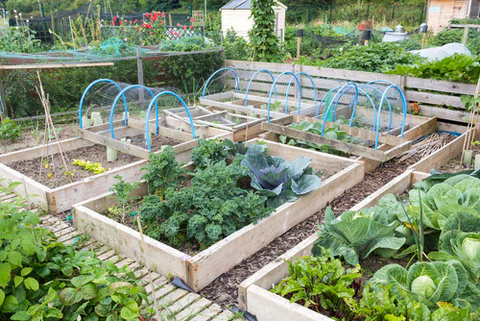
Types of Greywater Systems for the Homestead
Choosing the right system depends on your household size, property layout, and local regulations. Here are the most common options:
- Simple Diversion Systems: These setups redirect greywater directly from sources like washing machines or showers to outdoor irrigation zones. They are cost-effective and easy to install but may require manual operation.
- Branched Drain Networks: This method uses a series of pipes and valves to distribute water evenly to multiple garden beds or trees. It’s ideal for larger properties seeking efficient coverage.
- Constructed Wetlands: Mimicking natural filtration, these systems channel greywater through gravel and plant beds, removing contaminants before the water reaches your landscape.
- Drip Irrigation with Filtration: For those wanting targeted watering, filtered greywater can be delivered via drip lines directly to plant roots, minimizing evaporation and runoff.
Each approach has its pros and cons, so it’s wise to assess your needs and consult local guidelines before making a decision.
Planning and Installing a Greywater System
Proper planning is crucial for a successful installation. Start by mapping out your water sources—such as bathroom sinks, showers, and laundry machines—and identifying suitable areas for irrigation. Consider these steps:
- Check Local Regulations: Some regions have strict codes regarding greywater reuse. Always verify what is allowed in your area before proceeding.
- Select Appropriate Fixtures: Use plumbing fixtures and detergents labeled as greywater-safe to prevent soil contamination and protect plant health.
- Install Diverters and Filters: Devices like three-way valves and simple mesh filters help separate greywater from blackwater and remove debris.
- Design the Distribution Network: Plan piping routes to maximize coverage and avoid pooling or runoff. Gravity-fed systems are often the simplest and most reliable.
- Test and Monitor: Once operational, monitor the system for leaks, clogs, and proper flow. Adjust as needed to ensure optimal performance.
For those with limited space, integrating a greywater system with raised beds or container gardens can be highly effective. You might also explore how to grow vegetables in small spaces for additional ideas on maximizing yield with minimal water.

Best Practices for Safe and Effective Greywater Use
To ensure your system is both safe and productive, keep these guidelines in mind:
- Avoid Harmful Chemicals: Only use biodegradable soaps and detergents. Avoid products containing salts, boron, or chlorine bleach, which can damage plants and soil.
- Distribute Evenly: Rotate irrigation zones to prevent overwatering and soil saturation.
- Never Store Greywater: Use greywater within 24 hours to prevent odors and bacterial growth.
- Keep It Subsurface: Apply water below the soil surface or mulch layer to minimize human contact and evaporation.
- Monitor Plant Health: Watch for signs of stress or nutrient imbalance, and adjust your system or water sources as needed.
Integrating these habits into your daily routine will help you maintain a healthy, productive homestead while conserving resources.
Integrating Greywater with Other Homesteading Systems
Greywater recycling works best when combined with other sustainable practices. Pairing it with rainwater harvesting, composting, and organic gardening can create a closed-loop system that maximizes efficiency and minimizes waste. For example, using greywater to irrigate fruit trees or perennial beds complements efforts to grow the best vegetables to grow at home and maintain a thriving landscape year-round.
Homesteaders often find that integrating multiple resource-saving systems not only boosts productivity but also builds resilience against drought and changing climate conditions.
Common Challenges and Troubleshooting Tips
While greywater systems are generally low-maintenance, occasional issues may arise. Here are some common challenges and solutions:
- Clogged Pipes: Regularly clean filters and avoid flushing lint, hair, or food particles into the system.
- Unpleasant Odors: Ensure water is distributed quickly and subsurface. Stagnant greywater can develop odors if left unused.
- Plant Sensitivity: Some plants are more sensitive to greywater than others. Test on a small area before widespread use, and avoid irrigating edible leaves directly.
- Regulatory Compliance: Stay informed about local laws and update your system as needed to remain compliant.
Addressing these issues promptly will help you enjoy the full benefits of your water-saving setup.
Frequently Asked Questions
What household sources can provide greywater for my system?
Common sources include bathroom sinks, showers, bathtubs, and washing machines. Kitchen sinks and dishwashers are sometimes excluded due to higher levels of grease and food particles, which can clog pipes and harm plants.
Is it safe to use greywater on edible crops?
Greywater is best used for irrigating non-edible plants, fruit trees, or ornamental beds. If you wish to use it on vegetables, apply it only to the soil and avoid contact with edible portions. Always use greywater-safe soaps and avoid harsh chemicals.
Do I need a permit to install a greywater system?
Regulations vary by location. Some areas require permits or inspections, while others allow simple systems without formal approval. Always check with your local health or building department before starting your project.
Conclusion
Adopting a modern homesteading greywater system guide approach is a practical way to conserve water, reduce costs, and support a sustainable lifestyle. By understanding the principles, choosing the right setup, and following best practices, you can make a positive impact on your property and the environment. Whether you are just starting your homesteading journey or looking to enhance your existing systems, greywater recycling is a valuable tool for modern, eco-conscious living.