Embracing a homesteading lifestyle means more than just growing your own food or raising livestock—it’s about building a self-sufficient home where every family member plays a vital part. Understanding how to divide responsibilities and work together is essential for a thriving, modern homestead. This modern homesteading family roles guide explores how families can organize tasks, foster cooperation, and ensure that everyone contributes to a sustainable and rewarding way of life.
Whether you’re just starting out or looking to refine your current system, assigning clear roles can make daily life smoother and more productive. From gardening and animal care to food preservation and financial planning, each job supports the collective goal of self-reliance. If you’re interested in expanding your gardening skills, you might also find value in learning how to grow onions from bulbs for your homestead kitchen.
Defining Key Responsibilities in a Self-Sufficient Household
A successful homestead relies on teamwork and clear communication. While every family is unique, there are several core areas where responsibilities are typically divided. This section outlines the main categories of work and suggests how families can approach them collaboratively.
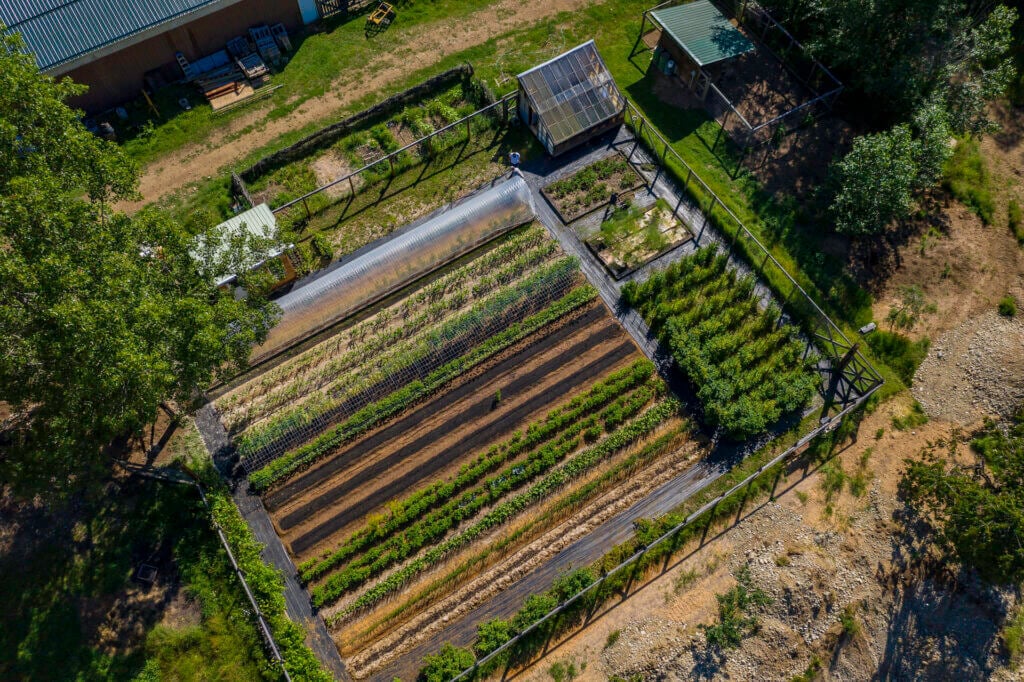
- Gardening and Crop Production: Planning, planting, watering, weeding, and harvesting are ongoing tasks. Assigning beds or crops to specific family members can foster ownership and accountability.
- Animal Husbandry: Daily animal care includes feeding, cleaning, milking, egg collection, and monitoring health. Rotating chores or designating a primary caretaker for each species helps ensure consistency.
- Food Preservation and Cooking: Processing the harvest through canning, freezing, or dehydrating is a major seasonal job. Meal planning and cooking can be shared or rotated among family members.
- Maintenance and Repairs: Homesteads require regular upkeep, from fixing fences to maintaining tools and equipment. Older children and adults can share these tasks based on skill and interest.
- Financial Management: Budgeting, record-keeping, and sourcing supplies are crucial for sustainability. Involving teens in these areas builds valuable life skills.
Assigning Roles for Adults and Children
One of the strengths of a homesteading lifestyle is the opportunity for every family member to contribute in meaningful ways. Assigning roles based on age, ability, and interest not only divides the workload but also helps children develop a sense of responsibility and pride.
Adults: Leadership and Specialized Tasks
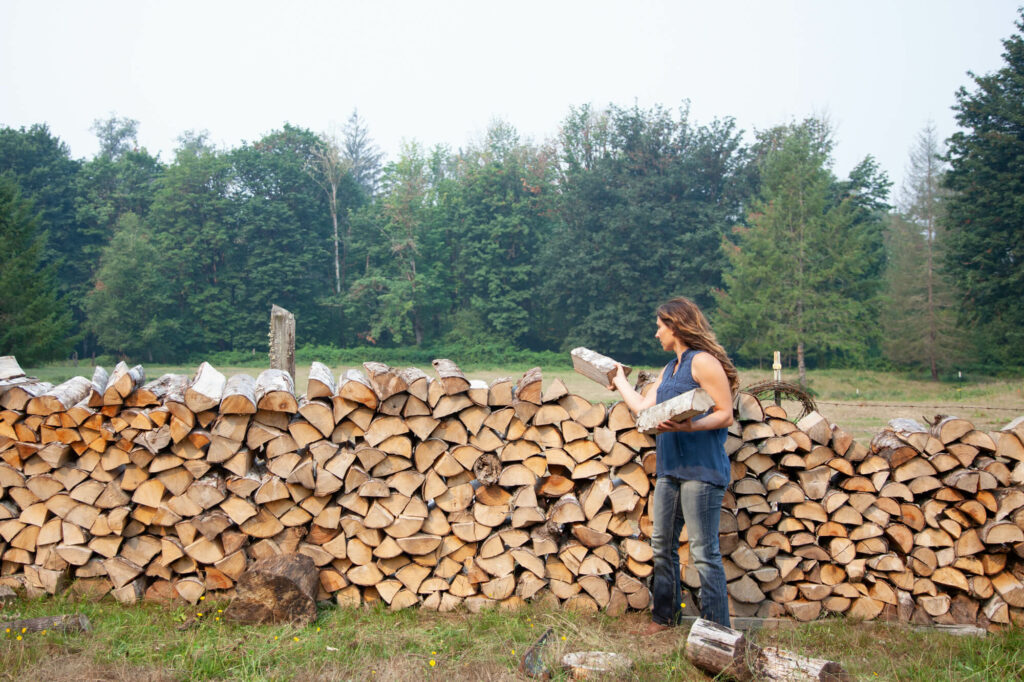
Adults often take on the most physically demanding or specialized jobs, such as operating machinery, managing finances, or handling livestock breeding. They also serve as mentors, teaching children and teens the skills needed for more complex tasks over time.
- Overseeing overall homestead planning and long-term projects
- Managing large equipment and power tools
- Supervising animal health and veterinary care
- Coordinating food preservation efforts
Children and Teens: Learning and Growing
Young children can help with simple chores like collecting eggs, watering plants, or feeding small animals. As they grow, their responsibilities can expand to include weeding, harvesting, or assisting with food prep. Teens may take on leadership roles, such as managing a garden plot or caring for a specific group of animals.
- Collecting eggs and feeding small livestock
- Watering and weeding garden beds
- Helping with household cleaning and organization
- Assisting with canning, freezing, or dehydrating produce
Strategies for Organizing Family Chores
Clear organization is key to avoiding burnout and ensuring that no task is overlooked. Here are some practical strategies for dividing and tracking homestead chores:
- Chore Charts: Visual charts help everyone remember their daily and weekly responsibilities. Rotate chores regularly to keep things fair and allow everyone to learn new skills.
- Family Meetings: Weekly check-ins provide a chance to discuss what’s working, address challenges, and adjust assignments as needed.
- Skill-Based Assignments: Match tasks to each person’s strengths and interests to increase motivation and efficiency.
- Seasonal Planning: Some jobs, like planting or harvesting, are seasonal. Plan ahead so everyone knows when to expect busier periods.
Balancing Workloads and Preventing Burnout
Homesteading can be demanding, especially during peak seasons. Balancing workloads and ensuring that everyone gets time to rest is essential for long-term success.
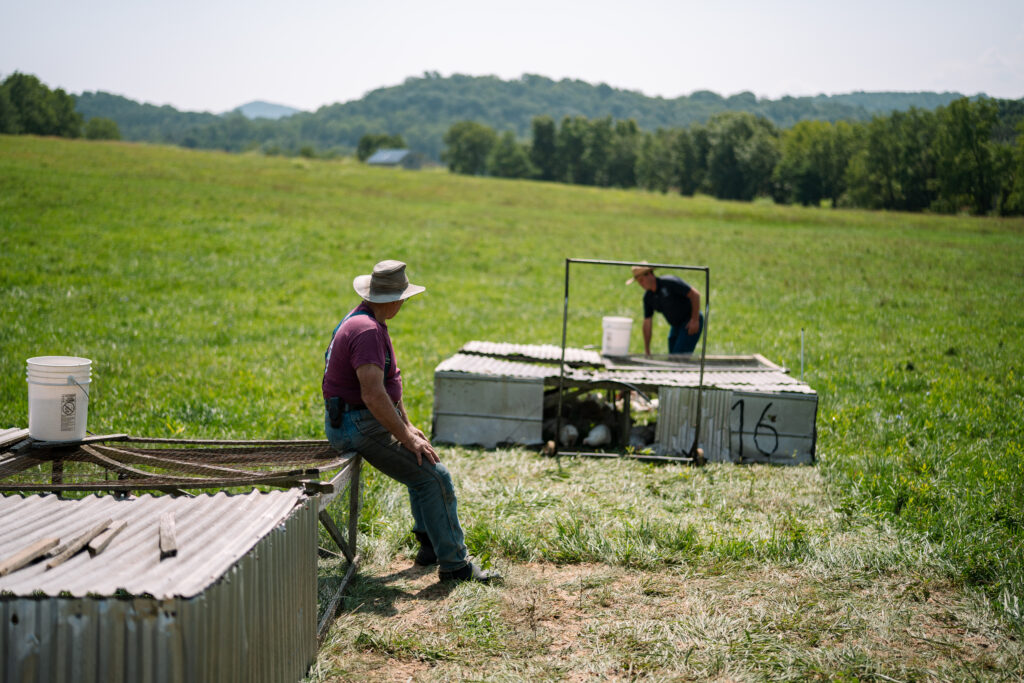
- Share the Load: Avoid letting one person become overwhelmed. Rotate labor-intensive tasks and encourage teamwork.
- Schedule Downtime: Make time for rest, recreation, and family activities. This helps maintain morale and strengthens relationships.
- Ask for Help: Don’t hesitate to reach out to neighbors or local homesteading groups for advice or assistance when needed.
Adapting Roles Over Time
As children grow and adults’ circumstances change, family roles on the homestead will naturally evolve. Regularly revisiting your division of labor ensures that everyone remains engaged and that the workload is distributed fairly.
Encourage open communication so that family members feel comfortable expressing when they’re ready for new challenges or need extra support. Flexibility is key to maintaining a healthy, productive homestead.
Learning from Other Homesteaders
Connecting with other families who share your values can provide inspiration and practical solutions. Online resources, local workshops, and community events are great ways to exchange ideas and learn new skills. For additional insights, consider reading this comprehensive overview of modern homesteading practices to see how others structure their routines and responsibilities.
Integrating Homesteading with Modern Life
Many families balance homesteading with outside jobs, school, and community commitments. Flexibility and creativity are essential for integrating these roles with modern life. Consider these tips:
- Time Management: Use calendars or digital reminders to coordinate homestead tasks with work and school schedules.
- Involve Everyone: Even young children can help in small ways, building a sense of teamwork and accomplishment.
- Continuous Learning: Encourage family members to explore new skills, whether it’s learning how to grow vegetables in small spaces or trying out new preservation methods.
Frequently Asked Questions
How can families decide who does which chores on the homestead?
Start by listing all necessary tasks and discussing each person’s interests, strengths, and availability. Assign roles based on ability and preference, and rotate chores regularly to keep things fair and engaging.
What are some ways to involve young children in homesteading?
Young children can participate by collecting eggs, watering plants, or helping with simple food prep. Assign age-appropriate tasks and provide supervision and encouragement as they learn new skills.
How do you handle busy seasons when there’s more work than usual?
Plan ahead for peak times like planting and harvest. Divide extra tasks among all available family members, ask for help from friends or neighbors, and remember to schedule rest periods to prevent burnout.
Conclusion
Building a resilient, self-sufficient homestead is a team effort. By clearly defining roles, encouraging open communication, and adapting as your family grows, you can create a thriving environment where everyone feels valued. Whether you’re tending gardens, raising animals, or preserving the harvest, each contribution brings you closer to a sustainable and fulfilling lifestyle.