Urban living doesn’t have to mean giving up on self-sufficiency or the joys of growing your own food. With a little creativity and the right strategies, even a small balcony can become a productive, beautiful garden. This guide shares practical modern homesteading balcony gardening tips to help you transform limited outdoor space into a thriving green haven.
Whether you’re new to city gardening or looking to maximize your current setup, you’ll find actionable advice here. From choosing the right containers and crops to sustainable practices and troubleshooting, these ideas are designed to help you grow more with less space. If you’re interested in expanding your homesteading skills beyond gardening, you might also enjoy exploring modern homesteading knitting for beginners for creative, hands-on projects.

Getting Started: Assessing Your Balcony Space
Before diving into container selection or plant choices, it’s important to evaluate your balcony’s unique characteristics. Consider these factors:
- Sunlight: Track how many hours of direct sun your balcony receives. Most vegetables and herbs need at least 4–6 hours daily.
- Wind Exposure: High-rise balconies can be windy, which affects plant health and watering needs.
- Weight Limits: Check your building’s guidelines for maximum weight, especially if you plan to use large containers or raised beds.
- Accessibility: Make sure you can easily reach all areas for watering, harvesting, and maintenance.
Understanding these elements will help you design a garden that’s both productive and safe.
Choosing Containers for Urban Homesteading
One of the most important balcony gardening tips for modern homesteaders is selecting the right containers. The options are nearly endless, but a few key considerations will guide your choices:
- Material: Plastic, ceramic, metal, and fabric grow bags each have pros and cons. Plastic is lightweight and retains moisture, while ceramic looks attractive but can be heavy.
- Size: Larger containers hold more soil, which means more consistent moisture and healthier roots. However, they’re heavier and take up more space.
- Drainage: Ensure every pot has drainage holes to prevent root rot. Elevate containers slightly to allow water to escape freely.
- Vertical Options: Use shelves, hanging baskets, or wall-mounted planters to maximize growing area without crowding the floor.
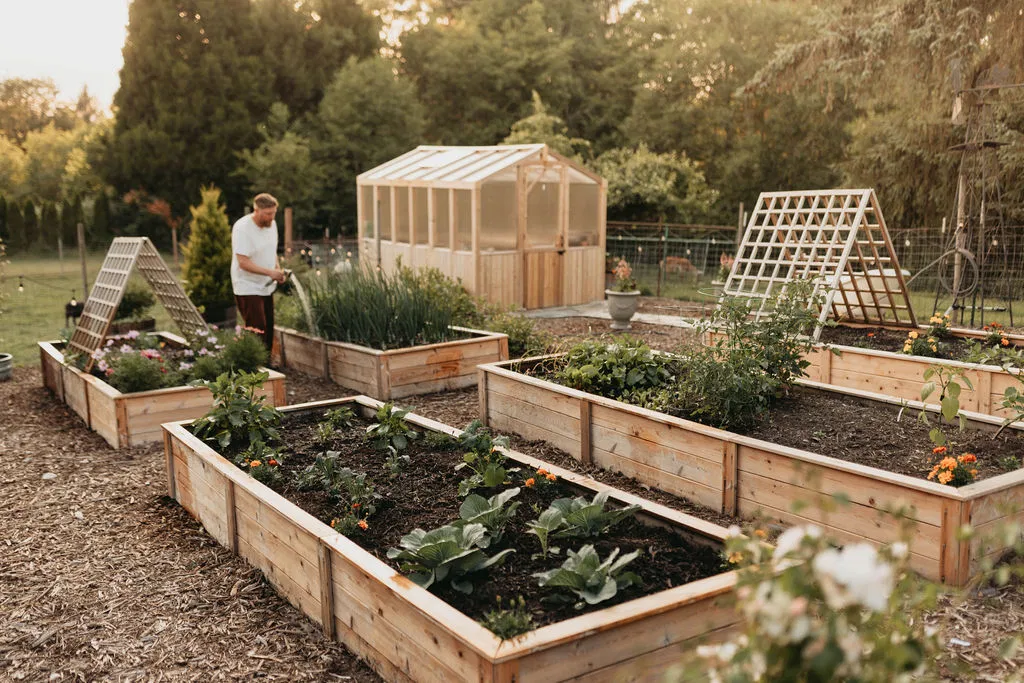
Don’t be afraid to repurpose items like buckets, crates, or even old furniture as planters—just make sure they’re safe for food crops and have adequate drainage.
Best Crops for Small-Space Gardeners
Not all plants thrive in containers or limited spaces. Focus on varieties that are compact, productive, and well-suited to your balcony’s conditions. Here are some top picks for modern homesteading balcony gardening:
- Herbs: Basil, parsley, chives, mint, and thyme are easy to grow and useful in the kitchen.
- Leafy Greens: Lettuce, spinach, arugula, and kale grow quickly and can be harvested multiple times.
- Tomatoes: Choose dwarf or patio varieties bred for containers.
- Peppers: Both hot and sweet peppers do well in pots with plenty of sun.
- Radishes and Carrots: Look for “baby” or “round” types that don’t need deep soil.
- Strawberries: These can be grown in hanging baskets or vertical planters for a sweet treat.
Mix edible flowers like nasturtiums or calendula for color and pollinator appeal.
Soil, Watering, and Fertilizing for Balcony Gardens
Success in container gardening depends heavily on soil quality and consistent care. Follow these essential balcony gardening tips for healthy plants:
- Soil: Use a high-quality, organic potting mix designed for containers. Avoid using garden soil, which can compact and drain poorly.
- Watering: Containers dry out faster than ground beds, especially in sun and wind. Check soil moisture daily during hot weather and water thoroughly when the top inch feels dry.
- Fertilizing: Regular feeding is crucial. Use a balanced, slow-release fertilizer or supplement with liquid feeds every few weeks, following package instructions.
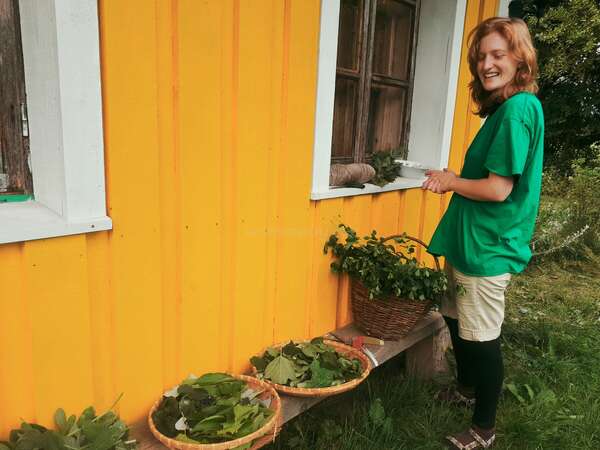
Mulching the surface of your containers with straw, shredded leaves, or coconut coir can help retain moisture and reduce weeds.
Sustainable Practices for Urban Homesteaders
Modern homesteading is about more than just growing food—it’s also about adopting eco-friendly habits and making the most of available resources. Here are some ways to practice sustainability on your balcony:
- Composting: Small-scale composters or worm bins can turn kitchen scraps into valuable fertilizer for your plants.
- Water Conservation: Collect rainwater if allowed, or reuse water from rinsing produce for your garden.
- Natural Pest Control: Encourage beneficial insects, use physical barriers, and try homemade sprays before resorting to chemicals.
- Seed Saving: Grow open-pollinated varieties and save seeds for next season to reduce costs and promote resilience.
For a deeper understanding of the philosophy behind these practices, check out this detailed overview of homesteading principles and how they apply to modern life.
Common Challenges and How to Overcome Them
Every balcony gardener faces obstacles, but most issues can be solved with a little troubleshooting:
- Limited Light: Use reflective surfaces, position plants for maximum sun, or supplement with grow lights if needed.
- Pests: Inspect plants regularly, remove affected leaves, and use natural deterrents like neem oil or insecticidal soap.
- Overcrowding: Resist the urge to plant too densely. Give each plant enough space for healthy growth and airflow.
- Wind Damage: Shield plants with screens or group containers together for mutual protection.
With patience and observation, you’ll learn what works best in your unique space and climate.
Expanding Your Homesteading Skills
Balcony gardening is just one aspect of a self-reliant lifestyle. Many urban homesteaders also explore skills like food preservation, textile crafts, and DIY projects. If you’re interested in broadening your abilities, you might find value in resources such as the modern homesteading candle making basics or the modern homesteading textile skills guide. These guides offer step-by-step instructions for practical, rewarding projects you can do at home.
Frequently Asked Questions
What are the easiest vegetables to grow on a balcony?
Leafy greens like lettuce and spinach, herbs such as basil and parsley, and compact tomatoes or peppers are among the simplest crops for container gardens. They require minimal space and adapt well to pots.
How often should I water my balcony plants?
Container plants typically need more frequent watering than those in the ground. Check soil moisture daily, especially during hot or windy weather, and water when the top inch feels dry. Early morning or evening is best to minimize evaporation.
Can I compost on a small balcony?
Yes, small-scale composting is possible with worm bins or compact composters designed for apartments. These systems are odor-free when managed properly and provide excellent fertilizer for your plants.
Conclusion
Embracing modern homesteading balcony gardening tips empowers you to make the most of any outdoor space, no matter how limited. By choosing the right containers, crops, and sustainable practices, you can enjoy fresh produce, connect with nature, and take meaningful steps toward self-sufficiency—even in the heart of the city. With a little planning and creativity, your balcony can become a productive extension of your home and a source of pride year-round.