Urban gardening and small-space homesteading are on the rise, and with them comes a growing interest in cultivating fruit trees that fit compact environments. Dwarf varieties offer a practical solution for those with limited outdoor areas, patios, or even balconies. Learning how to grow dwarf fruit trees can transform a modest yard or container garden into a productive, beautiful oasis.
These miniature trees provide full-sized fruit on a smaller scale, making them ideal for anyone looking to enjoy homegrown harvests without the need for a sprawling orchard. Whether you’re a beginner or an experienced gardener, understanding the essentials of care, placement, and variety selection will set you up for success.
For those interested in broader homesteading practices, the modern homesteading beginner mistakes guide offers valuable tips to help you avoid common pitfalls as you expand your self-sufficiency skills.
Choosing the Right Dwarf Fruit Tree Varieties
Selecting the best type of tree for your space is the first step. Dwarf fruit trees are available in many popular species, including apples, peaches, cherries, plums, and citrus. These trees are bred or grafted onto rootstocks that limit their mature size, usually reaching between 6 and 10 feet tall.
- Apples: Reliable and adaptable, many apple cultivars thrive in small yards and containers.
- Peaches and Nectarines: Compact peach trees can produce juicy fruit in just a few years.
- Citrus: Lemons, limes, and oranges do well in pots and can be moved indoors during cold weather.
- Cherries and Plums: These stone fruits are available in dwarf forms suitable for limited spaces.
When shopping for trees, look for varieties labeled as “dwarf” or “miniature.” Consult local nurseries for recommendations suited to your climate and growing conditions.
Container Gardening: Growing Fruit Trees Without a Yard
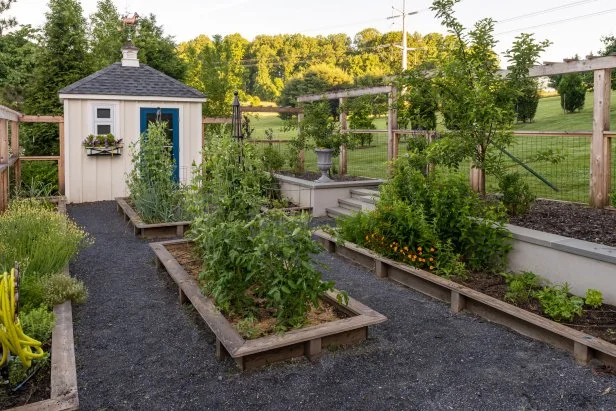
One of the greatest advantages of dwarf trees is their suitability for container gardening. With the right setup, you can grow fruit even without access to soil beds. Choose a large, sturdy pot—at least 15–20 gallons in size—to provide ample root space. Ensure the container has drainage holes to prevent waterlogging.
Use high-quality potting mix designed for fruit trees or container plants. Avoid garden soil, which can compact and hinder root growth. Place your container in a location that receives at least 6–8 hours of sunlight daily. Balconies, patios, and sunny doorsteps can all serve as productive growing spots.
Essential Care Tips for Thriving Dwarf Fruit Trees
Proper care is key to healthy, productive trees. Here are some fundamental practices for those learning how to grow dwarf fruit trees in containers or small gardens:
- Watering: Dwarf trees need consistent moisture, especially in containers. Water when the top inch of soil feels dry, but avoid letting roots sit in water.
- Feeding: Apply a balanced, slow-release fertilizer formulated for fruit trees in early spring and again in midsummer. Container-grown trees may need more frequent feeding.
- Pruning: Regular pruning maintains shape, encourages airflow, and promotes fruit production. Remove dead or crossing branches and thin out crowded growth.
- Pollination: Some varieties require a second tree for cross-pollination. Check labels or ask your nursery if your chosen type is self-fertile or needs a companion.
- Winter Protection: In colder climates, move potted trees to a sheltered spot or insulate containers to protect roots from freezing.
For more ideas on maximizing small-scale gardening, explore modern homesteading herbal garden ideas to complement your fruit tree setup.
Maximizing Yields in Limited Spaces
To get the most from your compact orchard, consider these strategies:
- Espalier Training: Train trees to grow flat against a wall or fence, saving space and creating an attractive feature.
- Successive Planting: Stagger different varieties or species to extend your harvest season and enjoy fresh fruit over several months.
- Companion Planting: Grow herbs or flowers at the base of your trees to attract pollinators and deter pests.
- Regular Monitoring: Check for signs of pests or disease and address issues promptly to keep trees healthy.

With thoughtful planning and care, even the smallest spaces can yield impressive results. Dwarf fruit trees are not only productive but also add beauty and structure to patios, decks, and entryways.
Common Challenges and How to Overcome Them
While compact fruit trees are generally easy to manage, a few challenges may arise:
- Root Bound Trees: Container-grown trees can become root bound over time. Repot every 2–3 years into a slightly larger container or trim the roots and refresh the soil.
- Pest Issues: Aphids, mites, and scale insects can affect trees. Use organic sprays or introduce beneficial insects to control outbreaks.
- Overwatering or Underwatering: Monitor soil moisture carefully, especially in hot weather. Consistent watering is crucial for healthy growth.
- Insufficient Light: If your space is shaded, consider using supplemental lighting. LED grow lights can help boost fruit production indoors or in low-light areas.
For a deeper dive into the mindset and lifestyle shifts that support successful home food production, check out this beginner’s guide to homesteading principles.
Integrating Dwarf Fruit Trees Into Your Homestead
Small-scale fruit trees can be a cornerstone of a productive homestead, even in urban or suburban settings. They pair well with other sustainable practices, such as herb gardening, composting, and rainwater collection. For those interested in expanding their skills, the modern homesteading fencing guide provides insights on protecting your garden from wildlife and pets.
With careful selection and ongoing care, you can enjoy fresh, homegrown fruit for years to come—no matter how limited your space may be.
Frequently Asked Questions
Can dwarf fruit trees be grown indoors?
Yes, many dwarf varieties—especially citrus—can thrive indoors if provided with sufficient light. Place them near a sunny window or use LED grow lights to ensure they receive at least 6–8 hours of light daily. Indoor trees may require hand pollination and careful monitoring of humidity.
How long does it take for dwarf fruit trees to bear fruit?
Most dwarf fruit trees start producing within 2–4 years after planting, much sooner than standard-sized trees. The exact timeline depends on the species, variety, and growing conditions.
What is the best time of year to plant dwarf fruit trees?
The ideal time to plant is in early spring or fall, when temperatures are mild and trees can establish roots before extreme heat or cold. Container-grown trees can be planted at almost any time, provided they are protected from frost and intense summer sun.