When it comes to sustainable farming practices, the debate between crop rotation vs monoculture is a significant one. Understanding the differences between these two agricultural methods is crucial for homesteaders aiming to optimize their land use and yield. Crop rotation involves alternating different types of crops in the same area across seasons, while monoculture focuses on growing a single crop type repeatedly in the same space. This comparison matters because it impacts soil health, pest control, and crop productivity. Whether you’re a seasoned farmer or a beginner, knowing which method to apply can greatly influence the success of your homestead. For those interested in learning more about crop rotation, the Modern Homesteading Crop Rotation Guide offers valuable insights.
Quick Comparison
| Aspect | Crop Rotation | Monoculture |
|---|---|---|
| Key Features | Alternates crops to improve soil health and reduce pests | Focuses on a single crop for simplicity and specialization |
| Pros | Enhances biodiversity, improves soil structure, reduces pest buildup | Increases efficiency, simplifies management, maximizes yield of a single crop |
| Cons | Requires more planning and knowledge, can be labor-intensive | Depletes soil nutrients, increases vulnerability to pests and diseases |
| Ideal Use-Case | Best for diverse farms aiming for long-term sustainability | Suitable for large-scale farms focusing on high yield of a specific crop |
For those new to crop rotation, the Crop Rotation Plan for Beginners: A Simple Visual Guide provides an excellent starting point.
Crop Rotation
Crop rotation is a farming practice that involves growing different types of crops in the same area in sequential seasons. This method is designed to maintain soil fertility and health by preventing nutrient depletion and reducing pest and disease cycles. Key features of crop rotation include its ability to enhance soil structure and fertility, promote biodiversity, and break pest and disease cycles. By rotating crops, farmers can naturally replenish soil nutrients and reduce the need for chemical fertilizers and pesticides.
Pros: Crop rotation is known for its environmental benefits, such as improving soil health and reducing the need for chemical inputs. It also helps in controlling pests and diseases naturally, thus promoting a more sustainable farming system.
Cons: However, crop rotation requires careful planning and a good understanding of crop compatibility and soil requirements. It can be labor-intensive and may not be suitable for all types of crops or farming operations.
Monoculture
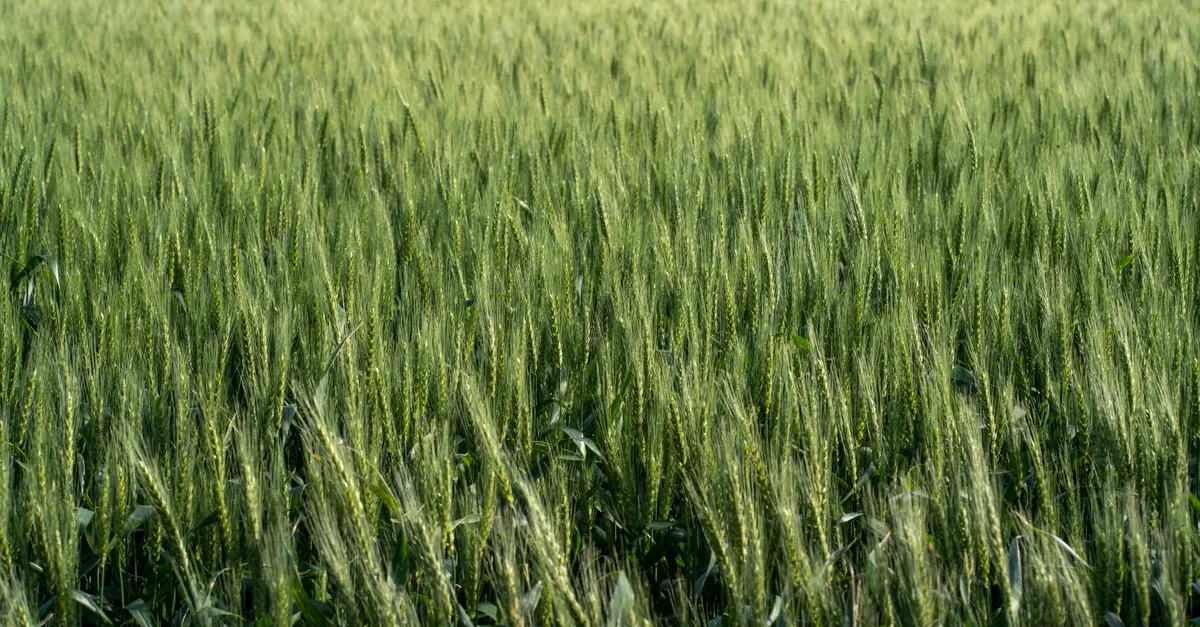
Monoculture refers to the agricultural practice of growing a single crop species over a large area for consecutive years. This method is often used in industrial farming due to its efficiency and potential for high yield. Key features of monoculture include its focus on maximizing the production of a specific crop, which can lead to economies of scale and simplified farm management.
Pros: The primary advantage of monoculture is its ability to produce large quantities of a single crop efficiently. It allows farmers to specialize in one crop, which can lead to increased expertise and optimized production processes.
Cons: On the downside, monoculture can lead to soil degradation and increased vulnerability to pests and diseases, as it disrupts natural ecological balances. It often requires significant chemical inputs to maintain soil fertility and control pests.
Head-to-Head Comparison
When comparing crop rotation vs monoculture, several factors come into play. In terms of performance, crop rotation tends to promote healthier soil and more sustainable yields over the long term, while monoculture can achieve higher immediate yields but may degrade soil quality over time. Feature-wise, crop rotation offers biodiversity and natural pest control, whereas monoculture provides simplicity and specialization. Regarding build quality, crop rotation supports robust soil structure, while monoculture may lead to soil erosion. Pricing is generally more favorable for monoculture in the short term due to lower initial costs, but crop rotation can offer better value over time by reducing the need for chemical inputs. Durability favors crop rotation, as it maintains soil health and productivity, making it ideal for homesteaders focused on sustainability. Monoculture, however, is best for large-scale operations prioritizing high yields of a single crop.
Which One Should You Choose?
The choice between crop rotation and monoculture largely depends on your specific needs and goals. If you are a homesteader interested in long-term sustainability and soil health, crop rotation is the better option. It is ideal for those who want to maintain biodiversity and reduce chemical use. On the other hand, if your primary goal is to maximize the yield of a specific crop and you have the resources to manage soil health through other means, monoculture might be more suitable. This method is particularly beneficial for large-scale farms with the infrastructure to support intensive farming practices.
Frequently Asked Questions
What is the main advantage of crop rotation? Crop rotation’s main advantage is its ability to maintain soil health and fertility by preventing nutrient depletion and breaking pest and disease cycles.
Why is monoculture considered risky? Monoculture is risky because it can lead to soil degradation and increased vulnerability to pests and diseases, requiring more chemical inputs to maintain productivity.
Can crop rotation be used in small gardens? Yes, crop rotation can be effectively implemented in small gardens to enhance soil health and reduce pest issues, making it a versatile option for various scales of farming.