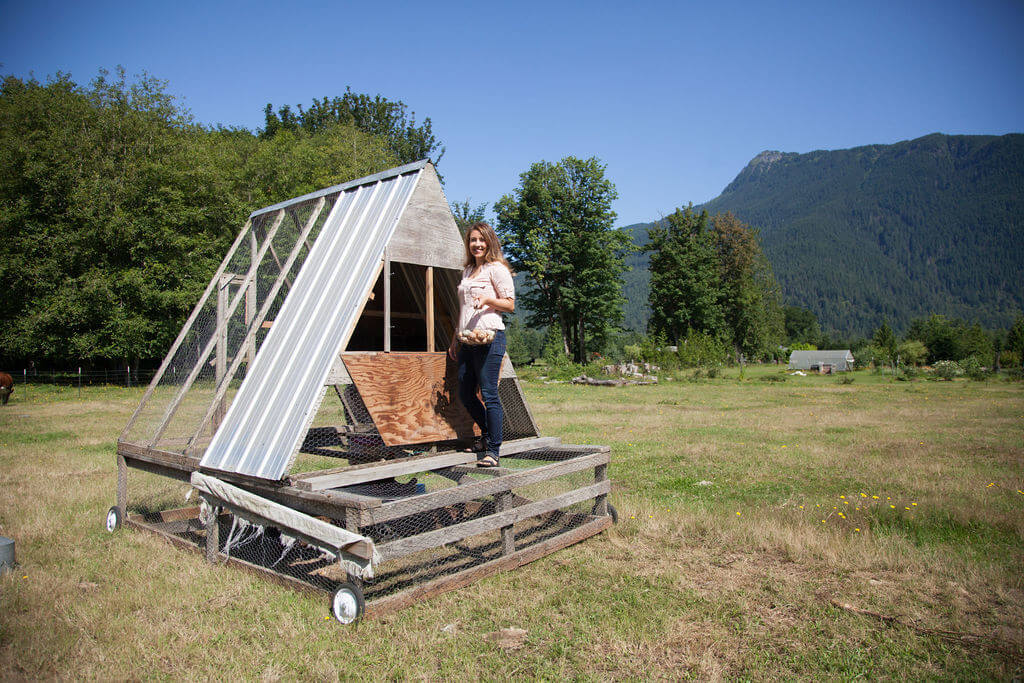
As climate patterns shift and water scarcity becomes a growing concern, more people are turning to modern homesteading drought resistant gardening as a practical way to grow food and cultivate resilient landscapes. This approach combines time-tested self-sufficiency with contemporary techniques, focusing on sustainable methods that conserve water while still producing abundant harvests. Whether you’re managing a small backyard or a larger rural property, understanding how to adapt your gardening practices for dry conditions is essential for long-term success.
In this article, we’ll explore the core principles of water-wise gardening, share actionable tips for choosing drought-tolerant plants, and highlight strategies for soil improvement and efficient irrigation. If you’re interested in expanding your homesteading skills further, you may also find value in our modern homesteading vertical gardening tips for maximizing space and yields.
Core Principles of Water-Smart Homesteading
Adapting your garden to thrive in dry conditions starts with understanding the fundamentals of drought-resistant gardening. The goal is to create a system that uses water efficiently, builds healthy soil, and supports plant varieties that can withstand periods of low rainfall. Here are the foundational concepts:
- Soil Health: Healthy, organic-rich soil retains moisture better and supports stronger root systems.
- Plant Selection: Choosing species and cultivars adapted to your climate reduces water needs and increases resilience.
- Efficient Irrigation: Targeted watering methods, such as drip irrigation, minimize waste and deliver moisture where it’s needed most.
- Mulching: A thick layer of mulch helps prevent evaporation, suppresses weeds, and keeps roots cool.
- Design for Water Flow: Arranging beds and pathways to capture and direct rainfall maximizes every drop.

Choosing the Right Plants for Dry Conditions
Selecting crops and ornamentals that naturally tolerate drought is one of the most effective ways to ensure success in a water-wise garden. Many traditional homesteading favorites—such as beans, squash, and certain herbs—are surprisingly resilient when established properly. Here are some plant categories to consider:
- Native Species: Plants indigenous to your region are already adapted to local rainfall patterns and soil types.
- Deep-Rooted Vegetables: Crops like okra, sweet potatoes, and some tomatoes develop roots that seek out moisture deep in the soil.
- Perennial Herbs: Rosemary, sage, thyme, and oregano thrive in hot, dry conditions and require little supplemental water once established.
- Fruit Trees: Certain varieties of figs, olives, and pomegranates are well-suited to arid climates.
- Ornamental Grasses and Flowers: Lavender, yarrow, and echinacea add beauty while tolerating drought.
For those interested in expanding their edible landscape, our modern homesteading backyard orchard guide offers additional insights into selecting and caring for fruit trees in challenging conditions.
Soil Management for Water Retention
Building soil that holds onto moisture is a cornerstone of modern homesteading drought resistant gardening. The following practices help create a thriving environment for plants, even during dry spells:
- Compost Addition: Regularly incorporate compost to improve soil structure and increase organic matter.
- Mulching: Apply organic mulch (such as straw, wood chips, or shredded leaves) around plants to reduce evaporation and regulate soil temperature.
- Cover Cropping: Grow cover crops during the off-season to prevent erosion, add nutrients, and enhance water retention.
- Minimal Tillage: Disturbing the soil as little as possible helps maintain its structure and preserves beneficial organisms.
Efficient Watering Techniques for the Modern Homestead
Water conservation is at the heart of any successful drought-adapted garden. By using smart irrigation methods, you can ensure your plants get the moisture they need without waste. Consider these strategies:
- Drip Irrigation: Delivers water directly to plant roots, reducing evaporation and runoff.
- Soaker Hoses: Provide slow, deep watering that encourages strong root growth.
- Watering Early or Late: Apply water in the early morning or evening to minimize loss from heat and wind.
- Rainwater Harvesting: Collect runoff from roofs and store it for use during dry periods.
- Group Plants by Water Needs: Place thirstier crops together and keep drought-tolerant varieties in separate zones.
If you’re interested in extending your growing season while managing water efficiently, our modern homesteading greenhouse tips provide practical advice for controlled environments.
Designing a Resilient Garden Layout
The way you organize your garden beds and pathways can have a significant impact on water use and plant health. Here are some layout ideas to consider for a more drought-resilient homestead:
- Swales and Berms: Shape the land to capture and slow rainwater, allowing it to soak in rather than run off.
- Sunken Beds: Lowered planting areas can collect and retain more moisture.
- Windbreaks: Hedges or fences reduce evaporation by protecting plants from drying winds.
- Shade Structures: Use shade cloth or plant taller crops to shield sensitive plants during the hottest part of the day.
For more on preserving your harvest and managing food supplies during dry spells, explore our modern homesteading food storage guide.
Learning from Permaculture and Community Resources
Many of the best practices for water-wise gardening are rooted in permaculture principles, which emphasize working with nature rather than against it. By observing your land’s unique characteristics and connecting with local gardeners, you can discover solutions tailored to your environment. For a deeper dive into the philosophy and practical steps of this lifestyle, see this comprehensive introduction to modern homesteading and how to get started.
Frequently Asked Questions
What are the best vegetables for drought-prone gardens?
Many vegetables adapt well to dry conditions, especially those with deep roots or native origins. Some top choices include okra, sweet potatoes, black-eyed peas, cowpeas, and certain heirloom tomatoes. Herbs like rosemary, thyme, and sage are also excellent for water-wise gardens.
How can I improve my soil’s water retention?
Adding organic matter such as compost, using mulch, and planting cover crops all help soil hold onto moisture. Avoiding excessive tillage and maintaining ground cover further enhance water retention and soil health.
Is mulching really necessary for drought-resistant gardening?
Yes, mulching is one of the most effective ways to conserve water in the garden. It reduces evaporation, keeps soil temperatures stable, and suppresses weeds that compete for moisture. Organic mulches like straw, wood chips, or leaves are ideal for most homesteads.