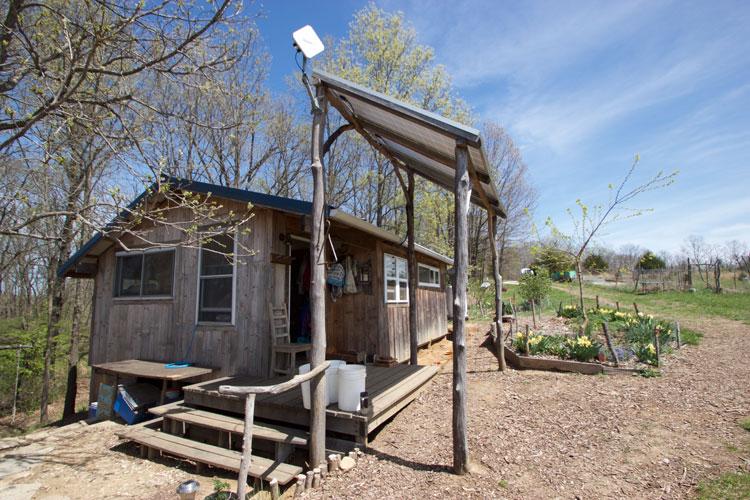
Building a life away from public utilities and modern conveniences requires a broad set of off-grid self-reliance skills. Whether you’re planning to live off the land permanently or simply want to be more independent, mastering these abilities is essential for comfort, safety, and sustainability. From producing your own food to maintaining crucial systems, developing practical know-how helps ensure a resilient lifestyle.
Early in your journey, it’s helpful to familiarize yourself with the off-grid maintenance checklist to keep your systems and tools running smoothly. This resource can make a significant difference in your day-to-day efficiency and long-term success.
Core Survival Skills for Off-Grid Living
At the heart of any independent lifestyle are the basic survival skills that keep you safe and healthy. These foundational abilities form the backbone of living without external support.
- Water sourcing and purification: Knowing how to find, collect, and purify water is non-negotiable. This includes rainwater harvesting, well maintenance, and filtration methods.
- Fire making: The ability to start and maintain a fire is crucial for warmth, cooking, and even sterilizing water.
- First aid: Basic medical knowledge, including wound care and emergency response, is vital when professional help is far away.
- Navigation and signaling: Understanding how to use maps, compasses, and natural landmarks can be lifesaving in remote areas.
Investing time in these core skills lays a strong foundation for more advanced self-sufficiency.
Food Production and Preservation Techniques
One of the most empowering aspects of off-grid life is producing your own food. Developing off-grid self-reliance skills in gardening, animal husbandry, and food storage ensures a steady, nutritious supply year-round.
Growing Your Own Food
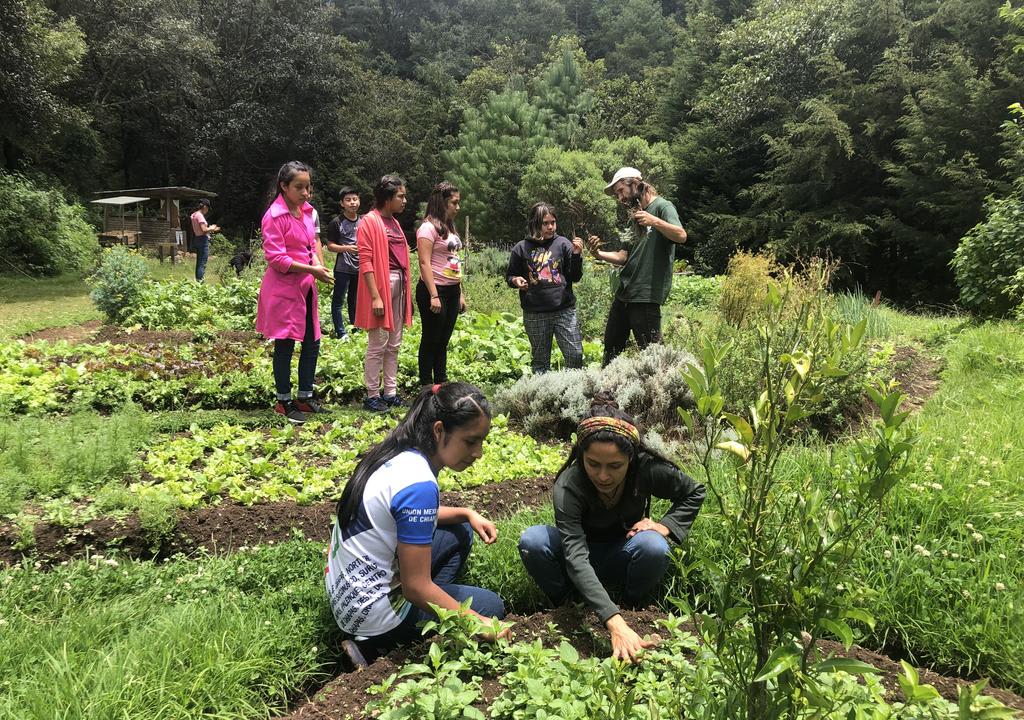
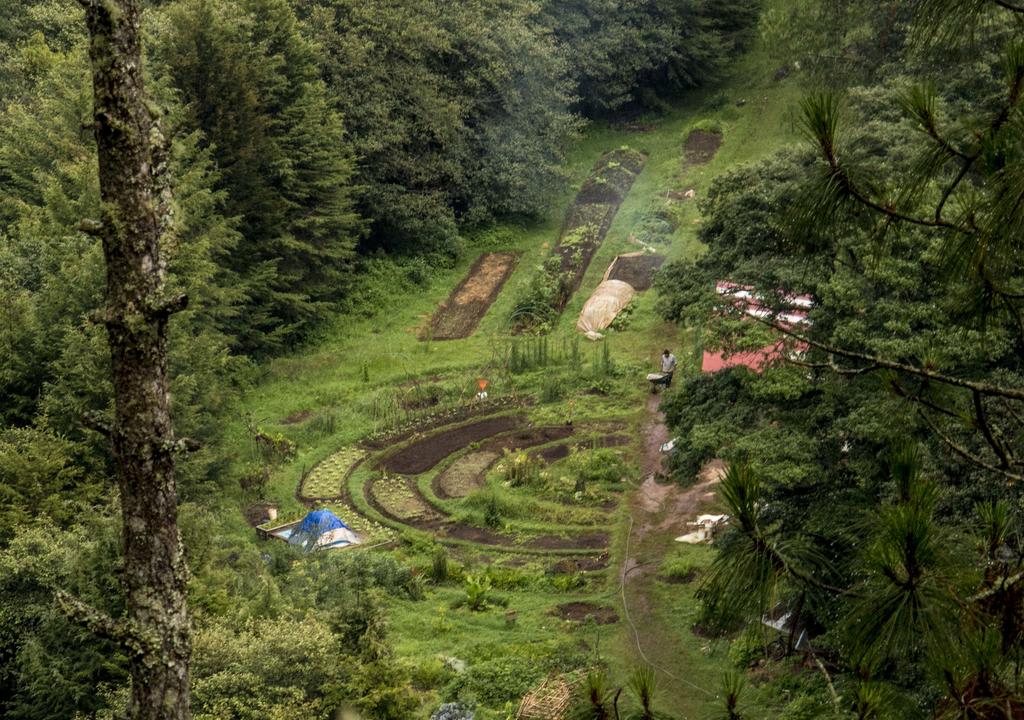
Gardening is a cornerstone of self-sufficiency. Start by learning about soil health, composting, and crop rotation. Raised beds can make gardening more manageable and productive, especially in challenging climates. For those new to growing food, consider starting with hardy vegetables and gradually expanding your garden as your skills improve.
For more tips on the tools you’ll need, check out this guide on essential tools for off-grid living.
Animal Husbandry
Raising chickens, goats, or rabbits provides a reliable source of protein and other resources. Learn about animal care, shelter construction, and rotational grazing to keep your livestock healthy and productive. Upgrading your chicken coop with features like automatic doors can save time and protect your flock.
Food Preservation
To ensure food security throughout the year, master preservation techniques such as canning, dehydrating, fermenting, and root cellaring. These methods allow you to store surplus harvests and reduce waste, making your food supply more resilient.
Energy Independence and Power Management
Reliable energy is a key part of any off-grid homestead. Developing skills in alternative energy systems and power conservation helps reduce reliance on fossil fuels and keeps essential devices running.
- Solar power: Learn to install, maintain, and troubleshoot solar panels and battery banks.
- Wind and micro-hydro: In some locations, wind turbines or micro-hydro generators can supplement solar energy.
- Efficient energy use: Understand how to prioritize loads, use energy-efficient appliances, and manage power consumption.
For more information on keeping your systems in top shape, refer to the off-grid maintenance checklist.
Building and Shelter Maintenance Skills
Constructing and maintaining sturdy, weatherproof shelters is essential for comfort and safety. Skills in carpentry, masonry, and basic construction allow you to build, repair, and insulate living spaces effectively.
Proper insulation is critical for temperature control and energy efficiency. For a deeper dive into materials and methods, see the article on insulation for off-grid living.
DIY Repairs and Projects
The ability to handle repairs and build new structures is invaluable. Familiarize yourself with DIY off-grid projects to expand your capabilities and adapt your homestead to changing needs.
Having the right hand tools is just as important as knowing how to use them. Explore recommendations for hand tools for homesteaders to round out your toolkit.
Resource Management and Waste Reduction
Managing resources wisely is a hallmark of sustainable off-grid living. This includes efficient use of water, energy, and materials, as well as minimizing waste through composting, recycling, and creative reuse.
- Composting: Turn kitchen scraps and yard waste into valuable soil amendments.
- Greywater systems: Reuse water from sinks and showers for irrigation.
- Minimal waste: Repair, repurpose, and recycle materials whenever possible to reduce your ecological footprint.
Adopting these practices not only conserves resources but also reduces the need for outside supplies.
Learning and Community Connections
No one masters every skill overnight. Continuous learning is part of the journey. Connect with other homesteaders, attend workshops, and read trusted resources to expand your knowledge. For a broader perspective, explore this comprehensive guide to off-grid living for additional insights and inspiration.
FAQ: Off-Grid Self-Sufficiency
What are the most important skills to learn first for off-grid independence?
Focus initially on water sourcing and purification, basic gardening, fire making, and first aid. These core abilities address immediate needs and lay the groundwork for more advanced skills.
How can I make my off-grid food supply more reliable?
Diversify your food sources by combining gardening, livestock, and foraging. Learn food preservation methods to store surplus harvests, and rotate crops and animals to maintain soil and animal health.
What tools are essential for maintaining an off-grid homestead?
Basic hand tools such as axes, saws, shovels, and wrenches are indispensable. For a detailed list, refer to the essential tools for off-grid living resource.
How do I keep my energy systems running smoothly?
Regular inspection and maintenance are key. Follow a routine like the off-grid maintenance checklist to catch issues early and extend the life of your systems.