The idea of embracing a rural off-grid lifestyle has captured the imagination of many seeking a simpler, more self-sufficient way of living. Moving away from the conveniences of urban and suburban life, people are drawn to the promise of independence, sustainability, and a closer connection to nature. Yet, the reality of living off the grid in a rural setting is far more nuanced than idyllic social media posts might suggest.
Before making the leap, it’s important to understand the genuine advantages, the common challenges, and the daily realities that come with this choice. Whether you’re motivated by environmental concerns, a desire for privacy, or the need to reduce your reliance on modern infrastructure, this article will help you weigh the benefits and drawbacks of rural off-grid living.
For those interested in the psychological and emotional aspects, exploring mental health off-grid living can provide valuable insights into how this lifestyle impacts wellbeing.
Understanding the Rural Off-Grid Experience
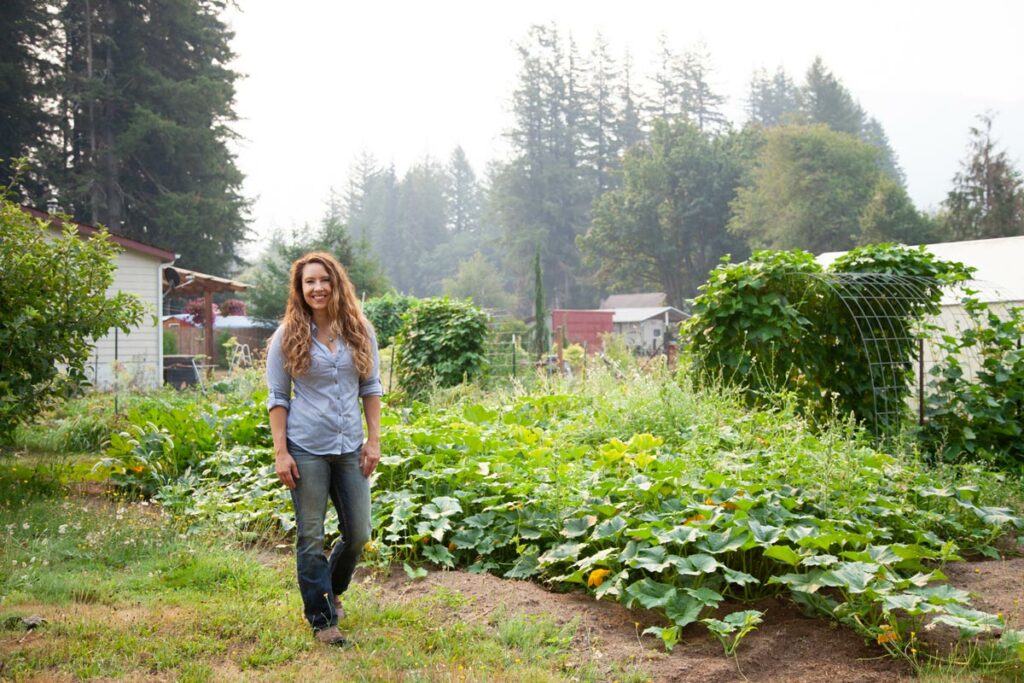
Living off the grid in a rural environment means more than just disconnecting from public utilities. It involves generating your own power, sourcing water, managing waste, and often growing your own food. This approach appeals to those who value autonomy and wish to minimize their environmental impact.
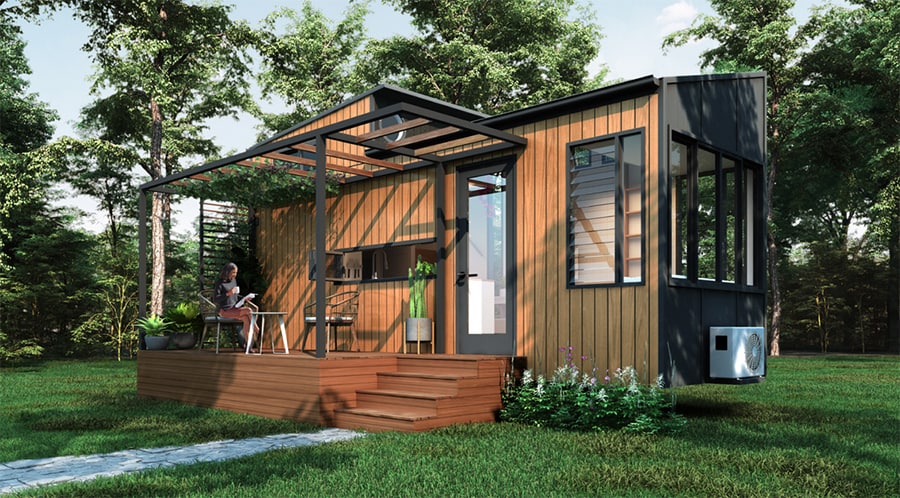
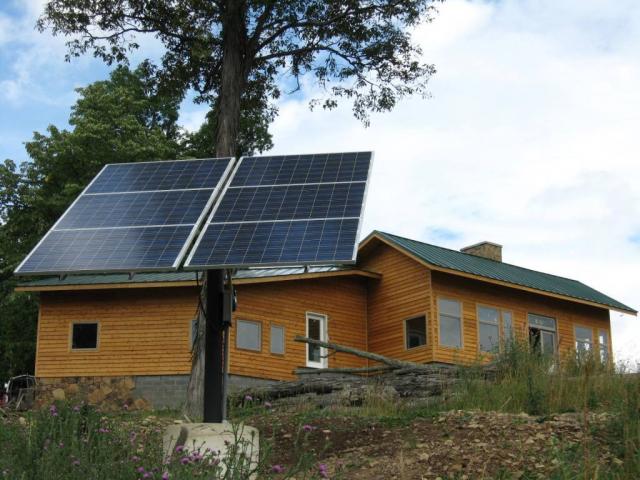
The rural off-grid lifestyle is not a one-size-fits-all solution. Some people build tiny homes powered by solar panels, while others restore old farmhouses and rely on a combination of renewable energy and traditional skills. The level of comfort and convenience varies widely depending on resources, location, and personal goals.
Key Benefits of Living Off the Grid in Rural Areas
There are several compelling reasons why individuals and families choose to pursue a more independent existence away from city life. Here are some of the most significant advantages:
- Self-Sufficiency: Generating your own electricity, collecting rainwater, and growing food fosters a sense of accomplishment and resilience.
- Lower Utility Costs: By relying on renewable energy and alternative systems, many off-grid households reduce or eliminate monthly utility bills.
- Environmental Impact: With careful planning, this lifestyle can dramatically reduce your carbon footprint. For more on this, see the guide to carbon footprint off-grid living.
- Privacy and Space: Rural properties typically offer more land and seclusion, allowing for greater freedom and tranquility.
- Connection to Nature: Daily life is closely tied to the rhythms of the land and seasons, which many find deeply rewarding.
Challenges and Drawbacks to Consider
While the rewards are real, the off-grid rural lifestyle is not without its difficulties. Many newcomers underestimate the time, effort, and expertise required to maintain a homestead without modern conveniences. Here are some of the most common obstacles:
- Initial Investment: Setting up solar panels, water systems, and sustainable infrastructure can be costly upfront.
- Maintenance Demands: Off-grid systems require regular upkeep. Solar batteries, generators, and water pumps all need attention and repairs.
- Isolation: Rural areas can be remote, making access to healthcare, supplies, and social interaction more challenging.
- Weather Dependency: Solar and wind energy systems are affected by local weather patterns, which can impact reliability.
- Learning Curve: Skills in gardening, animal care, carpentry, and troubleshooting are essential. Many find the transition overwhelming at first.
For a deeper look at overcoming these hurdles, the article on challenges of off-grid living provides practical advice and solutions.
What Daily Life Really Looks Like
The day-to-day experience of rural off-grid living is shaped by the seasons and the needs of your homestead. Tasks such as tending to livestock, maintaining gardens, chopping firewood, and monitoring energy systems become routine. Flexibility and adaptability are key traits for success.
Many who thrive in this environment find satisfaction in the rhythm of physical work and the tangible results it brings. However, there are days when things go wrong—equipment fails, crops struggle, or the weather turns unexpectedly harsh. Resilience and a willingness to learn from setbacks are crucial.
Community is another important aspect. While rural living can be isolating, many off-gridders form tight-knit networks with neighbors, sharing resources and knowledge. Stories of perseverance and adaptation are common, as highlighted in off-grid living success stories.
Is the Rural Off-Grid Lifestyle Right for You?
Deciding whether to pursue this path depends on your goals, resources, and willingness to adapt. Some thrive on the independence and challenge, while others find the demands too great. It’s helpful to start small—perhaps with a weekend cabin or partial off-grid setup—before committing fully.
Research is essential. Resources like the comprehensive off-grid living guide from Briggs & Stratton offer detailed information on energy systems, water management, and more.
Building resilience is key. For more on developing the mindset and skills needed to thrive, see resilience off-grid living.
Frequently Asked Questions
What are the most important skills for rural off-grid living?
Essential skills include basic carpentry, gardening, animal husbandry, and troubleshooting renewable energy systems. The ability to adapt, learn quickly, and solve problems independently is just as important as technical know-how.
How much does it cost to set up an off-grid homestead?
Costs vary widely depending on location, property size, and the level of self-sufficiency you want. Major expenses include land, solar or wind power systems, water collection and filtration, and building materials. While the initial investment can be significant, many find that ongoing expenses are lower than traditional living.
Is rural off-grid living suitable for families?
Many families successfully make the transition, but it requires careful planning and commitment from all members. Children can benefit from hands-on learning and a close connection to nature, but parents should consider access to education, healthcare, and social opportunities.
Conclusion
Choosing a rural off-grid lifestyle is a significant decision that brings both rewards and challenges. It offers the promise of independence, sustainability, and a deeper relationship with the land, but also demands hard work, adaptability, and ongoing learning. By understanding the realities and preparing thoroughly, you can decide if this path aligns with your values and aspirations.