The idea of disconnecting from public utilities and building a self-sufficient lifestyle appeals to many people seeking independence, sustainability, or a simpler way of life. However, before making the leap, it’s crucial to understand the legal aspects involved. The question of can you live off-grid legally is more complex than it might seem, as regulations vary widely depending on location, land use, and the specific systems you plan to install.
This article explores the key legal considerations for those interested in off-grid living, including zoning, building codes, water rights, waste disposal, and utility disconnection. We’ll also provide practical tips and resources to help you navigate the process and avoid common pitfalls. For those just starting out, reviewing an off-grid homestead startup timeline can provide valuable context for planning your journey.
Understanding Off-Grid Living and Legal Definitions
Living off-grid typically means residing in a home that is not connected to municipal water, sewer, gas, or electrical systems. Instead, residents generate their own power, manage water sourcing and waste, and often grow some of their own food. While the concept is straightforward, the legal framework surrounding it is not. Local, state, and federal laws all play a role in determining what is allowed on your property.
The legality of disconnecting from public utilities depends on several factors:
- Zoning laws that dictate land use and permitted structures
- Building codes that set minimum standards for safety and habitability
- Health and sanitation regulations regarding water, waste, and sewage
- Utility easements or requirements for minimum services
Key Legal Barriers to Off-Grid Homesteading
Many people are surprised to learn that some regions make it difficult or even illegal to fully disconnect from public utilities. Here are the most common legal hurdles:
Zoning and Land Use Restrictions
Zoning ordinances determine how land can be used within a given area. Some zones are designated for agriculture, others for residential, commercial, or industrial purposes. In many rural areas, zoning is more flexible, making it easier to pursue an off-grid lifestyle. However, in suburban or urban locations, restrictions may prohibit alternative structures like tiny homes, yurts, or earthships.
It’s essential to research local zoning maps and consult with your county or city planning office before purchasing land or starting construction. Some municipalities require a minimum square footage for dwellings or prohibit composting toilets and greywater systems.
Building Codes and Permitting
Building codes exist to ensure safety and structural integrity. While these regulations are important, they can sometimes conflict with off-grid construction methods. For example, codes may require homes to be connected to the electrical grid or mandate specific plumbing and septic systems.
In some areas, alternative building techniques—such as straw bale, cob, or earthbag construction—may not be recognized by local inspectors. Obtaining permits for off-grid systems often requires detailed plans and, in some cases, approval from multiple agencies.
Water Rights and Access
Securing a reliable water source is one of the most critical aspects of self-sufficient living. Laws regarding water collection and use vary greatly. In some states, rainwater harvesting is encouraged, while in others, it is restricted or even prohibited. Drilling a well typically requires a permit and must comply with local groundwater management rules.
For more details on how much property you might need, see this guide on how much land needed for off-grid homestead.
Waste Management and Sanitation Laws
Proper waste disposal is a major concern for health departments. Many counties require homes to be connected to a municipal sewer or an approved septic system. Composting toilets and greywater recycling are not always permitted, especially in more regulated areas. Before installing alternative waste systems, check with your local health department for approved options.
Disconnecting from the Power Grid
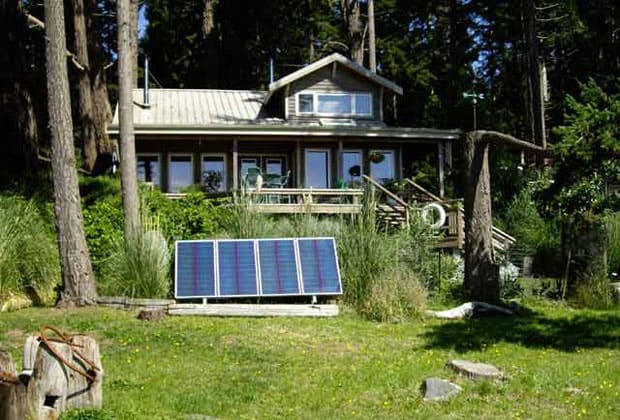
While generating your own electricity with solar panels, wind turbines, or generators is legal in most places, some jurisdictions require that homes remain connected to the electrical grid, even if you do not use it. This is often the case in areas with strict building codes or where utility companies have significant influence.
If you plan to go completely off-grid, be prepared to demonstrate that your alternative energy system meets all safety and code requirements. In some cases, you may need to hire a licensed electrician or submit your plans for approval.

How to Research Local Laws Before Going Off-Grid
The first step is to contact your local planning and zoning office. Ask for information on:
- Permitted land uses and minimum lot sizes
- Building code requirements for alternative structures
- Water rights, well drilling, and rainwater collection policies
- Approved waste disposal systems
- Any mandatory utility connection ordinances
It’s also wise to speak with neighbors who have already established off-grid homes. They can provide firsthand experience and tips for navigating the permitting process. Online communities and resources, such as this comprehensive guide to off-grid homesteading legalities, offer additional insights and up-to-date information.
States and Regions More Friendly to Off-Grid Living
Some states are known for being more accommodating to alternative lifestyles. Generally, rural counties in the western United States, parts of the Midwest, and some areas in the Southeast offer fewer restrictions and more flexible building codes. States like Arizona, New Mexico, Colorado, and Alaska are often cited as off-grid havens, but even within these states, regulations can vary by county.
Always verify the latest local ordinances before making decisions. For those considering unique environments, such as arid regions, check out tips for off-grid homesteading in deserts.
Practical Tips for Navigating Legal Challenges
- Start your research early and document all communications with officials.
- Consider hiring a local attorney or consultant familiar with rural land use laws.
- Be prepared to compromise on certain systems to meet code requirements.
- Join local homesteading groups for support and advice.
- Keep up-to-date with changes in state and county regulations.
If you plan to work remotely while living off-grid, explore resources on remote work off-grid to ensure you stay connected and compliant with any relevant regulations.
FAQ: Legal Off-Grid Living
Is it illegal to live off the grid in the United States?
No, it is not illegal at the federal level, but local and state laws can make it challenging. Most legal issues arise from zoning, building codes, and utility requirements. Researching your specific area is essential.
Can you disconnect from all public utilities legally?
In some areas, yes, but many jurisdictions require at least partial connection to certain utilities, such as electricity or water. Always check with your local authorities before disconnecting.
What are the most common legal issues faced by off-grid homesteaders?
The most frequent challenges include obtaining permits for alternative building methods, securing legal water access, and meeting waste disposal regulations. Zoning restrictions and mandatory utility connections are also common hurdles.
Where can I find more information about disaster preparedness for off-grid living?
For guidance on staying safe and prepared, see the disaster preparedness off-grid guide.
Navigating the legal landscape of off-grid living requires careful planning, patience, and a willingness to adapt. By understanding the rules and working within them, you can build a rewarding and sustainable lifestyle that aligns with your values.