Living away from the grid means adapting daily routines, especially when it comes to meal preparation. For those who choose or need to prepare food without access to modern power sources, understanding alternative techniques is essential. Whether you’re homesteading, camping, or preparing for emergencies, learning reliable ways to cook without electricity off-grid can make a significant difference in both comfort and nutrition.
This guide explores proven methods for preparing meals in remote settings, including traditional tools, fuel sources, and safety considerations. If you’re interested in broader self-sufficiency topics, you might also find value in our off-grid hygiene tips for maintaining health and cleanliness in similar environments.

Essential Tools and Equipment for Off-Grid Cooking
Before exploring specific techniques, it’s important to have the right gear. The following items are commonly used for meal preparation in locations without electrical power:
- Cast iron cookware: Durable and versatile, suitable for open flames and coals.
- Dutch ovens: Excellent for baking, roasting, and stews over campfires or hot coals.
- Portable stoves: Propane, butane, or alcohol stoves are compact and efficient.
- Solar ovens: Harness the sun’s energy for slow-cooking and baking.
- Fireproof gloves and utensils: For safe handling of hot cookware and open flames.
Investing in high-quality, multi-purpose equipment ensures you can adapt to various cooking methods and fuel sources.
Fire-Based Cooking Techniques
The most traditional way to cook off the grid is by using fire. Mastering fire-based methods is fundamental for anyone seeking to prepare meals without electricity.
Open Fire Cooking
Cooking directly over an open flame is one of the oldest and most reliable approaches. Use a fire ring or pit to contain the flames, and a grill grate or tripod to suspend pots and pans. Always build fires in designated areas and monitor them closely for safety.
- Grilling: Place food directly on a grate over hot coals or flames.
- Roasting: Skewer meats or vegetables and rotate them over the fire for even cooking.
- Boiling and simmering: Suspend a pot over the fire using a tripod or set it on a stable bed of coals.
Cooking with Hot Coals
Once a fire has burned down, the remaining coals provide steady, even heat. Dutch ovens and cast iron pans work especially well for this method. Burying food in foil packets under the coals is another effective technique for slow-cooking meats and root vegetables.
Alternative Fuel Sources for Off-Grid Meal Preparation
Not every situation allows for an open fire. Weather, fire bans, or resource limitations may require alternative solutions. Here are some reliable options for cooking without electricity off-grid:
- Propane and Butane Stoves: Portable and easy to use, these stoves are ideal for quick meals and boiling water. Always use them in well-ventilated areas to prevent carbon monoxide buildup.
- Wood-Burning Rocket Stoves: Highly efficient, rocket stoves use small amounts of wood or biomass to generate intense heat with minimal smoke.
- Alcohol Stoves: Lightweight and simple, these are popular among backpackers and emergency preppers.
- Solar Ovens: These devices use reflective panels to concentrate sunlight, making them perfect for baking, slow-cooking, and dehydrating foods on sunny days.
Preserving and Preparing Ingredients Off the Grid
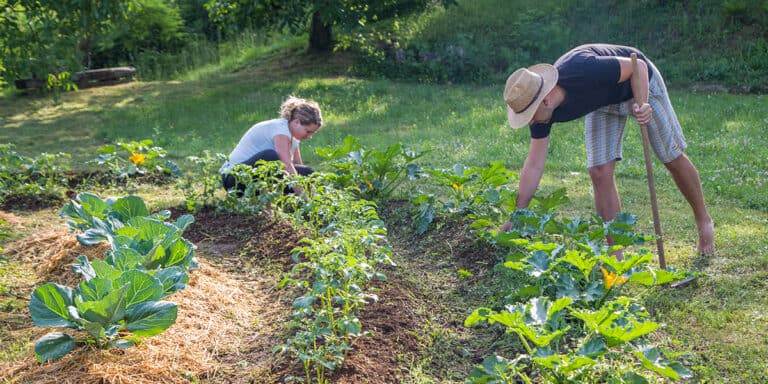
When living remotely, having access to fresh ingredients can be a challenge. Many off-grid cooks rely on homegrown produce, preserved foods, and creative storage solutions. For advice on maximizing your harvest, see our detailed guide on off-grid vegetable garden layout to plan and maintain a productive garden.
Common preservation methods include:
- Canning: Safely stores fruits, vegetables, and meats for months.
- Dehydrating: Removes moisture to extend shelf life; can be done with solar dehydrators.
- Fermenting: Produces nutritious, probiotic-rich foods like sauerkraut and kimchi.
- Root cellaring: Uses cool, dark spaces to keep produce fresh without refrigeration.
Safety Considerations for Off-Grid Cooking
Cooking with open flames, hot coals, or alternative fuels requires careful attention to safety. Here are some essential tips:
- Always keep a bucket of water, sand, or a fire extinguisher nearby when using fire.
- Set up cooking areas away from flammable materials, including tents and dry vegetation.
- Ventilate indoor spaces when using propane, butane, or alcohol stoves to prevent carbon monoxide buildup.
- Monitor children and pets around cooking areas.
- Never leave fires or stoves unattended.
Meal Ideas and Recipe Inspiration
Simple, hearty meals are often the most practical when preparing food off the grid. Here are a few ideas to get started:
- One-pot stews: Combine beans, grains, and vegetables in a Dutch oven over coals.
- Foil packet meals: Wrap meat, potatoes, and seasonings in foil and cook in hot coals.
- Grilled flatbreads: Mix flour, water, and salt, then cook on a hot skillet or stone.
- Solar-baked casseroles: Layer vegetables, cheese, and cooked grains in a solar oven for a slow-cooked meal.
Learning from Experienced Off-Grid Cooks
Many homesteaders and off-grid enthusiasts have shared their experiences and tips for thriving without modern conveniences. For a deeper look at the realities of remote living, check out this comprehensive overview of off-grid homesteading essentials from seasoned practitioners.
If you’re interested in expanding your skills beyond the kitchen, our resources on growing food off-grid and off-grid livestock care offer practical advice for producing and managing your own food supply.
Frequently Asked Questions
What is the safest way to cook indoors without electricity?
The safest indoor options are propane or butane stoves designed for indoor use, but always ensure proper ventilation. Never use open fires or charcoal indoors, as they produce dangerous carbon monoxide.
Can I bake bread without an electric oven?
Yes, you can bake bread using a Dutch oven over hot coals, in a solar oven, or even on a well-heated stone over a fire. These methods require some practice but yield excellent results.
How do I store food safely off the grid?
Use canning, dehydrating, and fermenting to preserve food. Root cellars and cool, shaded storage areas are also effective for keeping produce fresh. Always follow safe food handling and preservation guidelines.
Are there sustainable ways to fuel off-grid cooking?
Yes, using wood from managed sources, biomass, and solar energy are all sustainable options. Rocket stoves and solar ovens are particularly efficient and environmentally friendly.
Mastering the art of preparing meals without modern conveniences is a valuable skill for anyone seeking resilience and self-sufficiency. With the right tools, methods, and mindset, you can enjoy delicious, nourishing food no matter where you live.