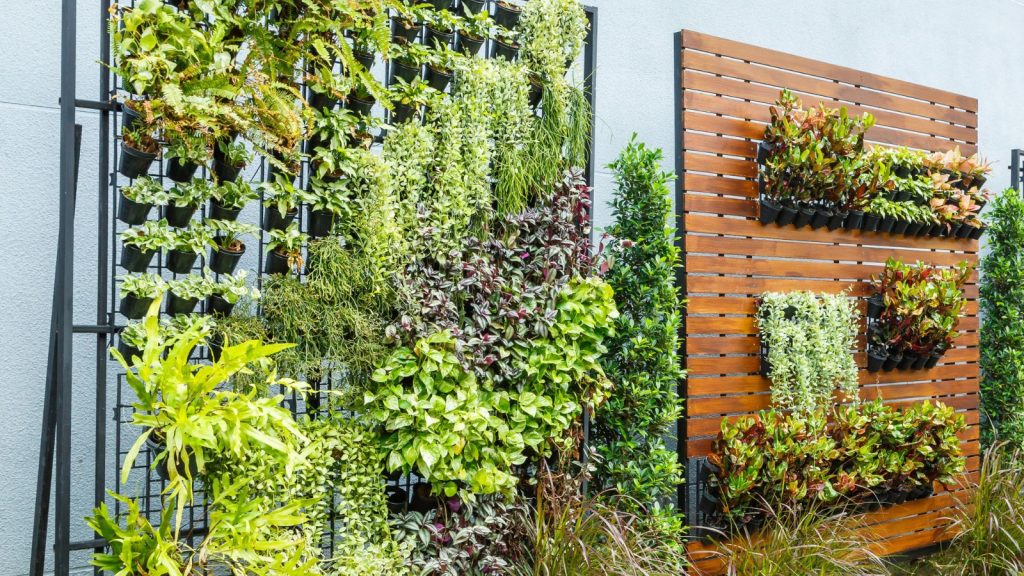
Urban gardening and small-scale homesteading are on the rise, but limited space can make it challenging to provide consistent food and water for plants, birds, or small animals. Learning how to make DIY feeders is a practical way to maximize productivity and convenience, even in compact environments. Whether you have a balcony, a tiny backyard, or just a windowsill, homemade feeders can help you nurture your plants or attract helpful wildlife without cluttering your space.
In this guide, you’ll discover a range of creative feeder ideas, step-by-step instructions, and tips for choosing materials that fit your needs. We’ll also touch on the benefits of self-sufficiency and resourcefulness, principles at the heart of homesteading culture. For those interested in expanding their self-reliant skills, you might also find the modern homesteading fencing guide helpful as you plan your space.
Benefits of Homemade Feeders in Compact Areas
Making your own feeders offers several advantages, especially for those working with limited square footage:
- Space efficiency: Custom designs can be tailored to fit tight corners, railings, or vertical surfaces.
- Cost savings: Many projects use recycled or inexpensive materials, reducing the need for store-bought solutions.
- Customization: DIY options allow you to adjust size, shape, and function to suit your specific plants or animals.
- Encourages sustainability: Repurposing containers and minimizing waste aligns with eco-friendly and homesteading values.
By learning how to make DIY feeders, you can support your garden, attract pollinators, or care for pets without sacrificing valuable space.
Choosing the Right Feeder Design for Your Needs
Before gathering materials, consider what you want your feeder to accomplish. Are you looking to:
- Provide water or nutrients to container plants?
- Attract birds or beneficial insects?
- Feed small pets like rabbits or chickens?
Each goal may require a different approach. For example, a gravity-fed waterer is ideal for plants, while a seed dispenser works best for birds. Think about where the feeder will be placed—on a balcony railing, hung from a wall, or tucked into a garden bed—and measure the available space.
Materials for Building Feeders in Small Spaces
One of the best aspects of DIY projects is the ability to use what you have on hand. Common materials for compact feeder projects include:
- Plastic bottles or jugs
- Mason jars
- Small buckets or food containers
- Wire, string, or zip ties for hanging
- Wood scraps or bamboo
- Clay pots
Choose materials that are safe for food or water contact, especially if you’re feeding animals or edible plants. Clean all containers thoroughly before use.

Step-by-Step: Simple DIY Gravity Water Feeder
One of the most practical solutions for small gardens or balcony planters is a gravity-fed waterer. Here’s how to make one using a plastic bottle:
- Clean a plastic bottle (1–2 liters works well).
- Poke 2–3 small holes near the cap using a heated nail or sharp tool.
- Fill the bottle with water.
- Quickly invert the bottle and push the cap end into the soil near your plants. The water will slowly seep out, keeping the soil moist.
This method helps prevent overwatering and is ideal for busy gardeners or those who travel frequently.
DIY Bird Feeders for Urban Gardens
Attracting birds to your space can help with pollination and pest control. Here’s a quick guide to crafting a compact bird feeder:
- Take a clean, empty plastic bottle.
- Cut two small holes near the base and insert wooden spoons or dowels through each side to create perches.
- Above each perch, cut a small hole for seeds to spill onto the spoon.
- Fill the bottle with birdseed, screw the cap back on, and hang it from a railing or tree branch using string or wire.
Be sure to place your feeder in a spot that’s easy to access for refilling and cleaning.
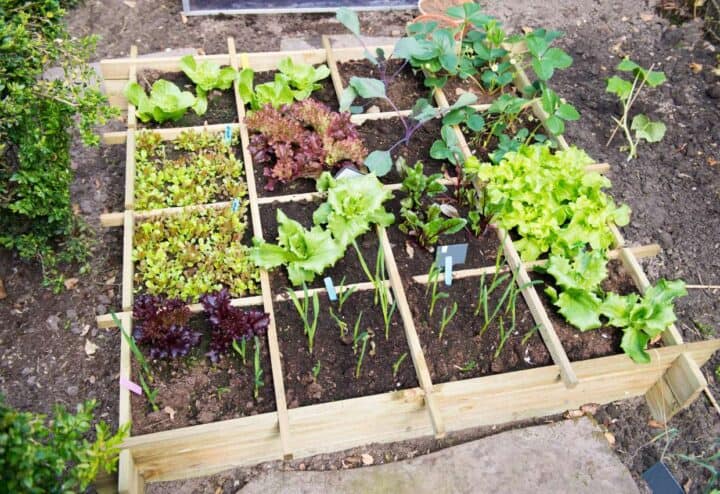
Creative Ideas for Vertical and Hanging Feeders
When floor space is scarce, vertical and hanging solutions can make a big difference. Here are a few ideas:
- Vertical bottle planters: Cut openings in the sides of large bottles, fill with soil, and plant herbs or greens. Attach bottles to a fence or wall for a living food dispenser.
- Hanging jar feeders: Use mason jars with holes in the lids to dispense seeds or water. Suspend them from hooks or railing brackets.
- Stacked tray feeders: Repurpose old baking trays or shallow containers, stacking them with spacers to create multi-level feeding stations for birds or insects.
These approaches not only save space but also add visual interest to your garden or balcony.
Maintenance and Safety Tips for Homemade Feeders
To keep your feeders functional and safe:
- Clean all feeders regularly to prevent mold, algae, or disease.
- Check for sharp edges or loose parts that could harm wildlife or pets.
- Use food-safe materials, especially for waterers or edible plants.
- Monitor for pests and adjust placement if needed.
Proper maintenance ensures your DIY solutions remain effective and safe for all users.
Integrating Feeders into a Small Homestead
Homemade feeders can be a key part of an efficient, productive homestead, even in urban or suburban settings. Pairing feeders with other space-saving strategies—like container gardening, vertical planters, and compact fencing—can help you get the most from your available area. For more inspiration, explore modern homesteading herbal garden ideas and other resources on maximizing small spaces.
Frequently Asked Questions
What are the best materials for making feeders in limited spaces?
Plastic bottles, mason jars, small buckets, and food-safe containers are all excellent choices. They are lightweight, easy to clean, and can be adapted for various uses. Always ensure materials are safe for food or water contact, especially for edible plants or animals.
How often should I clean my homemade feeders?
Regular cleaning is essential. For waterers, clean every few days to prevent algae and bacteria. Bird and animal feeders should be emptied and washed at least once a week, or more often if you notice mold or spoiled food.
Can I use these feeder designs for both plants and animals?
Many designs can be adapted for multiple purposes. Gravity waterers work well for both container plants and small pets, while seed dispensers can attract birds or feed chickens and rabbits. Always tailor the size and materials to the intended user for best results.
Conclusion
Learning how to make DIY feeders empowers you to care for your plants, attract helpful wildlife, and make the most of every inch of your growing space. With a little creativity and some basic materials, you can build effective, space-saving solutions that support your gardening or homesteading goals. For more tips on self-sufficiency and smart use of space, check out guides like modern homesteading budgeting tips and continue exploring new ways to enhance your small homestead.