Embracing modern homesteading on a budget is about finding practical ways to live more sustainably and self-sufficiently without overspending. Whether you’re dreaming of a backyard garden, raising chickens, or simply reducing your reliance on store-bought goods, it’s possible to start small and grow your skills without a hefty investment. This approach focuses on resourcefulness, creativity, and making the most of what you already have.
Many people believe that starting a homestead requires significant land or a large financial outlay. In reality, you can begin your journey toward a more independent lifestyle right where you are, even with limited space and funds. By prioritizing essential projects, learning new skills, and leveraging community resources, you can gradually build a rewarding and cost-effective homestead.

If you’re interested in growing your own food, the modern homesteading gardening guide offers practical tips for beginners and experienced gardeners alike.
Getting Started with Frugal Homesteading
The first step toward affordable self-reliance is to assess your current resources. Take stock of your available space, tools, and skills. Even a small balcony or backyard can become productive with the right approach. Focus on projects that deliver the greatest value for your effort and investment.
- Grow your own food: Start with easy crops like herbs, lettuce, or tomatoes. Container gardening is a low-cost way to begin, requiring only pots, soil, and seeds.
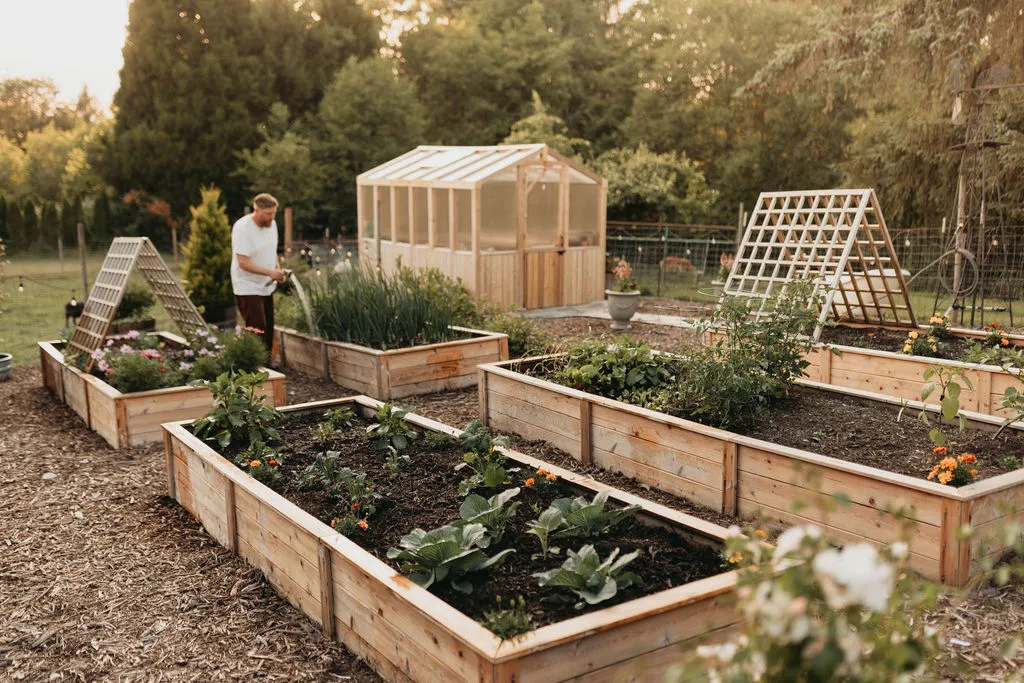
- DIY projects: Repurpose materials for raised beds, compost bins, or chicken coops. Look for free or low-cost supplies through local classifieds or community groups.
- Learn essential skills: Cooking from scratch, basic carpentry, and food preservation can save money and increase your independence.
Smart Strategies for Modern Homesteading on a Budget
To keep costs low, prioritize projects that offer the highest return. Focus on food production, energy savings, and reducing waste. Here are some proven strategies:
- Start small and scale up: Avoid the temptation to do everything at once. Begin with one or two manageable projects, such as a small vegetable patch or a compost pile. As you gain experience, you can expand your efforts.
- Barter and trade: Connect with neighbors or local groups to exchange seeds, tools, or labor. This not only saves money but also builds a supportive community.
- Use free or recycled materials: Pallets, old windows, and discarded containers can be transformed into useful structures or planters. Always check for safety and suitability before repurposing items.
- Educate yourself: Take advantage of free online resources, library books, and community workshops. The more you learn, the less you’ll need to spend on outside help.
Budget-Friendly Food Production
One of the most rewarding aspects of affordable homesteading is growing your own food. Even on a tight budget, you can produce a surprising amount with careful planning.
- Seed saving: Collect seeds from your healthiest plants to use next season. This reduces the need to buy new seeds each year.
- Composting: Turn kitchen scraps and yard waste into nutrient-rich soil. Composting reduces landfill waste and improves your garden’s productivity.
- Vertical gardening: Maximize small spaces by growing plants upward on trellises or shelves.
- Preserving the harvest: Learn simple techniques like canning, freezing, or dehydrating to extend the shelf life of your produce.
For more inspiration on integrating these practices into your daily routine, see the modern homesteading practices resource.
Affordable Livestock and Animal Care
Raising animals can be part of a cost-effective homestead, but it’s important to start small and plan carefully. Chickens, for example, are a popular choice for beginners because they provide eggs, help control pests, and produce manure for compost.
- Start with a small flock: Three to six hens are manageable and provide a steady supply of eggs.
- Build your own coop: Use salvaged wood and hardware to construct a safe shelter.
- Feed wisely: Supplement commercial feed with kitchen scraps and garden greens to lower costs.
Other animals, like rabbits or ducks, can also be raised inexpensively with proper planning. Always check local regulations before adding livestock to your property.
Community Resources and Support
One of the best ways to stretch your homesteading budget is to tap into local and online communities. Many people are eager to share advice, swap materials, or lend a helping hand.
- Join local gardening or homesteading groups: These organizations often host seed swaps, tool libraries, and educational events.
- Attend workshops or classes: Many community centers offer free or low-cost sessions on gardening, food preservation, and other homesteading skills.
- Explore online forums and social media: Connect with others who share your interests and learn from their experiences.
For a deeper understanding of the principles and history behind this lifestyle, check out this comprehensive overview of homesteading.
Maximizing Savings with DIY and Upcycling
A key aspect of modern homesteading on a budget is making the most of what you have. Upcycling and do-it-yourself projects can save money and reduce waste. Consider these ideas:
- Rainwater collection: Set up barrels to harvest rainwater for your garden. This reduces your water bill and conserves a valuable resource.
- Homemade cleaning products: Use simple ingredients like vinegar and baking soda to create effective, non-toxic cleaners.
- Repair and maintain tools: Regularly clean and sharpen your tools to extend their lifespan, avoiding unnecessary replacements.
For more inspiration, explore modern homesteading examples that showcase creative solutions from real people.
Frequently Asked Questions
What are the most cost-effective ways to start homesteading?
Begin with small-scale gardening, composting, and basic food preservation. Use recycled materials for projects and seek out free educational resources. Focus on projects that offer the greatest return, like growing vegetables or raising a few chickens.
Can I practice modern homesteading in an urban environment?
Absolutely. Many urban dwellers grow food in containers, keep small livestock where permitted, and use community gardens. The key is to adapt your efforts to your available space and local regulations.
How do I find free or low-cost resources for homesteading?
Look for local gardening clubs, tool libraries, and online forums. Many communities offer free seeds, compost, or workshops. Bartering with neighbors and joining local groups can also help you access materials and knowledge without spending much.
Is it possible to homestead with a full-time job?
Yes. Many people balance homesteading activities with other responsibilities by starting small and choosing manageable projects. Planning and prioritizing tasks can help you make steady progress without feeling overwhelmed.
For families interested in getting everyone involved, the modern homesteading guide for families offers tailored advice for all ages.
Conclusion
Living more sustainably and independently doesn’t have to be expensive. By starting small, using available resources, and connecting with others, you can create a thriving homestead on a modest budget. Every step you take—whether it’s planting a seed, building a compost bin, or learning a new skill—brings you closer to a more self-reliant lifestyle.
Remember, the journey toward affordable homesteading is unique for everyone. Stay flexible, keep learning, and celebrate your progress along the way.