Building a self-reliant lifestyle away from public utilities requires careful preparation and a clear understanding of what’s involved. This off-grid homestead planning guide is designed to help you navigate the essential decisions around land selection, energy independence, and water security. Whether you’re just starting to dream about a rural retreat or ready to break ground, having a practical roadmap can make the difference between a sustainable homestead and costly missteps.
Before diving into the details, it’s helpful to explore related topics that can further support your journey. For example, understanding fencing strategies is crucial for protecting your property and livestock. The modern homesteading fencing guide offers practical advice on choosing and installing the right barriers for your land.
Choosing the Right Land for Your Homestead
The foundation of any successful off-grid setup is the land itself. When evaluating properties, consider factors such as soil quality, access to water, sunlight exposure, and local climate. The size of your parcel will influence what you can realistically achieve—whether you want to raise animals, grow crops, or simply enjoy privacy.
- Soil and Topography: Fertile, well-drained soil is essential for gardening and livestock. Avoid flood-prone areas or steep slopes that complicate building and farming.
- Water Access: Natural springs, creeks, or the ability to drill a well are invaluable. Reliable water is non-negotiable for daily living and food production.
- Sunlight and Wind: Adequate sunlight is necessary for solar power and gardening. Open areas may also be suitable for wind turbines if you plan to harness wind energy.
- Legal Considerations: Check zoning laws and building codes. Some regions restrict off-grid living or require permits for alternative energy and water systems.
Powering Your Off-Grid Lifestyle
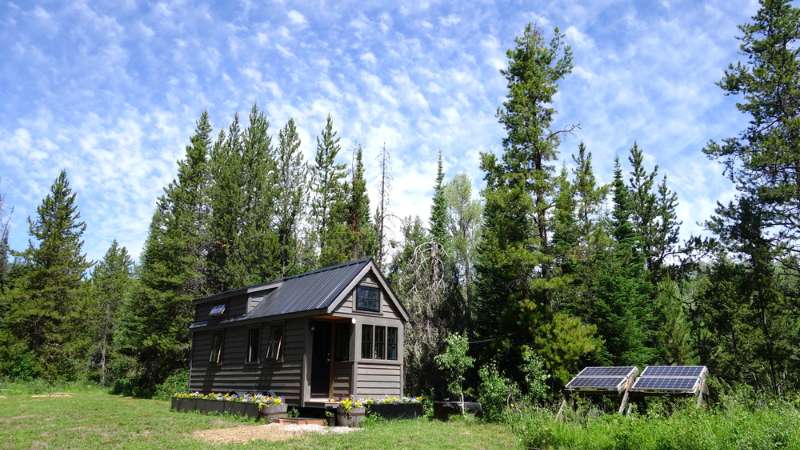
Achieving energy independence is a core part of any off-grid homestead planning guide. The right power system depends on your location, budget, and energy needs. Most homesteaders rely on a combination of solar, wind, and sometimes micro-hydro systems.
Solar Power
Solar panels are the most popular choice for generating electricity in remote areas. They’re reliable, scalable, and require minimal maintenance. A typical setup includes panels, a charge controller, batteries for storage, and an inverter to convert DC to AC power.
- Assess your average daily energy use before sizing your system.
- Install panels in a location with maximum sun exposure year-round.
- Consider backup generators for extended cloudy periods or emergencies.
Wind and Hydro Options
If your property experiences consistent wind or has a flowing water source, wind turbines and micro-hydro generators can supplement or even replace solar. These systems can provide power when solar output is low, especially in winter.
For a comprehensive breakdown of essential equipment and setup tips, the off-grid living essentials guide offers detailed advice on evaluating and installing renewable energy systems.
Water Security and Management
Water is the backbone of any homestead. Securing a reliable supply is a top priority in your planning process. There are several ways to ensure you have enough for drinking, irrigation, and livestock.
- Wells: Drilling a well is a common solution, but it requires an upfront investment and ongoing maintenance. Test water quality regularly.
- Rainwater Harvesting: Collecting rain from roofs and storing it in tanks or cisterns is an effective way to supplement your supply, especially in areas with seasonal rainfall.
- Surface Water: Streams, ponds, or springs can be used, but may need filtration and treatment to ensure safety.
- Conservation: Implement low-flow fixtures, drip irrigation, and mulching to maximize efficiency and reduce waste.
Food Production and Livestock Considerations
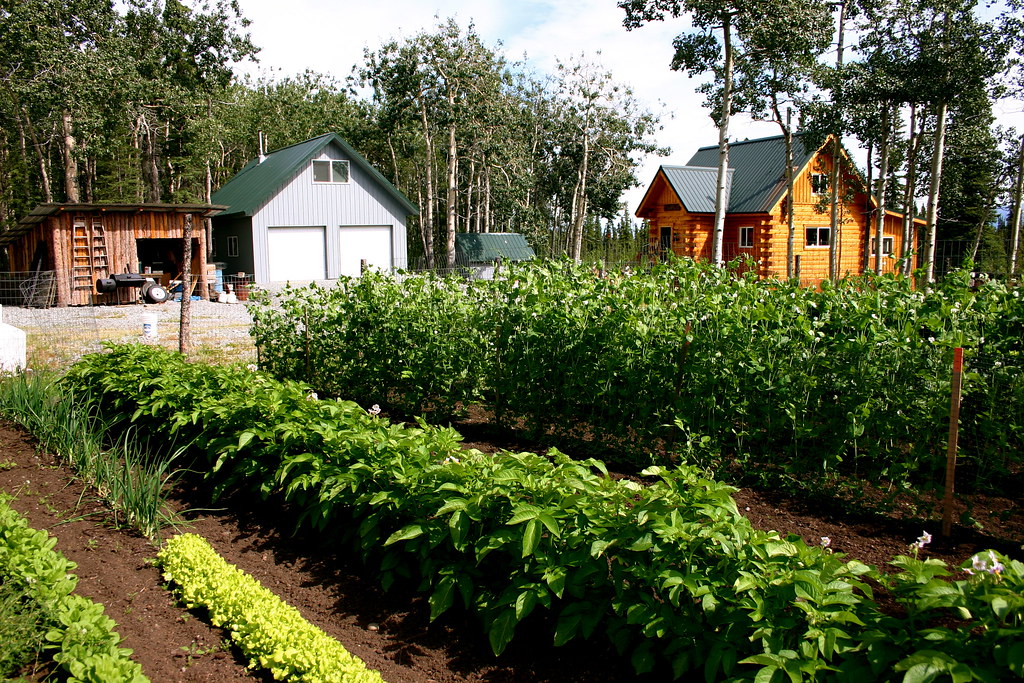
Growing your own food and raising animals are central to self-sufficiency. Plan your gardens and animal shelters with your land’s natural features in mind. Start small and expand as you gain experience.
- Choose crops suited to your climate and soil. Raised beds can improve yields and simplify maintenance.
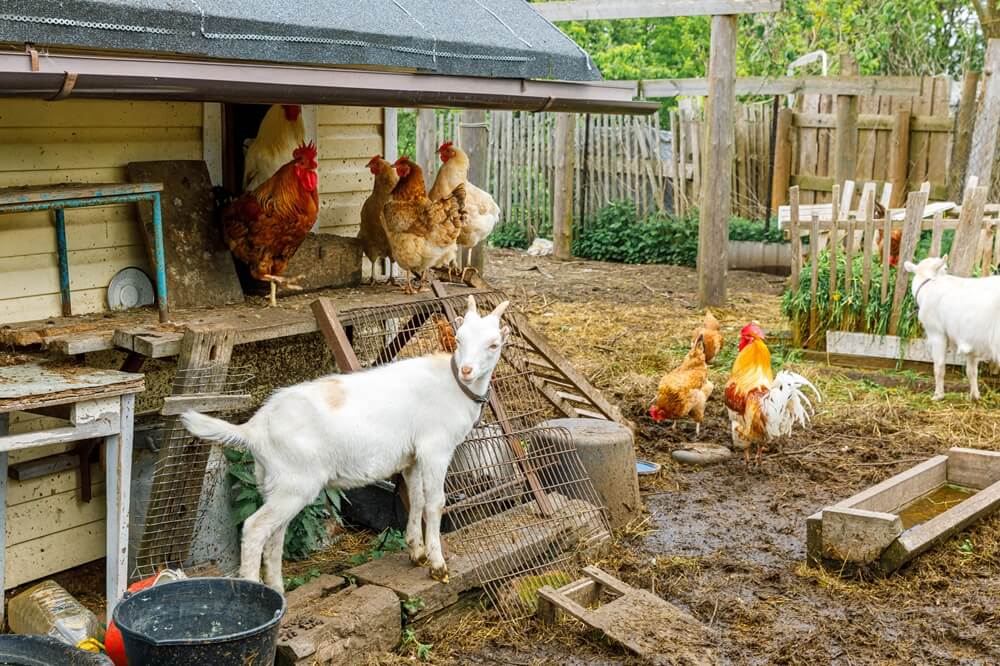
- Consider chickens, goats, or dairy cows for a steady supply of eggs, milk, and meat. For more on small-scale dairy, see the modern homesteading backyard dairy basics guide.
- Protect gardens and animals with secure fencing and shelters.
Budgeting and Avoiding Common Pitfalls
Financial planning is often overlooked in the excitement of going off-grid. Track all expenses, from land purchase to infrastructure and ongoing maintenance. Unexpected costs can arise, so build a buffer into your budget.
- Research local property taxes and insurance requirements.
- Factor in the cost of tools, materials, and professional help for complex installations.
- Learn from others’ experiences—review the modern homesteading beginner mistakes to avoid common errors that can derail your project.
Staying organized and realistic about your goals will help you create a homestead that’s both functional and enjoyable for years to come.
Frequently Asked Questions
How much land do I need for an off-grid homestead?
The ideal acreage depends on your goals. Many find that 2–5 acres is sufficient for a small family, garden, and a few animals. If you plan to grow most of your own food or raise larger livestock, 10 acres or more may be preferable. Evaluate your needs for privacy, expansion, and natural resources before deciding.
What is the best way to generate power off the grid?
Solar energy is the most common choice due to its reliability and decreasing costs. However, combining solar with wind or micro-hydro can provide greater year-round consistency. Your local climate and available resources will ultimately determine the best mix for your situation.
How can I ensure a safe and reliable water supply?
Secure multiple water sources if possible—such as a well, rainwater collection, and surface water. Always test water for contaminants and install appropriate filtration or purification systems. Regular maintenance and monitoring are key to long-term water security.
Conclusion
Creating a sustainable, independent lifestyle is a rewarding challenge that starts with thoughtful planning. By carefully considering land, energy, and water, you’ll lay a solid foundation for your homestead. Continue learning and adapting as you go, and take advantage of resources like the modern homesteading budgeting tips to keep your project on track. With patience and preparation, your off-grid dream can become a reality.