Embracing a simpler, more intentional lifestyle is at the heart of modern homesteading. This approach blends traditional self-sufficiency with contemporary values, focusing on sustainability, resourcefulness, and mindful living. Whether you’re dreaming of a rural retreat or making the most of a city plot, this guide will help you navigate the essentials of homesteading in today’s world.
Many people are drawn to this lifestyle for its focus on eco-friendly practices, homegrown food, and a closer connection to nature. By adopting practical skills and making thoughtful choices, you can create a more resilient and rewarding way of life. For those interested in specialized techniques, exploring topics like modern homesteading natural building techniques can further enhance your journey toward self-reliance.

What Is Modern Homesteading?
At its core, modern homesteading is about living more sustainably and independently, regardless of where you live. Unlike traditional homesteaders who often lived off the grid, today’s practitioners blend old-fashioned skills with modern conveniences. This might mean growing your own vegetables, raising chickens, preserving food, or installing solar panels.
According to this comprehensive overview of homesteading, the movement is less about location and more about mindset. Urban, suburban, and rural dwellers alike can adopt homesteading principles, focusing on reducing waste, producing more of what they consume, and building community resilience.
Key Principles for a Simpler Life
Living simply through homesteading means prioritizing what truly matters. Here are some foundational principles:
- Self-sufficiency: Growing, making, or repairing more of what you use.
- Resource conservation: Using water, energy, and materials wisely.
- Community connection: Sharing skills, tools, and harvests with neighbors.
- Continuous learning: Adapting to new challenges and opportunities.
These principles guide daily decisions, from how you shop to how you manage your land or home. They also foster a sense of accomplishment and connection to the world around you.
Getting Started: Practical Steps for Beginners
Starting your journey toward a simpler, more sustainable lifestyle doesn’t require a complete overhaul overnight. Begin with small, manageable changes:
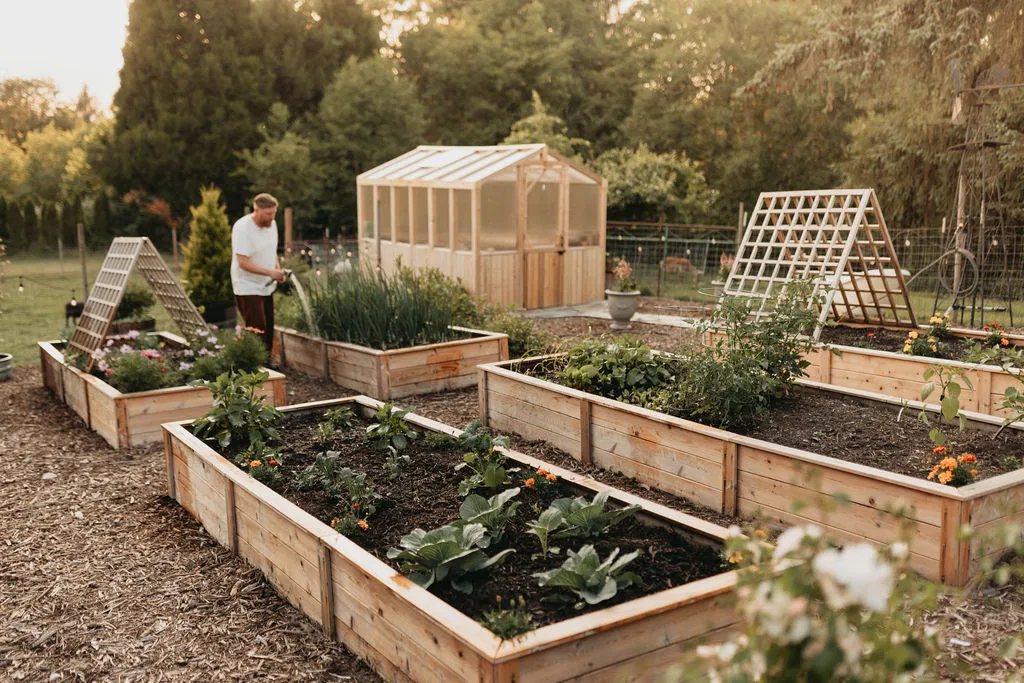
- Grow Your Own Food: Even a few pots of herbs or salad greens on a windowsill can make a difference. As you gain confidence, expand to raised beds or a backyard garden.
- Compost Kitchen Waste: Transform food scraps into valuable soil for your plants. Composting reduces landfill waste and enriches your garden naturally.
- Learn Basic DIY Skills: Simple repairs, sewing, and food preservation are empowering and save money.
- Conserve Resources: Install low-flow fixtures, switch to LED lighting, and unplug devices when not in use. For more ideas, see our modern homesteading household energy saving tips.
Each small step builds confidence and momentum, making it easier to incorporate more advanced homesteading practices over time.
Essential Skills for Modern Homesteaders
Developing a broad skill set is key to thriving in a homesteading lifestyle. Some of the most valuable abilities include:
- Gardening and Food Production: Understanding soil health, crop rotation, and organic pest control.
- Animal Husbandry: Raising chickens, goats, or bees can provide eggs, milk, and honey. Ethical care is vital—learn more about modern homesteading ethical animal care.
- Food Preservation: Canning, fermenting, and dehydrating help you store seasonal abundance for year-round use.
- Natural Building and Repairs: Skills like carpentry, masonry, and eco-friendly construction support a sustainable home environment.
Homesteaders often find that learning these skills not only saves money but also deepens their connection to the land and their food sources.
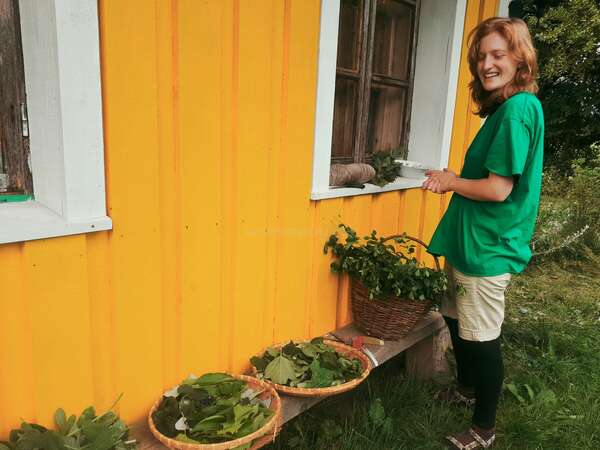
Eco-Friendly Living and Biodiversity
Sustainable homesteading goes hand in hand with caring for the environment. By choosing eco-friendly living strategies, you can reduce your ecological footprint and support local biodiversity. Practices like planting native species, creating pollinator habitats, and minimizing chemical use all contribute to a healthier ecosystem.
For a deeper dive into sustainable practices, see our modern homesteading eco friendly living guide. If you’re interested in the role of biodiversity, our article on modern homesteading biodiversity importance highlights why a diverse landscape is crucial for resilience and productivity.
Overcoming Common Challenges
While the rewards of a simpler lifestyle are many, homesteading comes with its own set of challenges. Common obstacles include:
- Time Management: Balancing homesteading tasks with work and family life can be demanding. Prioritize projects and involve the whole household where possible.
- Learning Curve: Mistakes are part of the process. Seek out local workshops, online resources, and community groups for support and advice.
- Budget Constraints: Start small and invest in quality tools and materials as you grow. Many homesteading practices, like composting and DIY repairs, save money over time.
Staying flexible and open to learning will help you navigate these hurdles and continue progressing toward your goals.
Integrating Modern Tools and Technology
Today’s homesteaders benefit from a wealth of modern tools that make simple living more accessible. Solar panels, rainwater harvesting systems, and efficient appliances can reduce your environmental impact and utility bills. Online communities and digital resources also provide valuable support and inspiration.
By blending traditional wisdom with modern innovation, you can create a homestead that’s both practical and forward-thinking.
Frequently Asked Questions
Can I practice homesteading in an urban or suburban environment?
Absolutely. Many homesteading principles, such as gardening, composting, and conserving resources, are adaptable to small spaces. Container gardening, vertical growing, and community gardens are excellent options for city dwellers.
What are the first steps to take for someone new to this lifestyle?
Start by assessing your available space and resources. Begin with easy projects like growing herbs, composting, or learning basic DIY repairs. Gradually expand your skills and projects as you gain confidence.
How can I make my homestead more sustainable?
Focus on reducing waste, conserving water and energy, and supporting local biodiversity. Incorporate renewable energy sources, plant native species, and minimize the use of chemicals. Continuous learning and adaptation are key to long-term sustainability.
Adopting a modern approach to homesteading is a rewarding journey that brings greater independence, resilience, and satisfaction. By taking small, consistent steps and embracing a mindset of simplicity and sustainability, you can create a lifestyle that’s both fulfilling and environmentally responsible.