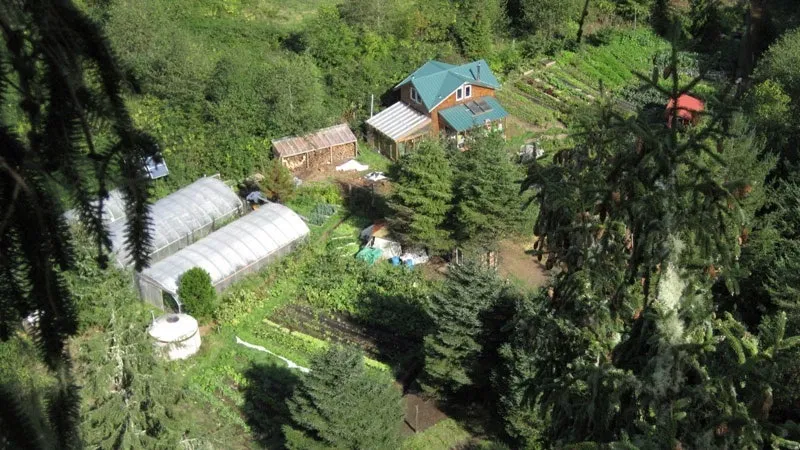
Creating a home that operates independently from municipal utilities is a dream for many seeking self-sufficiency, sustainability, and a closer connection to nature. Building an off-grid home involves careful planning, smart budgeting, and a clear understanding of the systems and materials required to thrive without traditional infrastructure. Whether your goal is energy independence, a smaller environmental footprint, or simply a quieter lifestyle, this guide will walk you through the essential considerations, costs, and practical choices involved.
Before diving into the details, it’s helpful to learn from those who have already taken the leap. For insights on property boundaries and animal management, the modern homesteading fencing guide offers practical advice that complements the off-grid lifestyle.
Understanding the True Costs of Going Off-Grid
The financial investment required for an independent home can vary dramatically based on location, design, and the level of comfort you expect. While some manage to construct basic cabins for under $50,000, others invest upwards of $300,000 for modern, energy-efficient dwellings with all the amenities.
- Land acquisition: Prices depend on region, access, and zoning. Remote plots may be cheaper but could require costly road or utility access.
- Permitting and legal fees: Always check local regulations, as some areas restrict off-grid builds or require specific permits.
- Construction materials: Costs range from affordable reclaimed wood and earthbags to high-end insulated panels and steel frames.
- Labor: DIY building can save money, but hiring professionals ensures code compliance and safety.
- Essential systems: Power, water, and waste management systems are significant upfront expenses but can save money long-term.
Budgeting for contingencies is wise, as unexpected expenses often arise. For more tips on managing your finances during the process, consider reviewing a modern homesteading budgeting tips resource.
Key Systems for Off-Grid Living
A successful off-grid residence relies on robust systems for electricity, water, heating, and waste. Each system should be tailored to your climate, lifestyle, and available resources.
Power Generation and Storage
Most off-grid homes use a combination of renewable energy sources and backup generators. The most common options include:
- Solar panels: Photovoltaic systems are popular for their reliability and falling costs. A typical setup for a small home ranges from $10,000 to $30,000, including batteries.
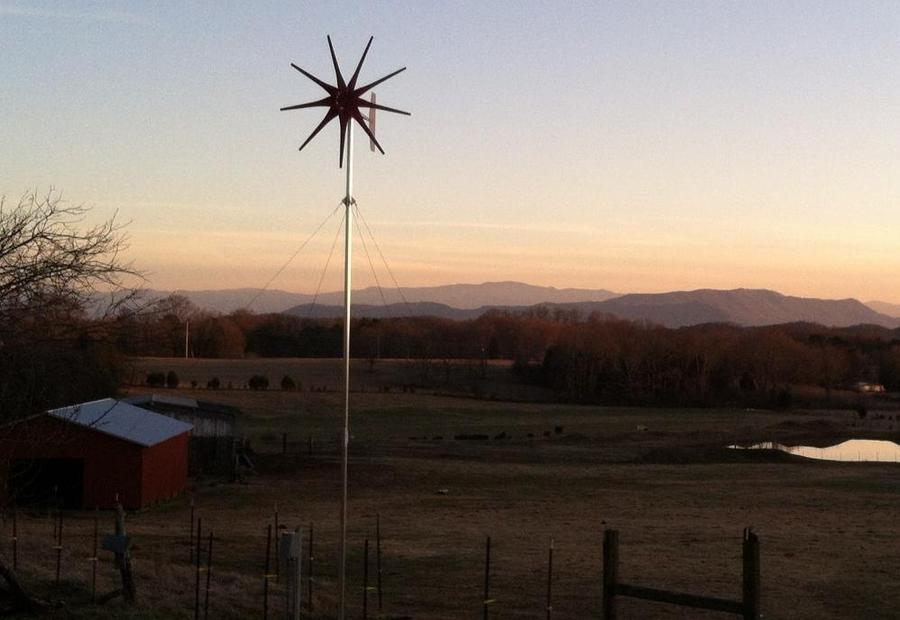
- Wind turbines: Effective in windy regions, these can supplement solar but require careful siting.
- Micro-hydro: If you have access to flowing water, micro-hydro can provide consistent, year-round power.
- Battery banks: Essential for storing energy for nighttime or cloudy days. Lithium-ion batteries are efficient but costly, while lead-acid options are more affordable but require maintenance.
- Backup generators: Propane, diesel, or gasoline generators provide emergency power but add fuel costs and maintenance.
Water Collection and Management
Reliable water is essential. Off-grid setups often combine several methods:
- Wells: Drilling a well is a common solution, but costs can range from $5,000 to $20,000 depending on depth and geology.
- Rainwater harvesting: Collecting and storing rainwater is cost-effective and sustainable, especially in areas with regular rainfall. Proper filtration and storage tanks are necessary for potable use.
- Surface water: Streams or ponds can be sources with appropriate filtration and legal access.
Water purification is critical. Options include UV filters, reverse osmosis, and ceramic filters to ensure safe drinking water.
Heating, Cooling, and Cooking
Climate control and food preparation require energy-efficient solutions:
- Wood stoves: Popular for heating and sometimes cooking, especially in colder climates.
- Propane appliances: Used for backup heating, water heaters, and stoves where renewable energy is insufficient.
- Passive solar design: Orienting and insulating your home to maximize natural heating and cooling reduces energy needs.
- Efficient insulation: High-quality insulation and thermal mass materials help maintain comfortable temperatures year-round.
Waste Management and Sanitation
Handling waste responsibly is vital for health and environmental protection. Common solutions include:
- Composting toilets: Reduce water use and produce usable compost for non-edible plants.
- Septic systems: Traditional but require professional installation and regular maintenance.
- Greywater systems: Recycle water from sinks and showers for irrigation, reducing overall consumption.
Choosing Materials for Sustainable Construction
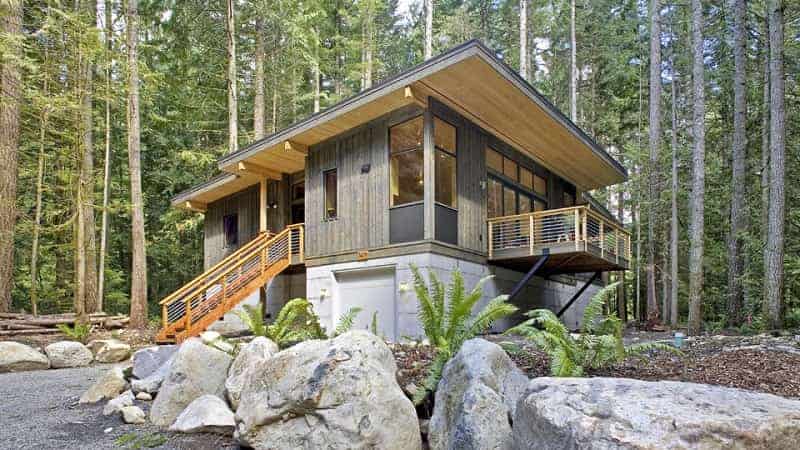
The materials you select impact not only your budget but also your home’s efficiency and environmental footprint. Many off-grid builders prioritize locally sourced, renewable, or recycled materials.
- Timber and logs: Readily available in many regions, wood offers good insulation and a natural look.
- Straw bale: Excellent insulation and low cost, suitable for dry climates.
- Earthbags and cob: Natural, affordable, and highly insulating, though labor-intensive.
- Structural insulated panels (SIPs): Prefabricated panels provide superior insulation and quick assembly.
- Reclaimed materials: Using salvaged wood, metal, and windows can lower costs and reduce waste.
For more inspiration on plant-based living spaces, you might also enjoy the modern homesteading herbal garden ideas for integrating edible and medicinal plants into your landscape.
Planning, Zoning, and Practical Considerations
Before breaking ground, research local zoning laws and building codes. Some areas have strict requirements for septic systems, minimum square footage, or renewable energy installations. Consulting with local authorities and experienced builders can help you avoid costly mistakes and ensure your project is legal and safe.
It’s also smart to connect with others who have completed similar projects. The Mother Earth News guide to off-grid homesteading offers real-life examples and practical advice from experienced homesteaders.
Frequently Asked Questions
How much does it cost to build an off-grid house?
Costs can range from $50,000 for a small, basic cabin to over $300,000 for a modern, fully equipped home. Factors include land price, size, materials, and the complexity of your energy and water systems.
What are the most important systems for living off the grid?
The essentials are reliable power generation (solar, wind, or hydro), water sourcing and purification, waste management (composting or septic), and efficient heating/cooling. Each should be tailored to your location and needs.
Can you really be completely independent from utilities?
Yes, with careful planning and investment in the right systems, it’s possible to live entirely without municipal power, water, or sewer services. However, some choose to remain partially connected for backup or convenience.
Conclusion
Achieving a self-sufficient lifestyle requires thoughtful planning, a clear understanding of costs, and a commitment to sustainable systems and materials. By researching your options, budgeting carefully, and learning from experienced homesteaders, you can create a comfortable, resilient home that stands apart from the grid. For those new to this journey, reviewing common modern homesteading beginner mistakes can help you avoid pitfalls and set your project up for long-term success.