
Embracing a self-sufficient lifestyle is more than just a trend—it’s a practical response to rising costs and a desire for greater independence. Many people are turning to modern homesteading frugal living tips to stretch their budgets, reduce waste, and create a more sustainable way of life. Whether you live on a sprawling acreage or in a suburban neighborhood, there are countless ways to adopt these principles and make your daily routines more cost-effective.
In this article, you’ll discover actionable strategies for saving money, maximizing resources, and building resilience through homesteading practices. From growing your own food to repurposing everyday items, these ideas can help you live well without overspending. If you’re interested in optimizing your property for self-reliance, you might also find the modern homesteading fencing guide helpful as you plan your setup.

Getting Started with Cost-Effective Homesteading
The journey toward a more frugal homestead begins with a shift in mindset. Instead of focusing on what you lack, look for creative ways to use what you already have. Start small and build skills over time, prioritizing projects that offer the greatest savings and benefits.
- Set clear goals: Decide what you want to achieve—whether it’s lowering grocery bills, reducing energy use, or producing your own food.
- Assess your resources: Take inventory of your land, tools, and available time. This will help you choose projects that fit your situation.
- Learn from others: Connect with local homesteaders, read blogs, and join online communities to gather advice and inspiration. For a comprehensive overview, check out this detailed guide to modern homesteading.
Growing Your Own Food on a Budget
One of the most effective ways to save money is by producing your own fruits, vegetables, and herbs. Even a small garden can yield significant returns, especially when you apply modern homesteading frugal living tips to maximize output and minimize expenses.

Budget-Friendly Gardening Strategies
- Start from seed: Seeds are far less expensive than seedlings. Save seeds from your own produce or swap with neighbors.
- Compost kitchen scraps: Turn food waste into nutrient-rich compost to feed your garden without buying fertilizer.
- Use recycled materials: Old containers, pallets, and buckets can be repurposed as planters or raised beds.
- Grow perennials: Plants like asparagus, rhubarb, and berry bushes come back year after year, reducing annual planting costs.
If you’re interested in expanding your garden beyond vegetables, consider exploring herbal garden ideas for homesteaders to add both flavor and medicinal value to your harvests.
Raising Animals for Self-Sufficiency
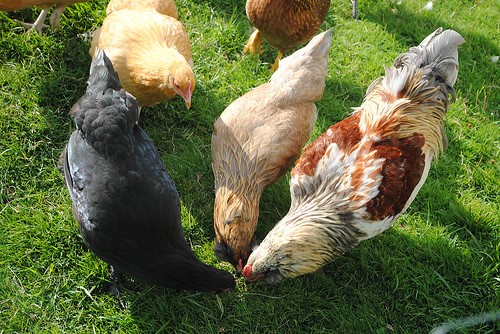
Keeping livestock can provide a steady supply of eggs, milk, and meat, but it’s important to approach animal husbandry with a frugal mindset. Choose breeds that are well-suited to your climate and available space, and look for ways to minimize ongoing expenses.
Economical Livestock Practices
- Start small: Begin with chickens or rabbits, which require less space and investment than larger animals.
- Feed efficiently: Supplement commercial feed with kitchen scraps, garden trimmings, or forage to cut costs.
- Build your own shelters: Use salvaged wood and recycled materials to construct coops and pens.
- Barter and trade: Exchange surplus eggs or meat with neighbors for other goods or services.
For more advice on maintaining your property and equipment, refer to these tool maintenance tips for homesteaders to keep your investments lasting longer.
Resourceful Home Management for Savings
Frugal living isn’t limited to the garden or barnyard. Applying resourcefulness throughout your household can yield substantial savings and reduce your environmental impact.
Smart Strategies for Everyday Life
- DIY cleaning products: Make your own cleaners using vinegar, baking soda, and essential oils instead of buying commercial brands.
- Repair, don’t replace: Mend clothing, fix appliances, and maintain tools to avoid unnecessary purchases.
- Preserve food: Canning, dehydrating, and freezing surplus produce helps you enjoy homegrown food year-round.
- Reduce energy use: Install energy-efficient lighting, insulate your home, and use passive solar techniques to lower utility bills.
- Buy in bulk: Purchase staples like grains, beans, and flour in larger quantities to save money over time.
Adapting your routines to the changing seasons is another way to live more efficiently. Explore the seasonal living guide for homesteaders for ideas on how to align your activities with nature’s rhythms.
Creative Ways to Repurpose and Reuse
One of the core principles of a thrifty homestead is making the most of every resource. By finding new uses for old items, you can save money and reduce waste.
- Upcycle containers: Glass jars, tin cans, and plastic tubs can be used for storage, seed starting, or crafts.
- Transform old clothing: Turn worn-out jeans into sturdy work aprons or quilts.
- Salvage building materials: Reclaim lumber, bricks, and hardware from demolition sites or online marketplaces for new projects.
- Compost everything possible: Yard waste, paper, and even some cardboard can be composted to enrich your soil.
Building Community and Sharing Resources
Frugal homesteading is often easier and more enjoyable when you connect with others who share your values. Community can provide support, knowledge, and opportunities to trade or share resources.
- Join local groups: Look for gardening clubs, seed swaps, or homesteading meetups in your area.
- Share equipment: Borrow or lend tools and machinery with neighbors to avoid unnecessary purchases.
- Collaborate on projects: Work together on large tasks like fence building, harvesting, or food preservation.
- Exchange skills: Trade expertise in areas like carpentry, animal care, or herbal medicine for help with your own projects.
If you’re designing or updating your property, take a look at these homestead design ideas to make the most of your space and resources.
Frequently Asked Questions
What are the first steps to start living more frugally on a homestead?
Begin by setting clear priorities and identifying areas where you can make the biggest impact, such as growing your own food, reducing energy use, or repairing instead of replacing items. Start small, build skills gradually, and focus on projects that offer the best return for your effort and investment.
How can I save money on homestead supplies and equipment?
Look for used tools and materials at thrift stores, auctions, or online marketplaces. Barter with neighbors, join local sharing groups, and repurpose items you already have. Maintaining and repairing your equipment will also help you avoid unnecessary expenses.
Is it possible to practice frugal homesteading in a suburban or urban setting?
Absolutely. Many principles—such as gardening, composting, preserving food, and making your own cleaning products—can be adapted to smaller spaces. Focus on maximizing what you can do with your available resources and connect with others in your community for support and ideas.