Embracing natural building techniques off-grid is becoming increasingly popular among those seeking a sustainable, self-reliant lifestyle. Constructing a home with locally sourced, eco-friendly materials not only minimizes environmental impact but also enhances comfort and resilience. Whether you’re planning a remote homestead or simply want to reduce your carbon footprint, understanding these construction methods is essential for anyone interested in alternative living.
This guide explores the most effective approaches to building with natural materials, offering practical advice for anyone considering a life away from conventional utilities. You’ll discover the benefits, challenges, and key considerations for making your off-grid dwelling both functional and environmentally responsible.
For those interested in broader strategies for independence, you may also want to explore self-sufficient homestead ideas to complement your building plans.
Why Choose Eco-Friendly Construction for Remote Living?
Opting for natural building techniques off-grid provides several advantages over conventional construction. These methods use renewable, low-impact resources such as earth, straw, and timber, which are often available locally. This reduces transportation costs and environmental harm, while also supporting regional economies.
- Lower environmental impact: Materials like cob, adobe, and straw bale are biodegradable and have a much smaller carbon footprint compared to concrete or steel.
- Improved indoor air quality: Natural materials typically contain fewer toxins and allow for better moisture regulation.
- Energy efficiency: Many natural homes are designed for passive solar heating and cooling, reducing the need for external energy sources.
- Cost savings: Sourcing materials from your land or local area can significantly lower construction expenses.
Integrating these techniques with sustainable off-grid living practices can further enhance your home’s resilience and comfort.
Popular Natural Materials for Off-Grid Construction
Selecting the right building materials is crucial for a successful off-grid project. Here are some of the most widely used options:
Cob: Earth, Sand, and Straw
Cob is a time-tested mixture of clay, sand, straw, and water. It’s shaped by hand or with simple tools, allowing for creative, organic designs. Cob walls are thick and provide excellent thermal mass, helping to regulate indoor temperatures.
Straw Bale: Insulation and Structure
Straw bales can be stacked to form walls, which are then plastered with clay or lime. This method offers outstanding insulation, making it ideal for both hot and cold climates. Straw bale homes are also quick to assemble and use an agricultural byproduct that might otherwise go to waste.
Adobe: Sun-Dried Earth Bricks
Adobe bricks are made from a blend of clay, sand, and straw, then dried in the sun. This technique has been used for centuries in arid regions. Adobe walls are durable, fire-resistant, and provide excellent thermal mass.
Timber Frame and Cordwood
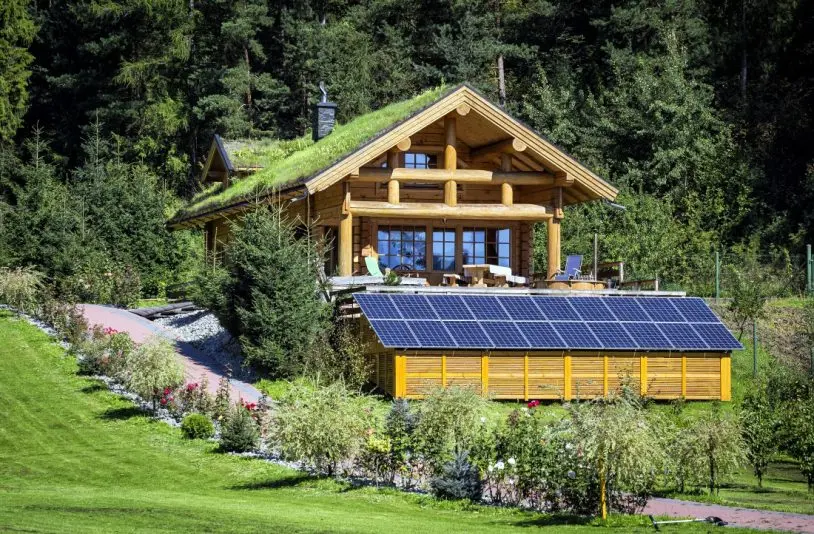
Timber framing uses large wooden beams to create a sturdy skeleton for the home. Cordwood construction, on the other hand, involves stacking short logs with mortar to form thick, insulating walls. Both methods use renewable resources and can be adapted to various climates.
Design Principles for Sustainable Off-Grid Homes
Building with natural materials is only one part of the equation. Thoughtful design is essential for maximizing comfort and efficiency in a remote setting.
- Passive solar orientation: Position windows and living spaces to capture sunlight in winter and provide shade in summer.
- Thermal mass: Use thick walls or floors to absorb and slowly release heat, reducing temperature swings.
- Natural ventilation: Incorporate operable windows, vents, and open floor plans to promote airflow and reduce reliance on mechanical systems.
- Water collection and reuse: Install rainwater harvesting systems and greywater recycling to support self-sufficiency.
Pairing these design strategies with eco-friendly homesteading practices can help you create a truly independent and resilient home.
Challenges and Considerations for Remote Construction
While the benefits of natural building techniques off-grid are significant, there are also unique challenges to address:
- Building codes and permits: Some regions have strict regulations regarding alternative construction. Always check local requirements before starting your project.
- Material availability: Not all natural materials are suitable for every climate or location. Assess what’s accessible on your land or nearby.
- Labor and skills: Many techniques require hands-on labor and specialized knowledge. Consider workshops, books, or working with experienced builders.
- Weather and site conditions: Plan for seasonal changes, soil type, and water drainage to ensure your home’s longevity.
For a deeper understanding of the environmental impact, see this detailed explanation of the carbon footprint of off-grid living.
Integrating Regenerative and Self-Sufficient Practices
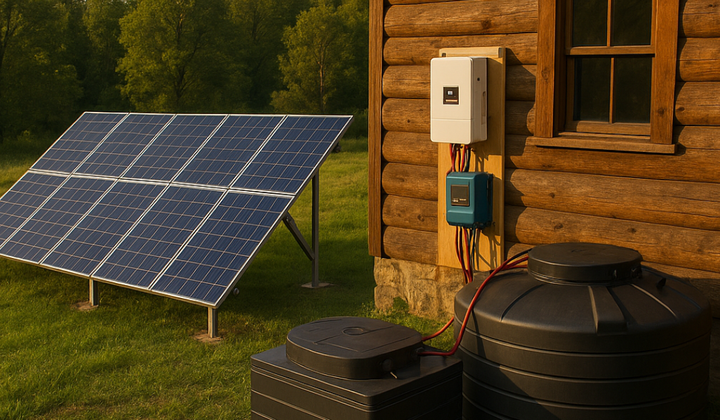
The most successful off-grid homes go beyond sustainability, aiming for regenerative systems that restore and enhance the environment. This might include permaculture landscaping, composting toilets, and renewable energy sources such as solar panels or wind turbines.
To learn more about pushing your homestead beyond basic sustainability, explore regenerative living off-grid approaches that emphasize ecological restoration and long-term resilience.
Combining these advanced strategies with natural building techniques off-grid creates a holistic approach to independent living, ensuring your home remains comfortable, efficient, and environmentally positive for years to come.
Resources and Learning Opportunities
If you’re interested in hands-on experience, many organizations and communities offer workshops and volunteer opportunities. These can provide valuable skills and connect you with like-minded individuals. For those starting with limited funds, this guide to living off the grid with no money offers practical tips for getting started.
Books, online courses, and local meetups are also excellent resources for deepening your knowledge and confidence in natural construction methods.
Frequently Asked Questions
What are the most affordable natural building methods for remote homes?
Cob and straw bale construction are often the most cost-effective, especially when materials are sourced locally. Both methods require more labor but can be completed with minimal specialized equipment.
How do natural homes perform in extreme climates?
With proper design, natural homes can be highly resilient. Thick walls made from earth or straw provide excellent insulation and thermal mass, helping to keep interiors comfortable in both hot and cold environments.
Do I need special permits for alternative construction?
Building codes vary greatly by region. It’s important to research local regulations before starting, as some areas have restrictions on certain materials or techniques. Consulting with local authorities early in the planning process can help avoid costly delays.
Can natural building techniques be combined with modern amenities?
Yes, many off-grid homes successfully integrate solar power, efficient appliances, and other modern comforts. The key is to design systems that complement the home’s natural features and minimize energy use.
By understanding and applying natural building techniques off-grid, you can create a home that is not only environmentally responsible but also uniquely suited to your needs and values.