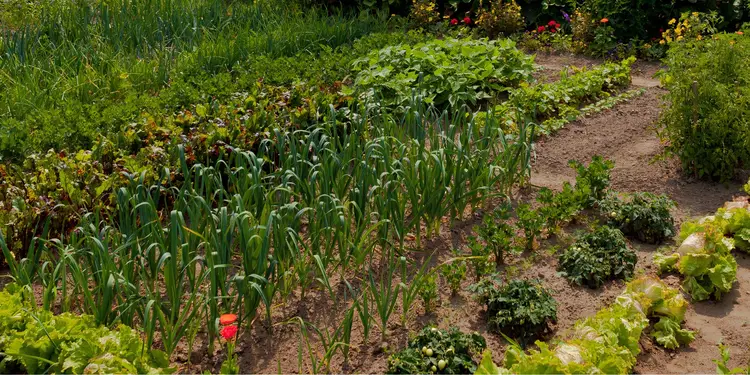
Urban living and limited outdoor areas don’t have to mean giving up on fresh produce or a green retreat. With the right strategies, anyone can cultivate a thriving, eco-friendly garden—even on a balcony, patio, or compact backyard. Small-space sustainable gardening is all about maximizing your available area, reducing waste, and making environmentally conscious choices that support both your lifestyle and the planet.
Whether you’re a city dweller with a sunny windowsill or a suburbanite with a modest plot, adopting mindful gardening methods can yield impressive harvests and a sense of accomplishment. This article explores practical approaches, essential tools, and creative ideas for making the most of every square foot, while keeping sustainability at the core of your efforts.
For those interested in expanding their eco-friendly skills beyond gardening, the modern homesteading herbal garden ideas guide offers inspiration for integrating herbs and natural remedies into your home routine.
Benefits of Compact Eco-Friendly Gardening
Embracing small-space sustainable gardening brings a host of advantages. Not only does it allow you to grow fresh, organic produce close to home, but it also reduces your carbon footprint by minimizing transportation and packaging waste. Compact gardens are easier to manage, require less water, and can be adapted to suit various lifestyles and physical abilities.
- Resource Efficiency: Smaller plots use less water and fertilizer, making them ideal for eco-conscious growers.
- Reduced Waste: By composting kitchen scraps and using organic methods, you can create a closed-loop system that enriches your soil.
- Accessibility: Raised beds, containers, and vertical setups make gardening possible for people with limited mobility or space.
- Year-Round Potential: With the right tools, such as LED grow lights and portable containers, you can extend your growing season indoors.
Choosing the Right Containers and Materials
Selecting appropriate containers is crucial for maximizing limited space and ensuring healthy plant growth. Options range from classic clay pots to modern fabric grow bags and galvanized metal planters. Each type offers unique benefits for sustainable gardening in tight quarters.
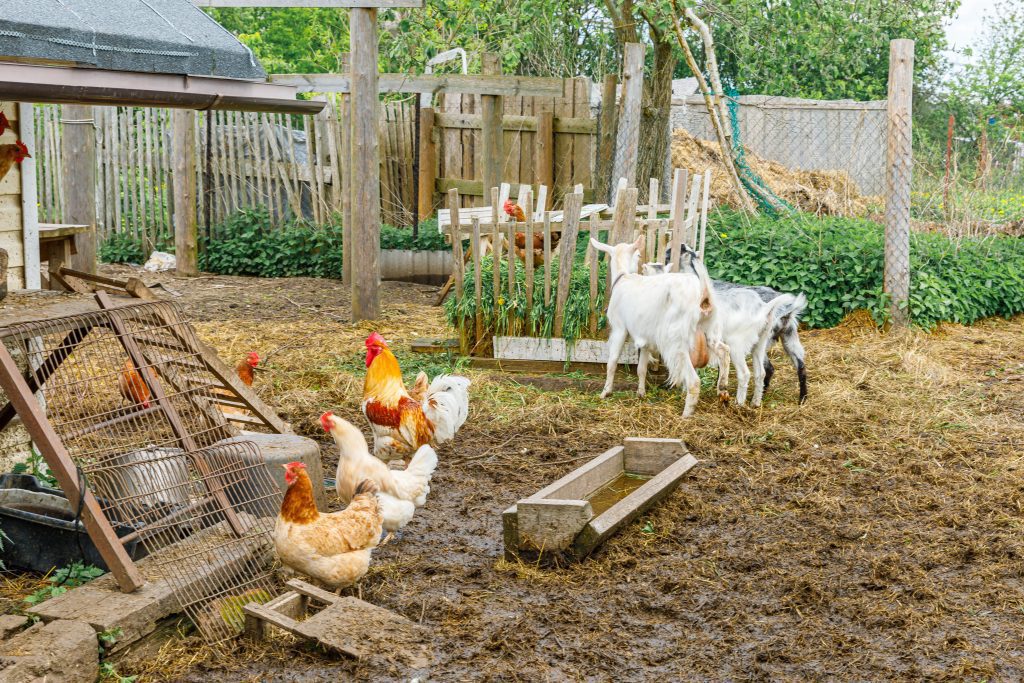
Fabric grow bags are lightweight, breathable, and promote healthy root systems by allowing excess water to drain and air to circulate. Galvanized metal containers are durable, reusable, and add a modern touch to patios and balconies. When choosing containers, prioritize those made from recycled or sustainable materials to further reduce your environmental impact.
Vertical Gardening and Space Optimization
Making the most of vertical space is a hallmark of efficient, eco-friendly gardening in compact areas. By growing upwards instead of outwards, you can significantly increase your yield without expanding your footprint.
- Wall Planters: Attach planters or pocket systems to fences, walls, or balcony railings for herbs, greens, and flowers.
- Trellises and Stakes: Support climbing vegetables like peas, beans, and cucumbers to keep them off the ground and save space.
- Hanging Baskets: Suspend baskets from ceilings or hooks to grow strawberries, cherry tomatoes, or trailing herbs.
- Stackable Pots: Use modular, stackable containers to create vertical towers of lettuce, spinach, or even root crops.
These methods not only optimize available space but also improve air circulation and reduce the risk of soil-borne pests and diseases.
Soil Health and Composting in Small Areas
Healthy soil is the foundation of any successful garden, regardless of size. In small-space setups, it’s especially important to maintain nutrient-rich, living soil with good structure and drainage. Use high-quality potting mixes, and amend with organic matter such as compost or worm castings.
Even in tight quarters, composting is possible. Consider a compact worm bin or bokashi system for processing kitchen scraps. These methods produce nutrient-dense amendments for your containers and help close the loop on household waste. For more on the roots of sustainable land use, explore the history of homesteading in Canada and how these traditions influence modern eco-gardening.
Water Conservation Techniques for Urban Gardens
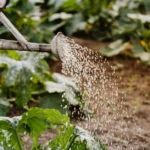
Efficient water use is a key principle of small-space sustainable gardening. With limited soil volume, containers can dry out quickly, but overwatering can be just as damaging. Employ these strategies to maintain healthy moisture levels:
- Use self-watering containers or add a layer of mulch to retain moisture.
- Collect rainwater in barrels or buckets for irrigation.
- Water early in the morning or late in the evening to minimize evaporation.
- Group plants with similar water needs together for efficient care.
Plant Selection for Productive Compact Gardens
Choosing the right crops is essential for maximizing yield in a small area. Focus on high-yield, space-saving varieties and crops that can be harvested repeatedly throughout the season.
- Leafy Greens: Lettuce, spinach, kale, and arugula grow quickly and can be cut-and-come-again.
- Herbs: Basil, parsley, cilantro, and chives thrive in containers and provide fresh flavor for months.
- Dwarf or Bush Varieties: Look for compact tomatoes, peppers, and beans bred for container growth.
- Root Crops: Radishes, carrots, and beets can be grown in deep pots or grow bags.
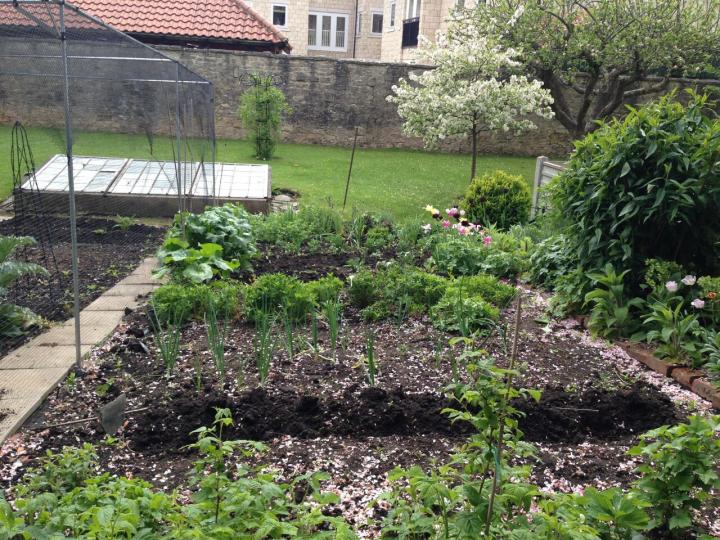
Succession planting—sowing new seeds as you harvest—ensures a continuous supply of fresh produce. Companion planting can also help maximize space and deter pests naturally.
Supporting Biodiversity and Pollinators
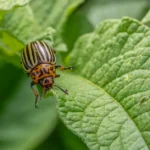
Even the smallest gardens can contribute to local ecosystems. Incorporate native flowers, flowering herbs, and pollinator-friendly plants to attract bees, butterflies, and beneficial insects. Avoid chemical pesticides and opt for organic pest control methods, such as neem oil or hand-picking, to maintain a healthy balance.
Creating a diverse mini-habitat not only benefits your crops but also supports urban wildlife and fosters a deeper connection to nature.
Tips for Maintaining a Sustainable Garden in Limited Space
- Rotate crops each season to prevent soil depletion and reduce disease risk.
- Regularly prune and harvest to encourage new growth and prevent overcrowding.
- Monitor for pests and diseases, addressing issues early with organic solutions.
- Keep tools and supplies organized to make the most of your available area.
- Educate yourself on best practices—resources like the modern homesteading fencing guide can help you protect your garden and optimize your setup.
Frequently Asked Questions
What are the best vegetables for small-space sustainable gardening?
Leafy greens like lettuce and spinach, compact tomatoes, peppers, radishes, and most herbs are excellent choices. These plants thrive in containers and can be harvested multiple times, making them ideal for limited areas.
How can I compost in a small apartment or balcony?
Worm bins (vermicomposting) and bokashi buckets are compact solutions for turning kitchen scraps into nutrient-rich compost. They fit easily under sinks or on balconies, require minimal maintenance, and produce valuable amendments for your garden.
Do I need special soil for container gardening?
Yes, containers perform best with high-quality potting mix that drains well and retains moisture. Adding organic matter like compost or worm castings boosts fertility and supports healthy plant growth.
By following these principles and adapting them to your unique space, you can enjoy the rewards of small-space sustainable gardening—fresh food, a greener home, and a positive impact on the environment.