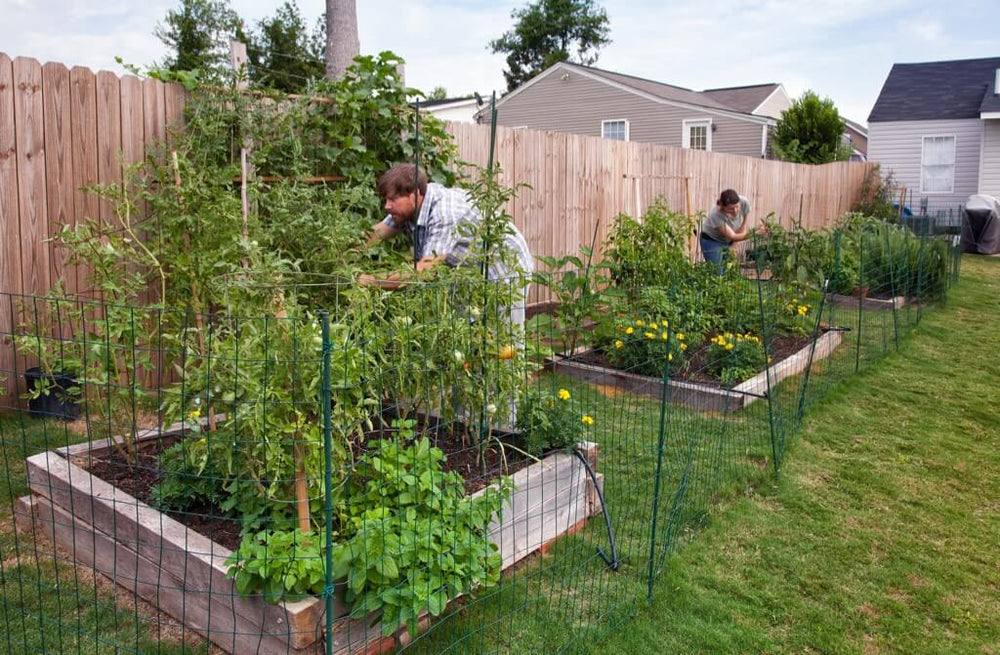
In the modern world of homesteading, many enthusiasts are turning to natural beekeeping practices as a means to foster healthier hives and promote sustainable living. These practices not only benefit the bees but also contribute to the well-being of the environment. This article aims to explore the various methods that can be incorporated into your beekeeping routine to ensure the vitality of your bee colonies.
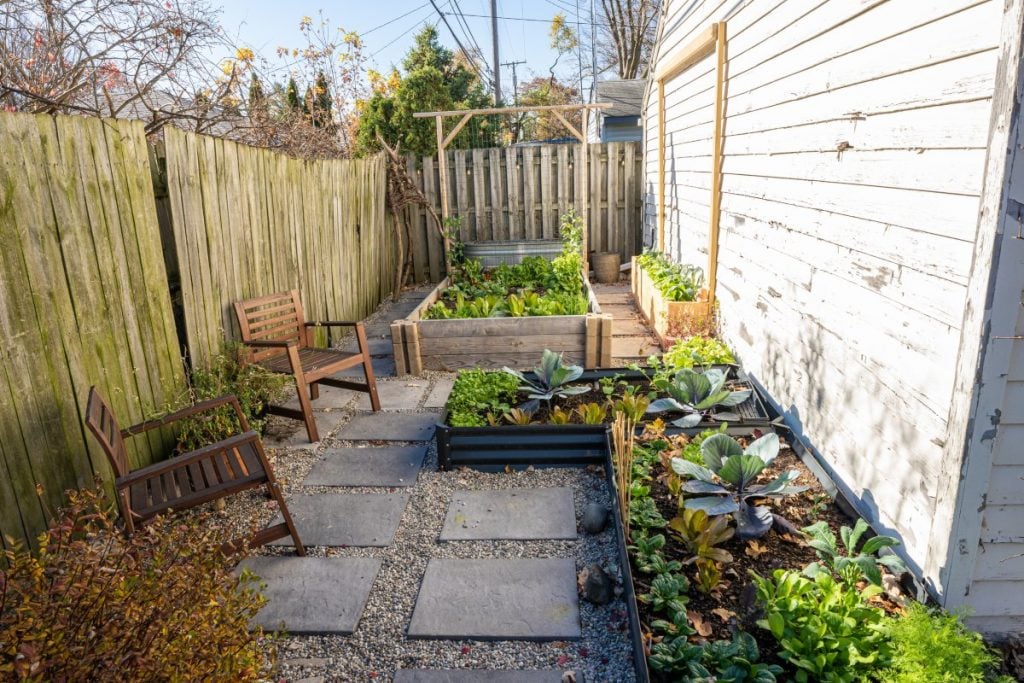
Understanding Natural Beekeeping
Natural beekeeping is an approach that emphasizes working with the natural instincts and behaviors of bees. It avoids the use of harsh chemicals and synthetic treatments, focusing instead on creating an environment where bees can thrive as they would in the wild.
The Importance of Bees
Bees play a crucial role in pollinating crops and wild plants, making them essential for food production and biodiversity. By adopting natural beekeeping practices, we can support these important pollinators and enhance the ecological health of our surroundings.
Key Principles of Natural Beekeeping
1. Minimal Intervention
One of the core principles of natural beekeeping is minimal intervention. This means allowing bees to build their own combs, swarm naturally, and manage their own hive dynamics without excessive human disruption.
2. Natural Habitat
Creating a habitat that mimics the bees’ natural environment is crucial. This includes providing a variety of flowering plants and trees that offer nectar and pollen throughout the seasons.
3. Chemical-Free Management
Instead of relying on chemical treatments, natural beekeepers use alternative methods like essential oils or herbal remedies to manage pests and diseases. This approach is gentler on the bees and the environment.
4. Sustainable Hive Designs
Opting for hive designs that support natural bee behaviors is key. Top-bar hives and Warr hives are popular choices among natural beekeepers because they encourage bees to build their combs naturally.
Steps to Start Natural Beekeeping
1. Educate Yourself
Before diving into natural beekeeping, it’s essential to educate yourself about bee biology, behavior, and the specific needs of your local environment. Consider visiting resources like Backyard Homesteading for additional insights.
2. Select the Right Location
Choose a location that offers protection from the wind and has ample sunlight. Proximity to diverse flowering plants will provide a consistent food source for your bees.
3. Build or Buy a Natural Hive
Start with a hive design that aligns with natural beekeeping principles. Cheese Aging at Home offers insights into sustainable practices that can also be applied to hive construction.
4. Acquire Healthy Bees
Source your bees from reputable suppliers who practice sustainable breeding and management. Healthy bees are more resilient and better adapted to natural beekeeping practices.
5. Monitor and Adapt
Regularly monitor your hives for signs of disease or stress. Be prepared to adapt your methods as needed to ensure the health of your bee colonies.
Challenges and Solutions in Natural Beekeeping
Dealing with Pests
Natural beekeepers often face challenges with pests like Varroa mites. Using screened bottom boards and drone comb trapping are effective non-chemical strategies for managing these pests.
Maintaining Hive Health
Regular hive inspections and maintaining a diverse forage environment are crucial for preventing disease and promoting strong bee populations.
The Benefits of Natural Beekeeping
Environmental Impact
By embracing natural beekeeping practices, you contribute to a healthier ecosystem. Bees help in the pollination of plants, which supports biodiversity and enhances the resilience of natural habitats.
Healthier Honey
Honey produced through natural methods is free from chemical residues, making it a healthier choice for consumers. It also retains more of its natural flavors and beneficial properties.
FAQs on Natural Beekeeping
1. Why is minimal intervention important in natural beekeeping?
Minimal intervention allows bees to follow their natural instincts, which leads to stronger and more resilient colonies.
2. How can I ensure my bees have enough food sources?
Ensure your bees have access to a variety of flowering plants throughout the year. Planting native flowers and trees is an excellent way to provide diverse forage.
3. What are the best hive designs for natural beekeeping?
Top-bar hives and Warr hives are popular among natural beekeepers because they encourage natural bee behaviors and reduce the need for human intervention.
For more insights into sustainable living and homesteading practices, explore resources like Aquaponics for Urban Homesteads and Backyard Homestead Ideas.