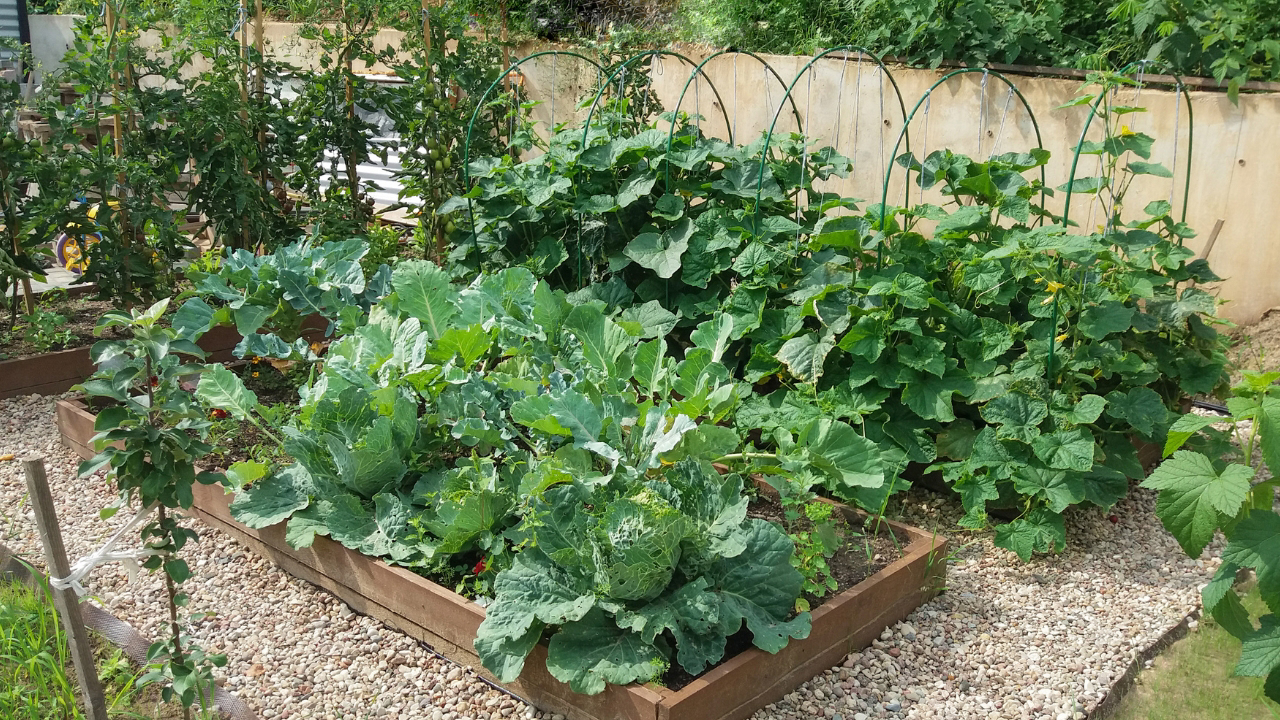
In today’s world, the concept of permaculture is becoming increasingly popular among urban dwellers and homestead dreamers. But how can we apply permaculture in small spaces? This article will explore various strategies to implement permaculture principles, even in the tiniest areas, offering a sustainable lifestyle solution.
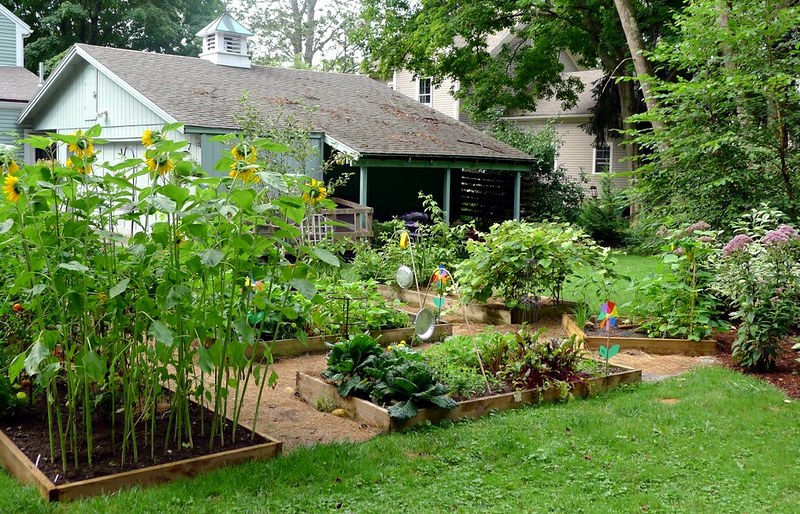
What is Permaculture?
Permaculture is a system of agricultural and social design principles centered around simulating or directly utilizing the patterns and features observed in natural ecosystems. Its about creating sustainable and self-sufficient ecosystems in any environment.
The Importance of Permaculture in Urban Areas
With urbanization, the need to adopt sustainable agricultural practices in small urban settings has never been greater. Implementing permaculture in small spaces can lead to healthier living environments, reduced carbon footprints, and increased food security.
Design Principles for Small Spaces
Permaculture is guided by several key design principles that can be adapted to fit small spaces. These include:
1. Observe and Interact
Begin by observing your space. Notice sunlight patterns, wind directions, and areas of water drainage.
2. Catch and Store Energy
Utilize rainwater harvesting and solar energy to make the most of natural resources.
3. Obtain a Yield
Even the smallest garden should provide some yield. Focus on high-yield crops like herbs and leafy greens.
Creating a Permaculture Garden in Small Spaces
Transforming a small balcony or backyard into a permaculture garden is possible with a few creative strategies.
Vertical Gardening
Use vertical space by installing shelves or trellises for climbing plants. This technique maximizes space and increases plant diversity.
Container Gardening
Containers are versatile and can be moved to catch the sun. They’re perfect for growing vegetables and herbs in limited spaces.
Companion Planting
Companion planting involves growing different plants together to enhance growth, repel pests, and improve flavor.
Examples of Companion Plants
Tomatoes and basil are classic companions that can thrive in small containers together.
Water Management in Urban Permaculture
Efficient water management is crucial in permaculture. Utilize rain barrels and drip irrigation systems to conserve water.
Rainwater Harvesting
Collecting rainwater can significantly reduce water usage and provide a sustainable water source for your garden.
Soil Health and Composting
Healthy soil is the foundation of any permaculture system. Use composting to enrich the soil naturally.
Vermicomposting
Vermicomposting is ideal for small spaces. It involves using worms to decompose organic waste, creating nutrient-rich compost.
Incorporating Animals
Even in small spaces, animals like chickens or bees can be part of your permaculture system, providing eggs, honey, and natural pest control.
Urban Chicken Keeping
Chickens can be kept in urban areas to supply eggs and help manage waste by eating food scraps.
Benefits of Permaculture in Small Spaces
Implementing permaculture in small spaces offers numerous benefits such as improved food security, reduced living costs, and enhanced community resilience.
Food Security
Growing your own food in limited spaces can significantly enhance food security and reduce dependence on external food sources.
Cost Savings
Permaculture can lead to significant cost savings by reducing grocery bills and minimizing waste.
Challenges and Solutions
While there are challenges in implementing permaculture in urban areas, solutions are available.
Limited Space
Focus on vertical and container gardening to maximize limited space.
Community Engagement
Get involved with local community gardens or create shared spaces to expand your permaculture efforts.
Conclusion
Permaculture in small spaces is not only feasible but also incredibly rewarding. By adopting sustainable practices, even urban dwellers can create thriving ecosystems that benefit both their lives and the planet.
FAQs
What is the main goal of permaculture?
The main goal of permaculture is to create sustainable and self-sufficient ecosystems that mimic natural systems.
Can permaculture be applied indoors?
Yes, permaculture principles can be applied indoors through methods like container gardening and vertical planting.
How can I start a permaculture garden on a balcony?
Start by observing the sunlight and wind patterns on your balcony, then choose appropriate plants and containers to maximize space.
Learn more about frugal homestead tips and homesteading on a budget to support your sustainable journey.