In recent years, the concept of edible landscaping in the city has gained significant traction. As city dwellers seek sustainable and environmentally friendly ways to utilize their limited space, the idea of transforming urban landscapes into productive gardens has become increasingly appealing. Edible landscaping not only enhances the aesthetic appeal of urban areas but also provides a source of fresh produce. This innovative approach allows individuals to connect with nature and contribute to a more sustainable future.
What is Edible Landscaping?
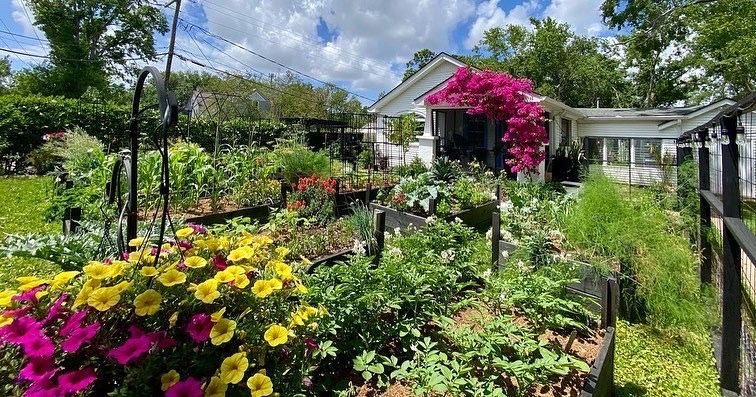
Edible landscaping involves the integration of edible plants into traditional landscapes. This practice combines the beauty of ornamental gardening with the functionality of growing food. By incorporating fruits, vegetables, and herbs into urban spaces, individuals can create aesthetically pleasing environments that also yield nutritious produce.
Benefits of Edible Landscaping in Urban Areas
Environmental Impact
The environmental benefits of edible landscaping are significant. By growing food locally, individuals can reduce their carbon footprint by minimizing the need for transportation. Urban gardens also help mitigate the urban heat island effect, improve air quality, and promote biodiversity within the city.
Health and Well-being
Engaging in edible landscaping not only provides access to fresh, organic produce but also promotes physical and mental well-being. Gardening is a form of physical exercise that can reduce stress and improve overall health. For more insights on the health benefits of homesteading, you can refer to this article.
Community Engagement
Urban edible landscapes can foster a sense of community by bringing people together to work towards a common goal. Community gardens provide opportunities for social interaction and collaboration, strengthening neighborhood bonds.
Designing an Edible Landscape
Assessing Space and Resources
When designing an edible landscape, it is important to assess the available space and resources. Consider the amount of sunlight, soil quality, and water availability in your urban environment. You may find it helpful to learn how to start an urban homestead, which you can explore here.
Selecting Suitable Plants
Choose plants that are well-suited to your local climate and growing conditions. Consider incorporating a mix of perennials and annuals to ensure year-round productivity. Some popular choices for urban edible landscaping include tomatoes, peppers, herbs, and leafy greens.
Incorporating Aesthetic Elements
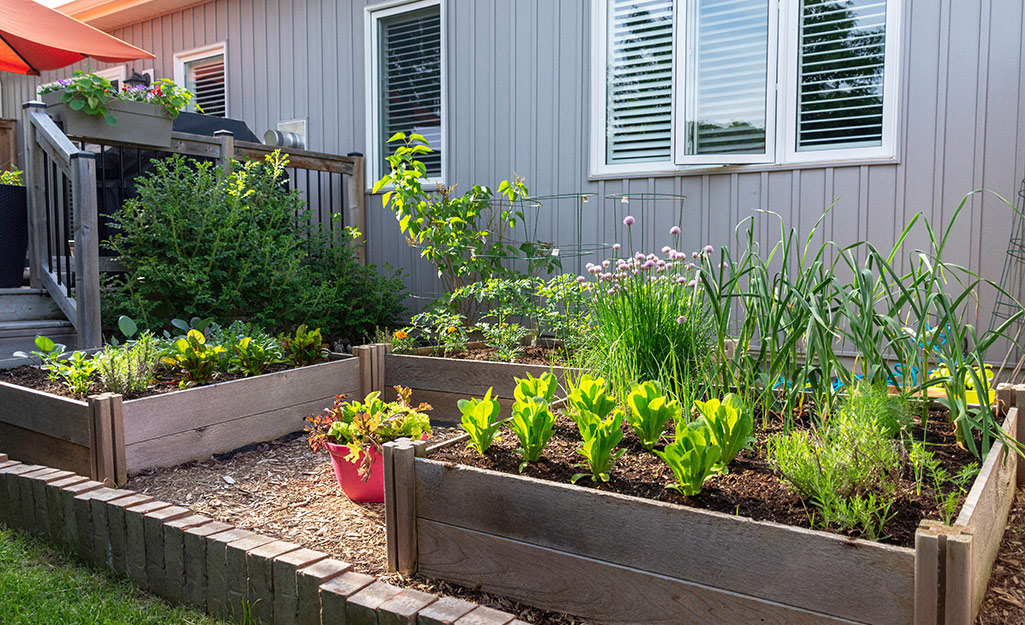
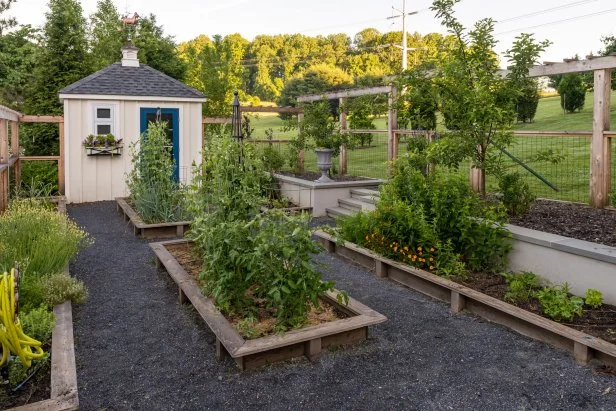
While functionality is important, aesthetics should not be overlooked. Use a variety of plant colors and textures to create visually appealing designs. Incorporate trellises, raised beds, and containers to maximize space and add visual interest.
Challenges and Solutions
Limited Space
One of the main challenges of edible landscaping in the city is limited space. To overcome this, consider vertical gardening techniques or utilize rooftops and balconies for planting. For budget-friendly homesteading tips, check out this guide.
Soil Quality
Urban soil may be contaminated or lack nutrients. Conduct soil tests and amend the soil with organic matter to improve fertility. Raised beds and container gardening can also be effective solutions for poor soil quality.
Pest Control
Dealing with pests can be a challenge in urban environments. Implement integrated pest management strategies, such as encouraging beneficial insects, using organic pesticides, and practicing crop rotation, to minimize pest problems.
Inspiring Examples of Urban Edible Landscapes
Many cities around the world have embraced the concept of edible landscaping. For instance, in Los Angeles, the Ron Finley Project transforms vacant lots into thriving community gardens. Similarly, the Incredible Edible initiative in Todmorden, UK, has created public spaces where residents can freely harvest fruits and vegetables.
Conclusion: Embrace Edible Landscaping
Incorporating edible landscaping in the city is a powerful way to transform urban spaces into productive and beautiful environments. By embracing this approach, individuals can contribute to sustainability, enhance their well-being, and foster community engagement. Whether you have a small balcony or access to a community garden, there are numerous opportunities to get involved in edible landscaping. So, why not start today and reap the benefits of growing your own food in the heart of the city?
FAQs
What are the best plants for urban edible landscaping?
Some of the best plants for urban edible landscaping include tomatoes, peppers, herbs, leafy greens, and berries. Choose plants that are well-suited to your local climate and growing conditions.
How can I start an edible landscape in a small space?
To start an edible landscape in a small space, consider vertical gardening, container gardening, and utilizing rooftops or balconies. These techniques maximize space and enable you to grow a variety of plants.
What are the benefits of community gardens?
Community gardens offer numerous benefits, including access to fresh produce, opportunities for social interaction and collaboration, and a sense of community. They also contribute to environmental sustainability and urban beautification.