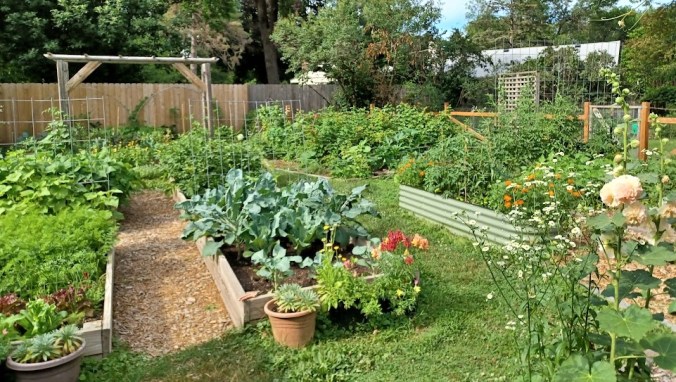
As the sun shines brightly and the days become longer, it’s the perfect time to focus on summer gardening tasks. Whether you’re a seasoned gardener or a budding homestead dreamer, these tasks are essential for maintaining a thriving and productive garden during the warmer months. In this article, we’ll explore various aspects of summer gardening, providing you with the knowledge and inspiration to transform your outdoor space into a lush oasis.
The Importance of Summer Gardening
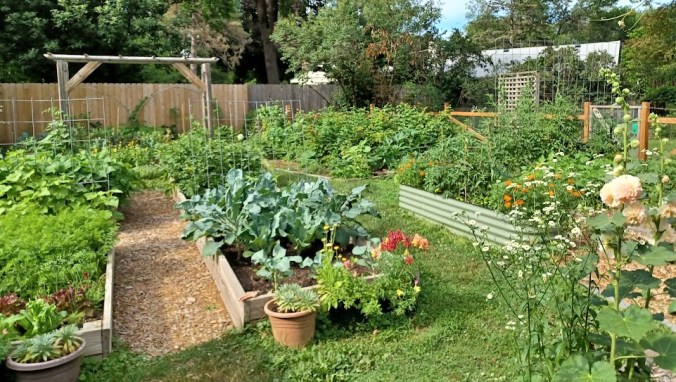
Summer is a critical season for your garden. The warmth and extended daylight hours encourage plant growth, but they also bring challenges such as pests, drought, and weeds. By focusing on summer gardening tasks, you can ensure that your garden remains healthy and productive. Frugal Living Tips can help you manage your garden efficiently without breaking the bank.
Preparing Your Garden for Summer
Soil Health and Fertility
Before diving into planting, it’s crucial to assess the soil health. Conducting a soil test will provide insights into the nutrient levels and pH balance, allowing you to amend the soil as needed. Adding organic matter like compost or well-rotted manure can enhance fertility and improve soil structure.
Choosing the Right Plants
Selecting plants suitable for summer conditions is vital for a successful garden. Opt for heat-tolerant varieties that thrive in your climate zone. Consider planting tomatoes, peppers, cucumbers, and herbs like basil and oregano. The right selection ensures a bountiful harvest.
Essential Summer Gardening Tasks
Watering Wisely
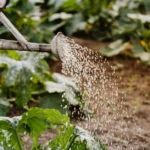
Proper watering is paramount during the summer months. Water deeply and less frequently to encourage deep root growth. Early morning or late evening watering reduces evaporation and ensures the plants have adequate moisture throughout the day.
Weed Management
Weeds compete with your plants for nutrients and water. Regularly inspect your garden and promptly remove weeds. Applying a layer of organic mulch can suppress weed growth and retain soil moisture.
Pest Control
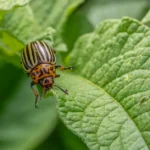
Summer brings an influx of garden pests. Monitor your plants for signs of infestation and employ natural pest control methods. Introducing beneficial insects like ladybugs or using neem oil can help keep pests at bay.
Maintaining Your Homestead Garden
Pruning and Deadheading
Regular pruning promotes healthy growth and improves air circulation. Remove dead or diseased branches and spent flowers to encourage continuous blooming. Proper pruning enhances the overall aesthetics of your garden.
Supporting Plant Growth
Provide adequate support for plants prone to sprawling or toppling over. Use stakes, cages, or trellises to keep them upright. This practice not only improves plant health but also makes harvesting easier.
Harvesting and Rotating Crops
Harvesting at the right time ensures the best flavor and quality of your produce. Regularly pick ripe fruits and vegetables to encourage further production. Additionally, practice crop rotation to prevent soil depletion and reduce pest buildup.
Advanced Gardening Techniques
Companion Planting
Companion planting is a strategic way to enhance plant growth and deter pests. Pair complementary plants that benefit each other, such as marigolds with tomatoes or beans with corn.
Soil Conservation
Implementing soil conservation practices is vital for sustainable gardening. Techniques like cover cropping and minimal tillage preserve soil structure and fertility.
Water Conservation
Conserving water is essential for both the environment and your garden’s health. Consider installing a rainwater harvesting system or using drip irrigation to minimize water usage.
Embracing Sustainability
Adopting sustainable gardening practices not only benefits your garden but also contributes to a healthier planet. Utilizing organic fertilizers, composting, and reducing chemical pesticides are steps towards an eco-friendly garden.
FAQs
What are the best plants to grow in summer?
Heat-tolerant plants like tomatoes, peppers, cucumbers, and herbs thrive in summer conditions.
How often should I water my garden in summer?
Water deeply and less frequently, ideally early in the morning or late in the evening.
What is companion planting?
Companion planting involves growing complementary plants together to enhance growth and deter pests.
Conclusion
Summer gardening tasks are essential for maintaining a vibrant and productive garden. By focusing on soil health, proper watering, pest control, and sustainable practices, you can transform your homestead into a flourishing oasis. Ready to dive deeper into Backyard Homesteading Ideas? Embrace the warmth of summer and enjoy the fruits of your labor.