In today’s fast-paced world, many dream of a simpler life, one that embraces the essence of minimalism and sustainability. Minimalist homesteading tips offer a pathway to achieving that dream, helping you cultivate a life that is both fulfilling and environmentally conscious.
Understanding the Concept of Minimalist Homesteading
At its core, minimalist homesteading is about blending the principles of minimalism with the practices of homesteading. It focuses on using fewer resources, reducing waste, and finding joy in simplicity. This approach not only benefits the environment but also enhances personal well-being.
Why Choose Minimalist Homesteading?
Choosing to embrace minimalist homesteading can significantly improve your quality of life. By focusing on what’s truly important, you can reduce stress, save money, and create a more sustainable lifestyle. It’s a journey towards self-sufficiency and contentment.
Essential Minimalist Homesteading Tips
Start Small and Simple
Begin your homesteading journey with small, manageable projects. This could be as simple as starting a small garden or raising a few chickens. The key is to avoid overwhelming yourself and to build confidence as you progress.
Embrace the Power of Decluttering
Decluttering is a fundamental aspect of minimalism. Clear out unnecessary items and focus on keeping only what adds value to your life. This practice not only frees up space but also instills a sense of peace and order.
Prioritize Sustainable Practices
Focus on sustainability by implementing practices such as composting, rainwater harvesting, and using renewable energy sources. These practices not only reduce your carbon footprint but also promote self-reliance.
Building a Minimalist Homestead
Designing a Simple Living Space
Your living space should reflect simplicity and functionality. Opt for designs that maximize natural light and ventilation. Use eco-friendly materials and keep decor minimal to create a serene environment.
Growing Your Own Food
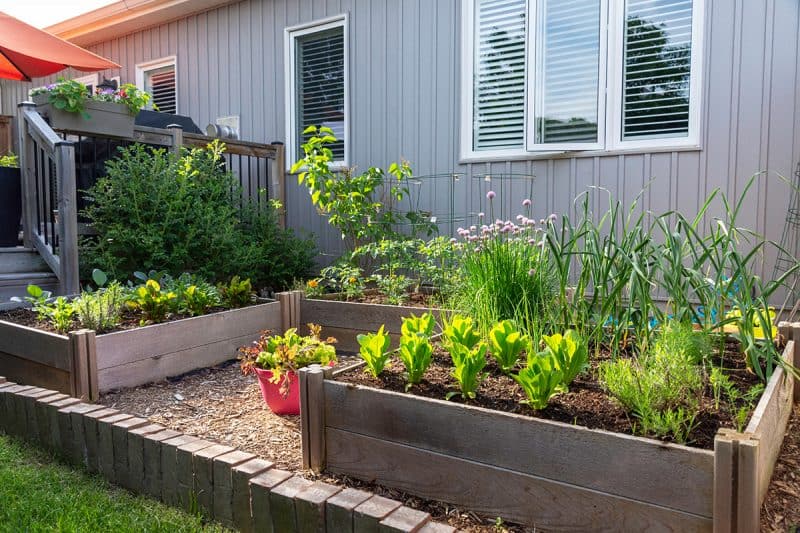
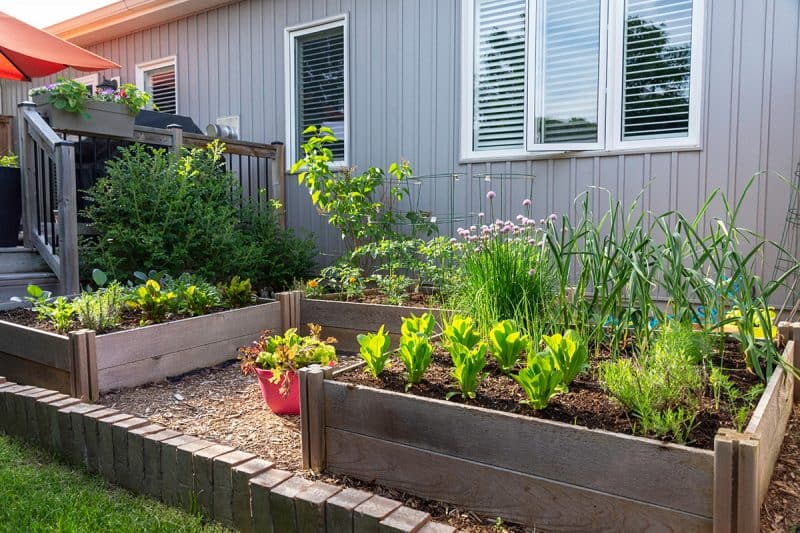
One of the joys of homesteading is growing your own food. Start with easy-to-grow vegetables and herbs. This not only provides fresh produce but also reduces dependency on store-bought items.
Raising Animals Sustainably
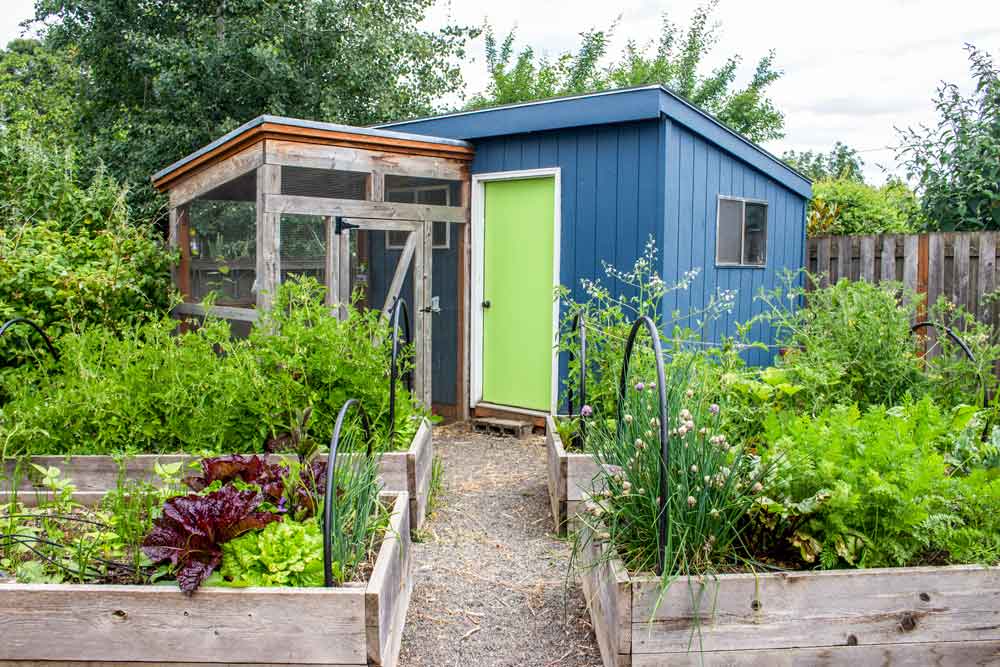
If you choose to raise animals, do so responsibly. Ensure they have adequate space, proper nutrition, and humane living conditions. Start small and expand as you gain experience and confidence.
Managing Resources Wisely
Water Conservation Techniques
Water is a precious resource. Implement techniques such as drip irrigation and rainwater harvesting to conserve water. These methods are both efficient and sustainable.
Energy Efficiency in the Homestead
Reduce energy consumption by using solar panels, energy-efficient appliances, and LED lighting. These steps not only lower utility bills but also contribute to a greener planet.
Waste Reduction and Recycling
Minimize waste by recycling and composting. Use biodegradable materials and avoid single-use plastics. These practices help in creating a zero-waste environment.
Community and Minimalist Homesteading
Collaborating with Fellow Homesteaders
Join local homesteading groups to share knowledge, resources, and support. Collaborative efforts can lead to innovative solutions and a stronger sense of community.
Sharing Resources and Skills
Exchange goods and skills with neighbors to promote a sense of interdependence. This not only strengthens community bonds but also reduces individual burdens.
Staying Informed and Inspired
Continuous Learning and Adaptation
Stay informed about new techniques and technologies in sustainable living. Adapt and evolve your practices to suit changing needs and circumstances.
Finding Inspiration in Nature
Nature is a constant source of inspiration. Spend time outdoors to recharge and gain perspective. Let the simplicity and beauty of nature guide your homesteading journey.
For more detailed insights and practical advice, explore resources like The Fun Sized Life and GroCycle.
Conclusion
Embarking on a minimalist homesteading journey is a rewarding endeavor that fosters a deep connection with nature and community. By implementing these minimalist homesteading tips, you can create a sustainable, fulfilling lifestyle that aligns with your values and aspirations. For more in-depth guidance, consider visiting trusted resources like frugal living tips and homesteading on a budget.
FAQs
What is minimalist homesteading?
Minimalist homesteading combines the principles of minimalism with homesteading practices, focusing on sustainability, simplicity, and self-sufficiency.
How can I start minimalist homesteading?
Start by simplifying your living space, growing your own food, and adopting sustainable practices such as composting and water conservation.
What are the benefits of minimalist homesteading?
Benefits include reduced stress, lower living costs, a smaller carbon footprint, and a deeper connection with nature and community.