Starting your own organic vegetable garden is a rewarding way to enjoy fresh, healthy produce right from your backyard or balcony. For beginners, learning how to grow organic vegetables at home can seem overwhelming, but with the right steps and a bit of patience, anyone can cultivate a thriving, chemical-free garden. This guide covers the essentials, from planning your space to harvesting your first crops, so you can experience the satisfaction of homegrown food.
Before diving into the practical steps, it’s helpful to explore related topics like how to preserve vegetables at home to make the most of your harvests. Understanding the basics of storage and preservation will help you enjoy your organic bounty longer.

Choosing the Right Location and Planning Your Garden
One of the first steps in growing vegetables organically is selecting a suitable spot. Most vegetables need at least six hours of direct sunlight daily. Look for a location that receives plenty of sun, has good air circulation, and is protected from strong winds. If you have limited space, raised beds or containers are excellent options for small yards or balconies.
Plan your garden layout based on the space available and the types of vegetables you want to grow. Group plants with similar water and sunlight needs together. Make sure to leave enough room between rows or containers for easy access and airflow, which helps prevent disease.
Preparing Organic Soil for Healthy Growth
Healthy, nutrient-rich soil is the foundation of any successful organic garden. Start by testing your soil to determine its pH and nutrient content. Most vegetables thrive in soil with a pH between 6.0 and 7.0. If your soil is too acidic or alkaline, you can amend it with natural materials like compost, lime, or sulfur.
Incorporate plenty of organic matter such as compost, aged manure, or leaf mold to improve soil structure, drainage, and fertility. Avoid synthetic fertilizers and pesticides, as these can harm beneficial soil organisms and reduce the overall health of your garden. Mulching with straw, grass clippings, or shredded leaves helps retain moisture and suppress weeds naturally.
Picking the Best Organic Vegetables for Beginners
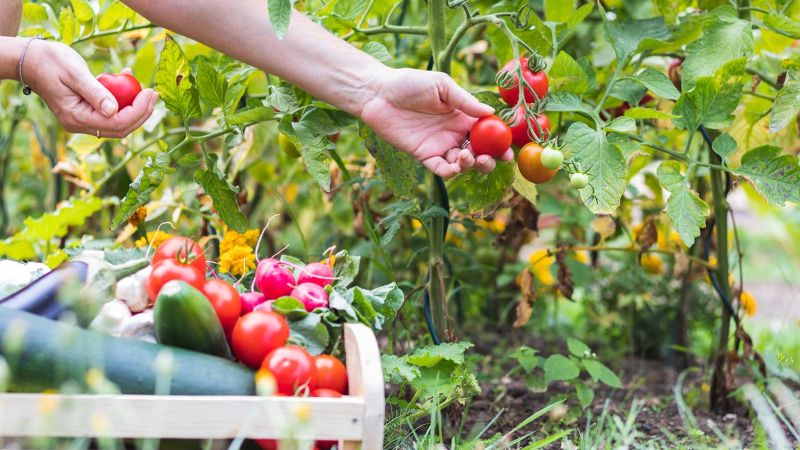
For those new to home gardening, it’s wise to start with vegetables that are easy to grow and maintain. Some beginner-friendly options include:
- Lettuce and leafy greens: Fast-growing and tolerant of cooler weather.
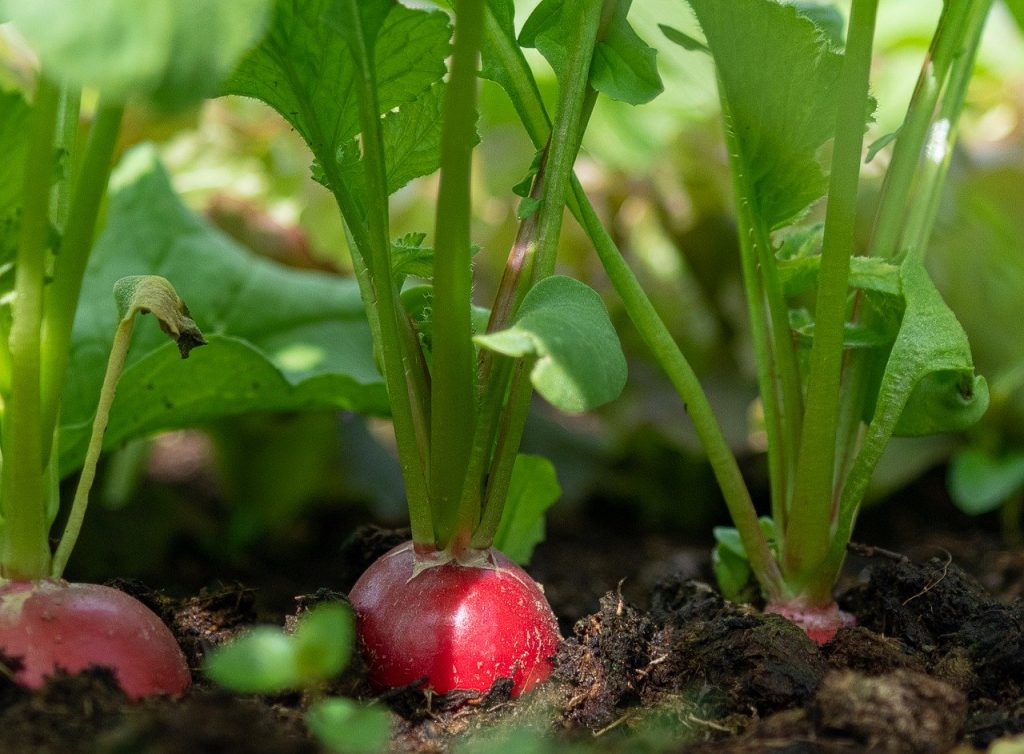
- Radishes: Quick to mature and require minimal care.
- Carrots: Thrive in loose, well-drained soil.
- Tomatoes: Popular and productive, especially in containers or raised beds.
- Beans and peas: Nitrogen-fixing plants that enrich the soil.
Choose organic, non-GMO seeds or seedlings from reputable sources. Look for varieties suited to your local climate and growing season. Stagger your plantings for a continuous harvest throughout the year.
Planting and Caring for Your Organic Garden
Follow the planting instructions on your seed packets or plant tags for proper spacing and depth. Water your garden consistently, aiming for deep, infrequent watering rather than shallow, frequent sprinkles. Using a soil moisture meter can help you avoid over- or under-watering, which is crucial for healthy root development.
Mulch around your plants to conserve moisture and keep weeds at bay. Hand-pull weeds regularly to prevent competition for nutrients. Rotate crops each season to reduce the risk of soil-borne diseases and pest buildup.
Natural Pest and Disease Management
One of the core principles of organic gardening is avoiding synthetic chemicals. Instead, use natural pest control methods such as:
- Encouraging beneficial insects like ladybugs and lacewings.
- Using floating row covers to protect young plants.
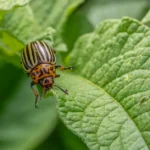
- Hand-picking pests or spraying with homemade solutions like diluted neem oil or insecticidal soap.
- Practicing crop rotation and interplanting to confuse pests and reduce disease spread.
Keep your garden clean by removing dead leaves and debris, which can harbor pests and diseases. Healthy plants are less susceptible to problems, so focus on building strong soil and providing adequate water and nutrients.
Harvesting and Storing Your Organic Produce
Knowing when and how to harvest is key to enjoying the best flavor and nutrition from your vegetables. Pick crops at their peak ripeness, usually in the morning when they are crisp and full of moisture. For specific crops, such as tomatoes or potatoes, check out detailed guides like when to harvest tomatoes or when to harvest potatoes for optimal timing and techniques.
After harvesting, handle your vegetables gently to avoid bruising. Store them in cool, dry conditions or use preservation methods to extend freshness. For more tips, see resources on how to extend vegetable shelf life and how to store fresh vegetables after harvest.
Tips for Success with Organic Home Gardening
- Start small and expand as you gain confidence and experience.
- Keep a gardening journal to track planting dates, weather, and results.
- Compost kitchen scraps and garden waste to create your own organic fertilizer.
- Stay observant—regularly check plants for signs of stress, pests, or disease.
- Connect with local gardeners or online communities for advice and support.
For additional beginner-friendly advice, you may find this beginner’s guide to creating a vegetable garden helpful for practical tips and troubleshooting.
Frequently Asked Questions
What are the easiest organic vegetables to grow at home?
Some of the simplest vegetables for beginners include lettuce, radishes, carrots, beans, and peas. These crops are generally low-maintenance and adapt well to a variety of growing conditions.
How can I keep pests away without using chemicals?
Encourage beneficial insects, use row covers, practice crop rotation, and apply natural remedies like neem oil or insecticidal soap. Keeping your garden clean and healthy is the best defense against pests.
Is it possible to grow organic vegetables in containers?
Yes, many vegetables thrive in containers. Use high-quality organic potting mix, ensure containers have good drainage, and choose compact or dwarf varieties for best results.
How often should I water my organic vegetable garden?
Water deeply and less frequently, aiming for about 1 inch per week depending on weather and soil conditions. A soil moisture meter can help you monitor and adjust watering as needed.
What should I do with surplus vegetables from my garden?
Preserve your harvest by canning, freezing, or drying. You can also share with friends, family, or local food banks. For more information, see guides on preserving and storing vegetables at home.