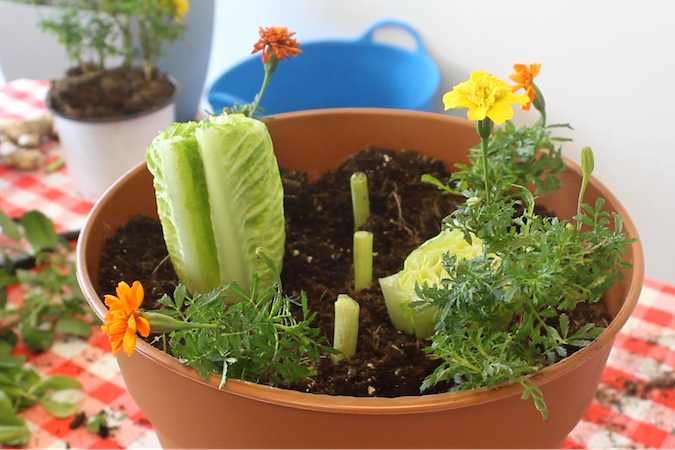
Urban living doesn’t have to mean giving up on fresh, homegrown produce. With a bit of planning and the right approach, anyone can enjoy a productive vegetable patch—even on a small balcony. This guide covers how to grow vegetables in balcony spaces, from choosing containers and soil to maximizing sunlight and maintaining healthy plants. Whether you’re a beginner or looking to optimize your current setup, you’ll find practical steps to help you start harvesting your own balcony-grown veggies.
Before diving into the setup process, it’s helpful to explore related techniques that can boost your success. For instance, learning how to trellis climbing vegetables can help you make the most of vertical space, a key strategy for small gardens.
Assessing Your Balcony for Vegetable Gardening
Every balcony is unique, so the first step is to evaluate your available space and conditions. Consider the following:
- Sunlight: Most vegetables need at least 6 hours of direct sunlight daily. Observe your balcony throughout the day to determine which areas get the most light.
- Wind Exposure: High-rise balconies can be windy, which may dry out plants quickly or damage delicate stems. Windbreaks like lattice panels or clear plastic can help protect your crops.
- Weight Limits: Check your building’s regulations and ensure your balcony can safely support the weight of containers, soil, and water.
- Accessibility: Make sure you can easily reach all your containers for watering, harvesting, and maintenance.
Once you understand your balcony’s microclimate, you can select the right vegetables and setup methods for your space.
Choosing Containers and Growing Medium
One of the most important aspects of how to grow vegetables in balcony settings is selecting suitable containers and soil. Here’s what to keep in mind:
- Container Size: Larger containers retain moisture better and provide more room for roots. Choose pots at least 12 inches deep for most vegetables. Raised planter beds are excellent for grouping plants and maximizing space.
- Drainage: Ensure all containers have drainage holes to prevent waterlogging and root rot.
- Material: Plastic, ceramic, and fabric pots are all suitable. Fabric grow bags are lightweight and easy to move.
- Soil: Use a high-quality potting mix formulated for vegetables. Avoid using garden soil, which can be too dense and may harbor pests or diseases.
Best Vegetables for Balcony Gardens
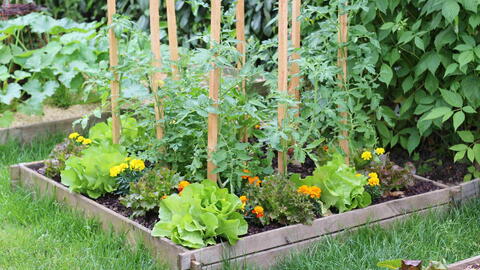
Not all vegetables thrive in containers, but many are well-suited to balcony conditions. For those learning how to grow vegetables in balcony environments, start with these reliable choices:
- Leafy greens: Lettuce, spinach, arugula, and kale grow quickly and don’t require deep soil.
- Herbs: Basil, parsley, cilantro, chives, and mint are compact and easy to manage.
- Tomatoes: Choose dwarf or cherry varieties for best results in pots. Use supports or cages for stability.
- Peppers: Both hot and sweet peppers adapt well to containers.
- Radishes and carrots: Select round or short-rooted varieties for shallow containers.
- Beans and peas: These climbers can be grown vertically with trellises or stakes.
For more on supporting vertical crops, see the guide on how to trellis climbing vegetables.
Arranging Your Balcony Vegetable Garden
Efficient layout is key to maximizing yield in a limited area. Here are some layout strategies:
- Group by Sun Needs: Place sun-loving plants in the brightest spots, and shade-tolerant ones where light is limited.
- Vertical Gardening: Use shelves, wall planters, and trellises to grow upward and free up floor space.
- Accessibility: Arrange containers so you can easily water and harvest without stepping over plants.
- Companion Planting: Pair compatible crops together to deter pests and boost growth.
Watering, Feeding, and Maintenance Tips
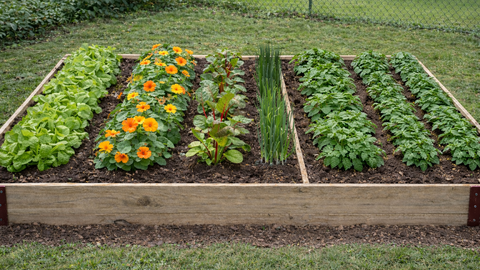
Container-grown vegetables have different needs than those in traditional gardens. Here’s how to keep your balcony crops healthy:
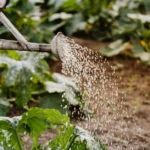
- Watering: Containers dry out faster, especially in sunny or windy conditions. Check soil moisture daily and water thoroughly when the top inch feels dry. Using a soil moisture meter can help prevent both overwatering and underwatering. For more details, see the guides on signs of overwatering plants and signs of underwatering plants.
- Feeding: Nutrients leach out of pots quickly. Use a balanced liquid fertilizer every 2–4 weeks, or mix slow-release granules into the soil at planting time.
- Pruning: Regularly remove yellowing leaves and spent flowers to encourage new growth. For best results, learn how to prune vegetable plants for maximum harvest.
- Supporting Plants: Stake or cage taller crops like tomatoes and beans to prevent breakage. For tips, see the article on how to stake tomato plants properly.
Pest and Disease Management in Small Spaces
Balcony gardens are less prone to some pests, but problems can still arise. Here’s how to keep your crops healthy:
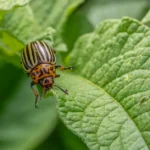
- Inspect Regularly: Check leaves and stems for signs of insects or disease. Remove affected parts promptly.
- Encourage Beneficial Insects: Attract pollinators and pest-eaters by growing flowers like marigolds or nasturtiums alongside your vegetables.
- Use Barriers: Fine mesh or row covers can protect young plants from pests.
- Practice Cleanliness: Remove fallen leaves and debris to reduce hiding spots for pests.
For a comprehensive overview of starting a vegetable garden, including pest management, see this step-by-step vegetable gardening guide.
Harvesting and Enjoying Your Balcony Vegetables
One of the joys of growing your own food is harvesting at peak ripeness. Here are some tips for a successful harvest:
- Pick Early and Often: Harvest leafy greens and herbs regularly to encourage new growth.
- Use Clean Tools: Always use clean scissors or pruners to avoid spreading disease.
- Monitor Maturity: Check seed packets for days to maturity and harvest when vegetables reach their ideal size and color.
With consistent care and attention, your balcony can provide a steady supply of fresh produce throughout the growing season.
Frequently Asked Questions
What are the easiest vegetables to grow on a balcony?
Leafy greens like lettuce and spinach, herbs such as basil and parsley, and compact crops like radishes and cherry tomatoes are among the easiest to grow in containers. These plants adapt well to limited space and don’t require deep soil.
How often should I water my balcony vegetable garden?
Container plants usually need watering once a day during hot weather, but always check the soil first. If the top inch is dry, it’s time to water. Using a soil moisture meter can help you avoid both overwatering and underwatering.
Can I grow root vegetables in balcony containers?
Yes, but choose varieties bred for containers, such as round carrots or small radishes. Use deep pots with loose, well-draining soil to allow roots to develop properly.