Keeping your garden healthy starts with understanding the needs of your plants, especially when it comes to watering. While water is essential, too much can be just as harmful as too little. Many gardeners unintentionally give their plants more water than they need, leading to a range of issues that can stunt growth or even kill the plant. Recognizing the signs of overwatering plants early can help you adjust your care routine and ensure your garden thrives.
Whether you’re a beginner or have years of experience, it’s easy to mistake symptoms of excess moisture for other problems. Before diving into the most common indicators, it’s helpful to know that overwatering can affect everything from root health to leaf color. If you’re also interested in avoiding other common gardening pitfalls, check out this guide on common mistakes in vegetable gardening for more tips.
Why Recognizing Overwatering Matters
Overwatering is one of the most frequent causes of plant stress and decline. Unlike underwatering, which is often easier to diagnose, too much moisture can quietly damage roots and soil structure before visible symptoms appear. Learning to spot the early warning signs helps prevent long-term damage and saves you time and money in the garden.
Common Symptoms of Excess Water in Plants
Below are seven key indicators that your plants may be receiving more water than they need. By watching for these clues, you can adjust your watering habits and help your plants recover quickly.
1. Yellowing Leaves
One of the most noticeable signs of overwatering plants is leaves turning yellow, especially on the lower part of the plant. While yellow leaves can also indicate nutrient deficiencies or other issues, excess water often causes them to wilt and drop prematurely. If you’re unsure whether yellowing is due to water or nutrients, you might find this resource on how to fix nutrient deficiencies in plants helpful.
2. Wilting Despite Wet Soil
It’s natural to assume that wilting means a plant needs more water, but if the soil is already moist, wilting is a red flag for overwatering. Roots need oxygen to function, and saturated soil suffocates them, causing the plant to droop even though there’s plenty of moisture present.

3. Root Rot and Mushy Roots
Roots affected by too much water often become brown, mushy, and emit a foul smell. Healthy roots should be firm and white. If you remove a plant from its pot and notice decaying roots, it’s a clear sign the plant has been sitting in waterlogged soil for too long.
4. Fungal Growth and Mold
Excess moisture creates the perfect environment for fungi and mold to thrive. You may notice white, fuzzy patches on the soil surface or even on the plant itself. This is a strong indication that the soil is staying wet for too long between waterings.
5. Edema (Blisters or Bumps on Leaves)
When roots absorb more water than the plant can transpire, cells can burst, causing blisters or bumps on the leaves. This condition, known as edema, is often overlooked but is a classic symptom of overwatering. The affected areas may eventually turn brown and corky.
6. Leaf Drop and Stunted Growth
Plants that are consistently overwatered may begin to drop leaves, especially older ones. Growth may also slow down or stop altogether. If your plant isn’t putting out new leaves or flowers as expected, check the soil moisture before adding more water.
7. Soil That Never Dries Out
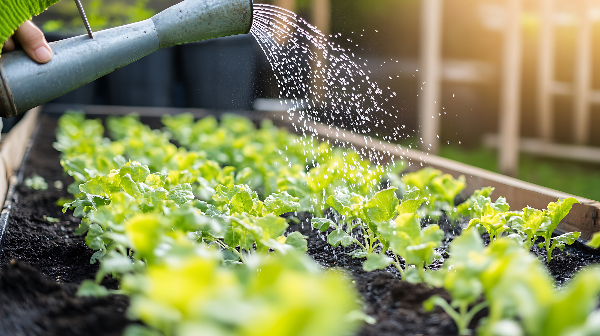
If the top inch or two of soil remains wet for days after watering, your plant is likely receiving more water than it can use. Consistently soggy soil prevents roots from accessing oxygen and can lead to a host of other problems, including root rot and fungal infections.
How to Prevent and Fix Overwatering Issues
Once you’ve identified the symptoms, there are several steps you can take to help your plants recover:
- Check soil moisture before watering. Use your finger or a moisture meter to ensure the soil is dry at least an inch below the surface.
- Improve drainage by using pots with holes or amending garden beds with organic matter.
- Water less frequently and adjust your schedule based on the season and weather conditions.
- Remove affected leaves and trim away any rotten roots to prevent the spread of disease.
- Consider raised beds for better drainage, especially in areas with heavy rainfall.
For those new to gardening, resources like vegetable gardening for beginners can provide additional guidance on watering and plant care.
Tips for Watering Plants the Right Way
Proper watering is about consistency and observation. Here are a few best practices to keep in mind:
- Water early in the morning to reduce evaporation and fungal risk.
- Focus water at the base of the plant rather than on the leaves.
- Adjust watering frequency based on plant type, soil, and climate.
- Use mulch to help retain moisture and regulate soil temperature.
- Install a drip irrigation system for more precise control—learn more in this how to install drip irrigation system tutorial.
Frequently Asked Questions
How can I tell if my plant is overwatered or underwatered?
Overwatered plants often have yellowing leaves, wilting despite wet soil, and may develop root rot or mold. Underwatered plants typically have dry, crispy leaves and soil that pulls away from the pot’s edges. Checking soil moisture is the best way to confirm the cause.
Can overwatered plants recover?
Yes, many plants can bounce back if you catch the problem early. Remove the plant from soggy soil, trim away any rotten roots, and let the soil dry out before watering again. Improving drainage and adjusting your watering routine will help prevent recurrence.
What should I do if my plant has root rot?
Remove the plant from its pot, cut away all affected roots, and replant in fresh, well-draining soil. Disinfect any tools used and avoid watering until the soil is dry to the touch. For more on plant health, see why leaves turn yellow on plants and how to address it.
Conclusion
Understanding the signs of overwatering plants is crucial for maintaining a healthy garden. By staying alert to changes in leaf color, soil condition, and overall plant vigor, you can make timely adjustments to your watering routine. Remember, most plants prefer to dry out a bit between waterings, and good drainage is key. With these tips, you’ll be better equipped to keep your plants thriving and avoid the pitfalls of excess moisture.