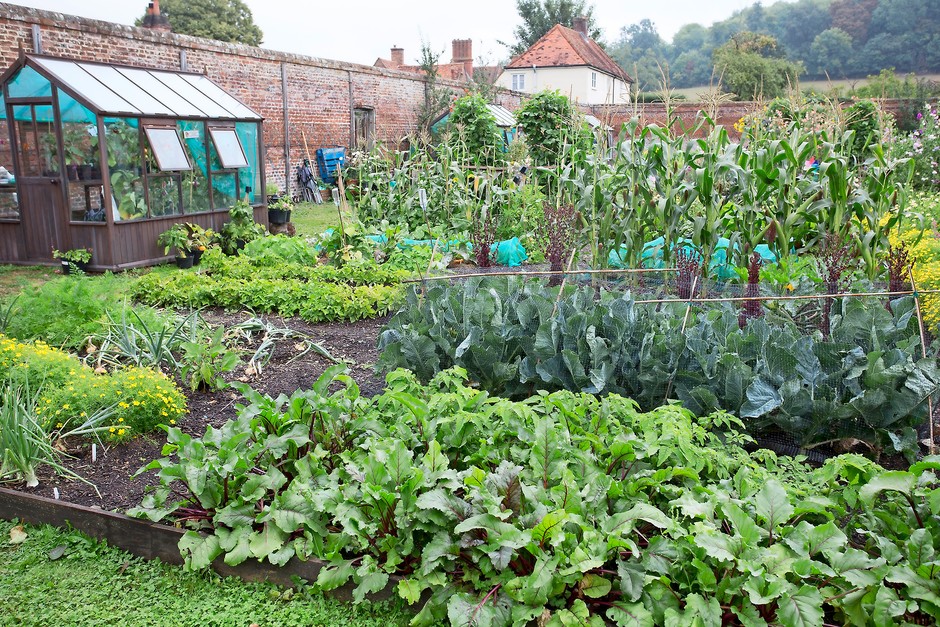
Healthy, productive soil is the foundation of any successful garden or farm. Boosting soil fertility using natural methods not only leads to stronger, more resilient crops, but also helps maintain long-term sustainability for your land. Whether you’re growing vegetables, fruits, or grains, understanding how to improve soil fertility naturally can make a significant difference in your harvests and the health of your ecosystem.
This guide explores practical, eco-friendly strategies to enrich your soil, support plant growth, and reduce reliance on synthetic fertilizers. By focusing on organic amendments, crop rotation, and mindful gardening practices, you can nurture fertile ground season after season.
Before diving into specific techniques, it’s helpful to understand the basics of soil health. If you’re planning a new vegetable patch, you might also want to review how to space vegetable plants correctly to maximize your garden’s potential.
Understanding Natural Soil Fertility
Soil fertility refers to the soil’s ability to provide essential nutrients and a suitable environment for plant growth. Naturally fertile soils are rich in organic matter, teeming with beneficial microbes, and have a balanced structure that allows roots to access water and air. Unlike synthetic fertilizers, natural methods work with the soil’s biology, improving its health over time rather than offering a quick, temporary boost.
Key components of fertile soil include:
- Organic matter (such as compost or decomposed plant material)
- Beneficial microorganisms (bacteria, fungi, earthworms)
- Balanced nutrients (nitrogen, phosphorus, potassium, and trace minerals)
- Good soil structure and drainage
Adding Organic Matter for Lasting Results
One of the most effective ways to increase soil fertility naturally is by incorporating organic materials. These amendments improve soil texture, boost microbial activity, and slowly release nutrients as they break down.
- Compost: Homemade or purchased compost is a powerhouse for soil improvement. Spread a 1–2 inch layer over your beds each season and gently mix it into the topsoil.
- Well-rotted manure: Animal manure (from herbivores like cows, horses, or chickens) adds nutrients and organic matter. Always use aged manure to avoid burning plants.
- Leaf mold: Decomposed leaves create a rich, crumbly material that enhances soil structure and water retention.
- Green manure: Growing cover crops such as clover, vetch, or rye and turning them into the soil adds nitrogen and organic content.
Crop Rotation and Companion Planting
Rotating crops and using companion planting are time-tested ways to keep soil healthy and productive. These practices help prevent nutrient depletion, break pest and disease cycles, and can even enhance nutrient availability.
- Crop rotation: Change the location of plant families each year. For example, follow heavy feeders like tomatoes with legumes (beans or peas) that fix nitrogen.
- Companion planting: Pairing certain plants together can naturally deter pests and improve nutrient uptake. For instance, planting beans with corn and squash (the “Three Sisters” method) supports soil fertility and plant health.
For more on starting your own vegetable garden, see these beginner tips for vegetable gardening from gardening experts.
Mulching for Moisture and Nutrient Retention
Applying mulch is a simple yet powerful way to boost soil fertility naturally. Organic mulches, such as straw, wood chips, or shredded leaves, break down over time, adding nutrients and improving soil structure. Mulching also helps regulate soil temperature, suppress weeds, and retain moisture—reducing the need for frequent watering.
Spread a 2–3 inch layer of mulch around your plants, keeping it a few inches away from stems to prevent rot. As the mulch decomposes, replenish it to maintain coverage and continue feeding your soil.
Encouraging Soil Life and Microbial Activity
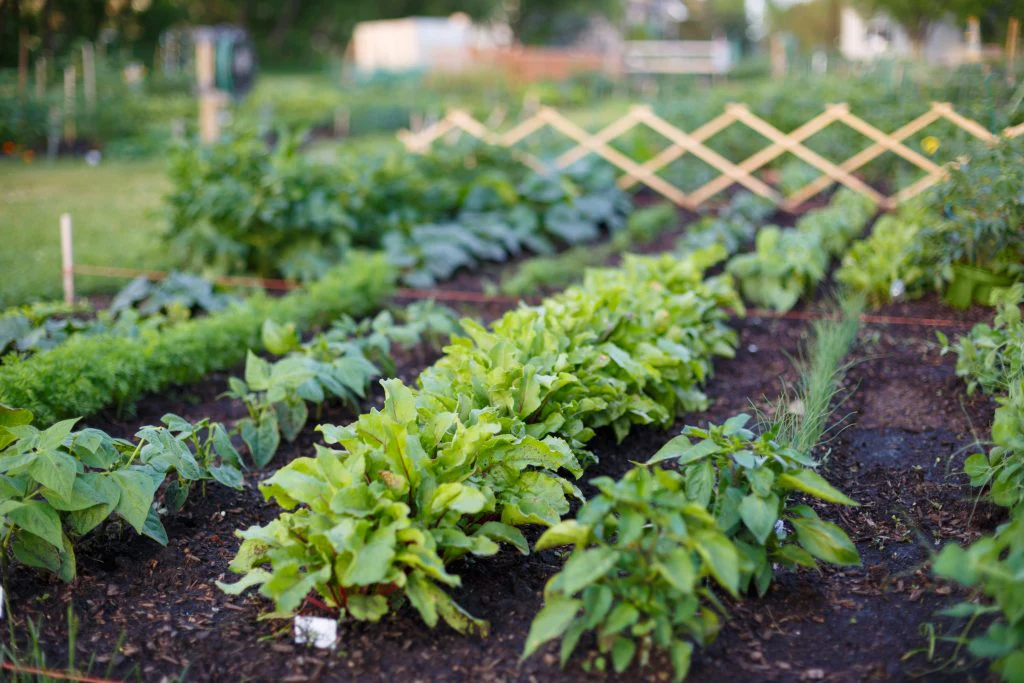
Soil is alive with countless organisms that help break down organic matter, cycle nutrients, and protect plants from disease. Encouraging this living network is key to naturally improving soil fertility.
- Avoid over-tilling: Excessive tilling disrupts soil structure and harms beneficial microbes and earthworms. Practice minimal or no-till gardening when possible.
- Limit chemical use: Synthetic fertilizers and pesticides can harm soil organisms. Opt for organic solutions and integrated pest management.
- Keep soil covered: Bare soil is prone to erosion and nutrient loss. Use cover crops, mulch, or living ground covers to protect and feed the soil year-round.
Testing and Monitoring Soil Health
Regularly assessing your soil’s condition helps you make informed decisions about amendments and planting. Simple at-home soil tests can reveal pH, nutrient levels, and organic matter content. For more detailed analysis, consider sending samples to a local extension service or agricultural lab.
Monitoring moisture is also important. Overwatering or underwatering can impact nutrient availability and root health. A soil moisture meter can help you maintain optimal conditions for your crops.
Additional Tips for Sustainable Soil Management
- Water wisely: Water deeply and less frequently to encourage deep root growth and reduce runoff.
- Plant diverse crops: Diversity above ground leads to diversity below ground, supporting a wider range of soil organisms.
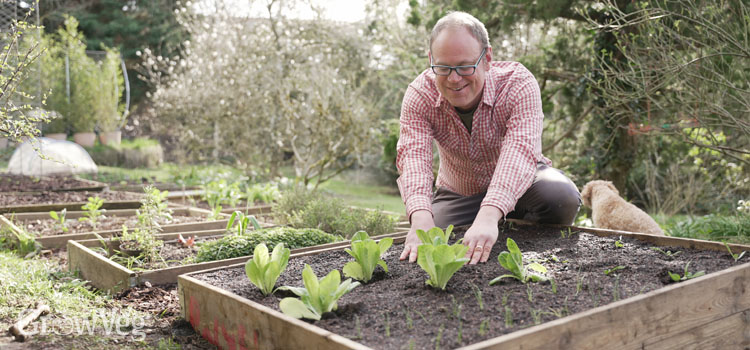
- Use raised beds: Raised beds can improve drainage, prevent compaction, and make it easier to add organic matter. They’re especially useful in areas with poor native soil.
- Start with quality seeds and seedlings: Healthy plants are better able to utilize soil nutrients and resist stress. For advice, check out these seed starting tips for beginners.
Frequently Asked Questions
What are the best natural amendments for boosting soil fertility?
Compost, well-rotted manure, leaf mold, and green manure crops are among the top choices. These materials add nutrients, improve soil structure, and support beneficial microbes, all of which contribute to better plant growth.
How often should I add organic matter to my garden beds?
It’s a good practice to add compost or other organic amendments at least once a year, ideally in early spring or fall. For heavy-feeding crops, consider supplementing with additional compost mid-season.
Can I improve poor soil without using synthetic fertilizers?
Yes, natural methods such as adding organic matter, practicing crop rotation, mulching, and encouraging soil life can significantly enhance even poor soils over time. Patience and consistency are key to building lasting fertility.
Conclusion
Improving your soil’s fertility using natural methods is a rewarding investment in your garden’s future. By focusing on organic amendments, crop diversity, and sustainable practices, you’ll create a thriving environment for your crops and support the long-term health of your land. For more gardening advice, explore topics like how to transplant seedlings safely or learn about the best seed starting mix for vegetables to give your plants the best start possible.