Transplanting young plants is a critical step in gardening that can determine the success of your vegetable patch or flower bed. Many gardeners worry about damaging delicate roots or causing transplant shock, which can set back growth or even kill seedlings. Learning how to transplant seedlings safely helps ensure your plants thrive in their new environment and continue growing strong.
This guide covers the best practices for moving seedlings from trays or pots into the ground or raised beds, with a focus on minimizing root disturbance and stress. Whether you’re a beginner or have some experience, following these steps will help you avoid common mistakes and give your plants the best possible start.
For more advice on spacing your plants for optimal growth after transplanting, see how to space vegetable plants correctly.
Why Seedlings Experience Transplant Shock
Transplant shock occurs when young plants are moved and their roots are disturbed or exposed to new environmental conditions. This stress can cause wilting, slowed growth, or even death. The main causes include:
- Root damage during removal from trays or pots
- Sudden changes in temperature, sunlight, or humidity
- Inadequate watering before and after transplanting
- Poor soil contact with roots in the new location
Understanding these factors is the first step in learning how to transplant seedlings safely and ensuring a smooth transition for your plants.
Preparing Seedlings for Transplanting
Proper preparation can greatly reduce the risk of shock. Here are essential steps to get your seedlings ready:
- Harden Off Seedlings: About 7–10 days before transplanting, gradually expose your plants to outdoor conditions. Start with a few hours in a sheltered spot, then increase sunlight and wind exposure each day.
- Water Thoroughly: Ensure seedlings are well-watered a few hours before moving them. Moist soil holds together better, protecting roots during the move.
- Check Root Development: Seedlings should have several true leaves and a healthy root system that holds the soil together when gently removed from the pot or tray.
For more tips on starting seeds and avoiding early mistakes, check out these seed starting tips for beginners.
Choosing the Right Time and Place
Timing and location are crucial for safe transplanting:
- Transplant on a Cloudy Day or Late Afternoon: This reduces sun stress and gives seedlings time to adjust before facing full sunlight.
- Soil Temperature: Wait until the soil is warm enough for your crop. Cold soil can shock tender roots and stunt growth.
- Well-Prepared Beds: Loosen the soil, remove weeds, and add compost to ensure good drainage and nutrients.
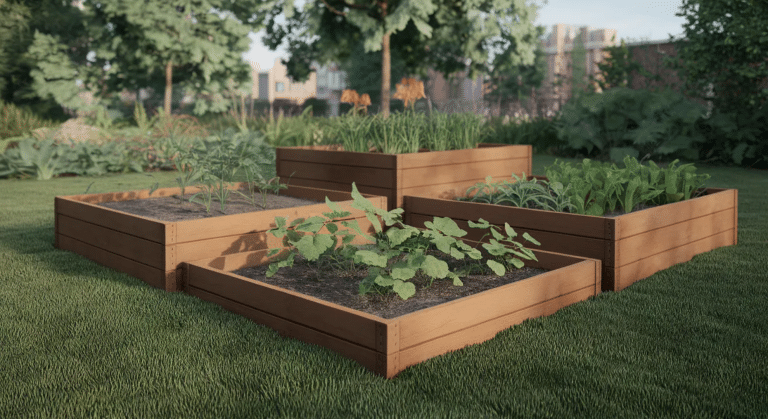
Raised beds are an excellent option for transplanting, offering better soil control and drainage. If you’re considering this approach, you might want to learn how to start a small vegetable garden for more inspiration.
Step-by-Step Guide: Moving Seedlings Without Root Shock
Follow these steps to move your seedlings with minimal risk:
- Water Beforehand: Water the seedlings and the planting area thoroughly. Moist soil protects roots and helps them settle quickly.
- Gently Remove Seedlings: Use a spoon, popsicle stick, or small trowel to lift seedlings from below. Avoid pulling by the stem, as this can cause damage.
- Keep Roots Intact: Try to move each seedling with as much soil around the roots as possible. This soil ball acts as a buffer and reduces shock.
- Plant at the Right Depth: Place seedlings in holes deep enough to cover the root ball. For tomatoes, you can bury part of the stem to encourage more root growth.
- Firm the Soil: Gently press the soil around the roots to eliminate air pockets, ensuring good contact for water uptake.
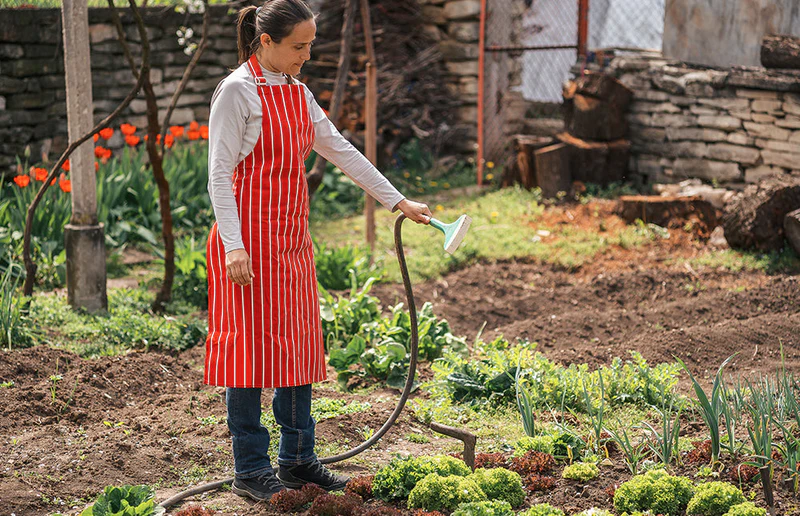
- Water Again: Give each transplant a gentle but thorough watering to settle the soil and hydrate the roots.
Aftercare: Helping Seedlings Settle In
Proper aftercare is just as important as the transplant itself. Here’s how to help your seedlings recover and thrive:
- Shade New Transplants: Use row covers, shade cloth, or even overturned pots to protect seedlings from intense sun during the first few days.
- Maintain Moisture: Keep the soil consistently moist but not waterlogged. A soil moisture meter can help you avoid over- or under-watering.
- Mulch: Apply a thin layer of mulch around the base of each plant to retain moisture and regulate soil temperature.
- Monitor for Stress: Watch for signs of wilting, yellowing, or stunted growth. If you notice problems, check soil moisture and consider providing extra shade or water.
For more seasonal advice, see these summer vegetable gardening tips to keep your garden healthy as the weather warms up.
Common Mistakes to Avoid When Moving Seedlings
Even experienced gardeners can make errors when relocating young plants. Here are some common pitfalls and how to avoid them:
- Transplanting Too Early: Wait until seedlings are sturdy and outdoor conditions are suitable.
- Damaging Roots: Always handle by the leaves or soil ball, not the stem.
- Skipping Hardening Off: Sudden exposure to outdoor conditions can shock tender plants.
- Planting Too Deep or Too Shallow: Match the depth of the seedling’s original container, unless the plant benefits from deeper planting (like tomatoes).
- Neglecting Watering: Both overwatering and underwatering can cause stress. Monitor soil moisture closely in the first week.
FAQ
How can I tell if my seedlings are ready to be transplanted?
Seedlings are ready when they have at least two sets of true leaves, a healthy root system that holds the soil together, and have been hardened off for about a week. Avoid moving plants that are still small or leggy, as they’re more vulnerable to shock.
What should I do if my seedlings wilt after transplanting?
Some wilting is normal as plants adjust. Keep the soil moist, provide temporary shade, and avoid disturbing the roots further. Most healthy seedlings recover within a few days if cared for properly.
Is it better to transplant in the morning or evening?
Late afternoon or early evening is generally best. This timing gives seedlings a chance to recover overnight before facing direct sunlight, reducing the risk of shock and dehydration.
Conclusion
Mastering how to transplant seedlings safely is a valuable skill for any gardener. By preparing your plants, choosing the right time, handling roots gently, and providing attentive aftercare, you can minimize transplant shock and set your garden up for success. Remember to monitor your plants closely in the days after moving them and adjust care as needed. With these steps, your seedlings will have the best chance to flourish in their new home.