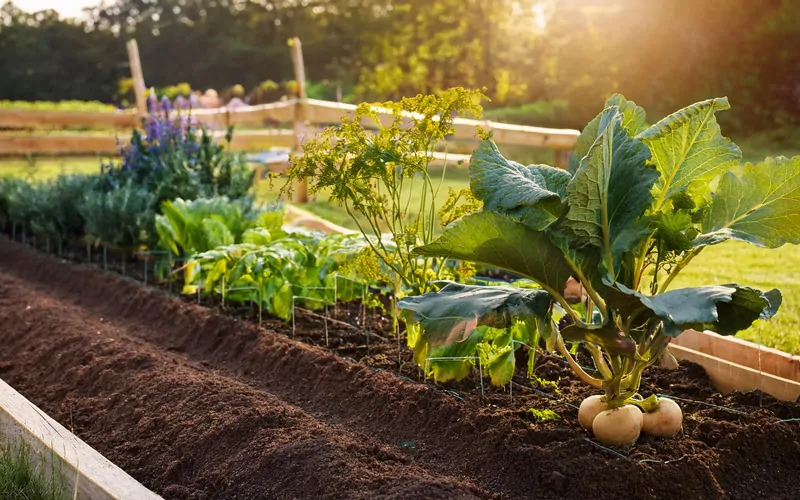
Eggplants are a rewarding addition to any home garden, offering glossy fruits that thrive in warm climates and well-tended beds. For those just starting out, knowing how to grow eggplant at home can make the difference between a bountiful harvest and a disappointing season. With the right preparation, care, and a few practical tips, even beginners can enjoy healthy, productive plants.
This guide covers everything you need to know, from choosing the best varieties to harvesting your first crop. If you’re interested in expanding your vegetable garden further, you might also enjoy reading about how to grow cabbage step by step for more beginner-friendly advice.
Choosing the Right Eggplant Variety for Your Garden
There are many types of eggplants, each with unique shapes, colors, and flavors. For home gardeners, classic varieties like ‘Black Beauty’ or ‘Ichiban’ are popular for their reliability and productivity. Compact or dwarf types are ideal for small spaces or container gardening. When selecting seeds or seedlings, look for disease-resistant options and consider your local climate to ensure the best results.
Preparing the Soil and Garden Bed
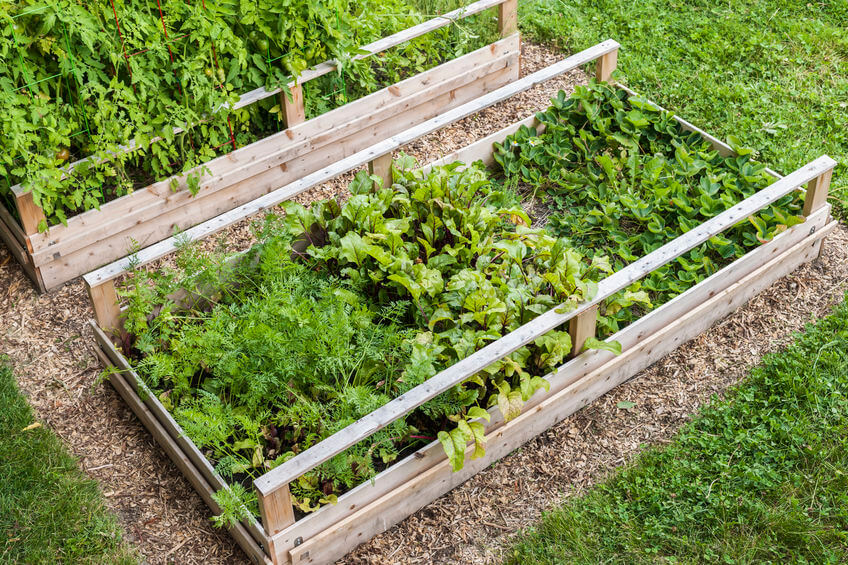
Eggplants thrive in fertile, well-drained soil with a pH between 5.8 and 6.5. Before planting, enrich your garden bed with plenty of compost or well-rotted manure. Raised beds can be especially helpful for beginners, as they provide excellent drainage and make it easier to control soil quality. If you’re new to raised beds, you can find helpful resources like beginner vegetable gardening guides to get started.
Starting Eggplants from Seed or Seedlings
For those eager to learn how to grow eggplant at home from scratch, starting from seed is a cost-effective option. Begin seeds indoors 8-10 weeks before your last expected frost. Use a seed tray filled with quality potting mix, and keep the soil consistently moist and warm (around 75–85°F or 24–29°C) for optimal germination. Once seedlings have at least two sets of true leaves and nighttime temperatures stay above 55°F (13°C), harden them off by gradually exposing them to outdoor conditions before transplanting.
If you prefer a quicker start, purchase healthy seedlings from a local nursery. Check for strong stems and vibrant leaves, avoiding any with signs of disease or pests.
Planting and Spacing for Healthy Growth
Eggplants need plenty of space and sunlight. Choose a location that receives at least 6–8 hours of direct sun daily. Space plants 18–24 inches apart in rows that are 24–36 inches apart to allow for good air circulation and easy access. Plant seedlings slightly deeper than they were in their pots, and water thoroughly after planting.
Watering, Feeding, and Mulching Tips
Consistent moisture is key to successful eggplant cultivation. Water deeply at the base of each plant, aiming for about 1–1.5 inches per week. Avoid overhead watering to reduce the risk of fungal diseases. Using a soil moisture meter can help you maintain the right balance—neither too dry nor waterlogged.
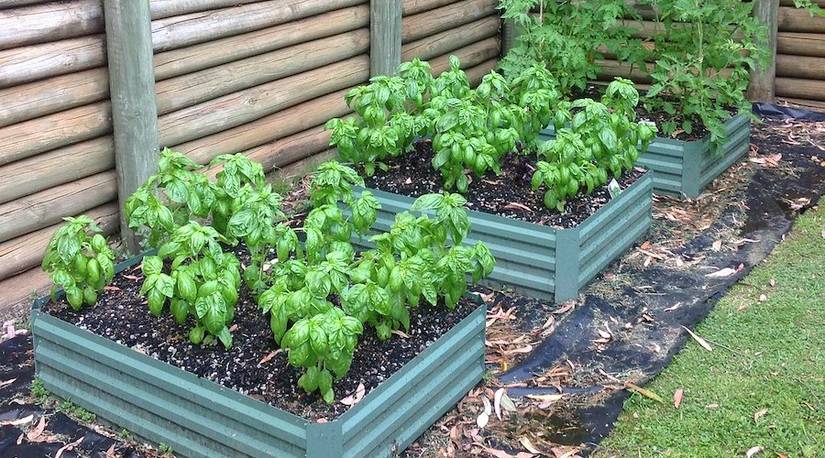
Apply a balanced fertilizer when planting and again when fruits begin to set. Organic options like compost tea or fish emulsion are gentle and effective. Mulching with straw or shredded leaves helps retain soil moisture, suppress weeds, and keep roots cool during hot spells.
Supporting and Pruning for Maximum Yield
As eggplants grow, their branches can become heavy with fruit. Use stakes or cages to support the plants and prevent stems from breaking. Prune away any lower leaves that touch the soil and remove small, misshapen fruits to encourage larger, healthier ones. Regularly check for pests such as flea beetles and aphids, and use organic controls if needed.
If you’re interested in growing other vegetables in small spaces, you might also like the guide on how to grow beans in small gardens for more space-saving ideas.
Harvesting and Storing Your Eggplants
Eggplants are ready to harvest when their skin is glossy and the fruit feels firm. Overripe fruits become dull and seedy, so check your plants regularly. Use sharp scissors or pruners to cut the fruit with a short stem attached. Handle with care to avoid bruising.
Store harvested eggplants in a cool, dry place and use them within a week for the best flavor. If you have a bumper crop, consider preserving them by freezing, pickling, or making sauces.
Common Problems and How to Solve Them
Eggplants can be affected by pests like flea beetles, spider mites, and aphids. Row covers, regular inspection, and organic sprays such as neem oil can help manage these issues. Diseases like verticillium wilt or powdery mildew are less common in well-drained, healthy soil. Rotate crops each year and avoid planting eggplants where tomatoes, peppers, or potatoes grew the previous season to reduce disease risk.
For those interested in expanding their gardening skills, check out the step-by-step guide on how to grow garlic at home for more practical tips.
Frequently Asked Questions
How long does it take for eggplants to grow from seed to harvest?
Eggplants typically take 70–85 days from transplanting to produce mature fruit. If starting from seed, add an extra 6–8 weeks for indoor germination and seedling growth before moving them outdoors.
Can eggplants be grown in containers?
Yes, eggplants do well in large containers (at least 5 gallons per plant) with good drainage and high-quality potting mix. Choose compact varieties for the best results and ensure the container receives plenty of sunlight.
Why are my eggplants not setting fruit?
Poor fruit set can be caused by high temperatures, lack of pollinators, or inconsistent watering. Ensure your plants are well-watered, provide afternoon shade during heat waves, and gently shake flowers to encourage pollination if needed.
What companion plants work well with eggplants?
Eggplants grow well alongside beans, peppers, spinach, and marigolds. Avoid planting them near fennel or potatoes, as these can compete for nutrients or increase disease risk.
How do I know when to pick eggplants?
Harvest when the fruit is glossy, firm, and reaches the mature size for its variety. If the skin turns dull or the flesh feels spongy, the fruit is overripe.
With these practical tips and a little patience, you’ll soon enjoy a productive eggplant patch right in your own backyard. For more home gardening inspiration, explore guides like how to grow chili peppers easily or how to grow ginger in pots to keep your garden growing all season long.