Embracing organic vegetable gardening means cultivating healthy, delicious produce without relying on synthetic chemicals. Whether you’re new to gardening or looking to transition to more sustainable practices, learning how to grow vegetables organically can transform your garden and your table. This guide covers the essentials for a thriving, chemical-free vegetable patch, from soil preparation to pest management and harvesting tips.
For those working with limited space, you might also find these beginner gardening tips for small yards helpful as you plan your organic garden setup.

Why Choose Organic Methods for Your Vegetable Garden?
Organic gardening focuses on building a healthy ecosystem in your backyard. By avoiding synthetic fertilizers and pesticides, you protect pollinators, improve soil health, and grow vegetables that are safe for your family and the environment. This approach also encourages biodiversity, fosters natural pest control, and supports long-term sustainability.
Preparing the Soil for Organic Vegetable Growth
The foundation of any successful organic garden is nutrient-rich soil. Healthy soil supports vigorous plant growth, helps retain moisture, and reduces the risk of disease. Start by removing weeds and debris from your chosen site. If you’re gardening in containers or raised beds, consider using the best soil mix for growing vegetables to ensure optimal conditions.
- Add compost: Incorporate well-rotted compost or aged manure to boost organic matter and beneficial microbes.
- Test soil pH: Most vegetables thrive in soil with a pH between 6.0 and 7.0. Adjust as needed using natural amendments like lime or sulfur.
- Mulch: Apply a layer of organic mulch (straw, leaves, or grass clippings) to retain moisture and suppress weeds.
For a step-by-step approach to enriching your soil, check out this guide on how to compost kitchen waste for gardening.
Choosing the Right Vegetables for Organic Gardening
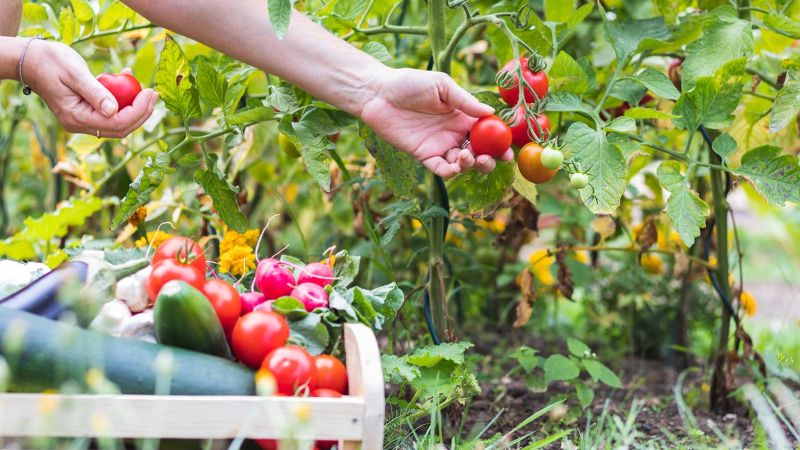
Selecting vegetables that are well-suited to your climate and soil conditions makes organic gardening easier and more productive. Heirloom and open-pollinated varieties often perform well in organic systems, as they adapt better to local conditions and resist pests naturally. Consider starting with easy crops like lettuce, radishes, beans, and tomatoes.
- Check seed sources: Purchase certified organic seeds whenever possible to ensure they haven’t been treated with chemicals.
- Rotate crops: Change planting locations each season to prevent soil-borne diseases and nutrient depletion.
- Companion planting: Grow plants together that benefit each other, such as basil with tomatoes or carrots with onions.
Watering and Mulching: Key Practices for Organic Success
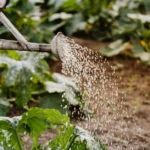
Consistent, deep watering is crucial for healthy vegetables, especially when avoiding chemical fertilizers. Use rainwater when possible, and water early in the morning to minimize evaporation. Mulching helps conserve soil moisture, regulate temperature, and reduce weed competition.
For more details on keeping your garden hydrated, see this resource on how often to water a vegetable garden.
Natural Pest and Disease Management
One of the biggest challenges in chemical-free vegetable gardening is managing pests and diseases without synthetic sprays. Focus on prevention and use natural solutions:
- Encourage beneficial insects: Ladybugs, lacewings, and predatory beetles help control aphids and other pests.
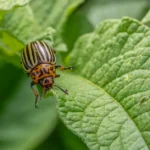
- Hand-pick pests: Regularly inspect plants and remove caterpillars, beetles, or eggs by hand.
- Use barriers: Floating row covers and netting can protect crops from insects and birds.
- Apply organic sprays: Neem oil, insecticidal soap, and homemade garlic or chili sprays can deter common pests.
Crop rotation and proper spacing also help prevent the buildup of diseases. Remove and destroy infected plants promptly to stop the spread.
Feeding Your Plants the Organic Way
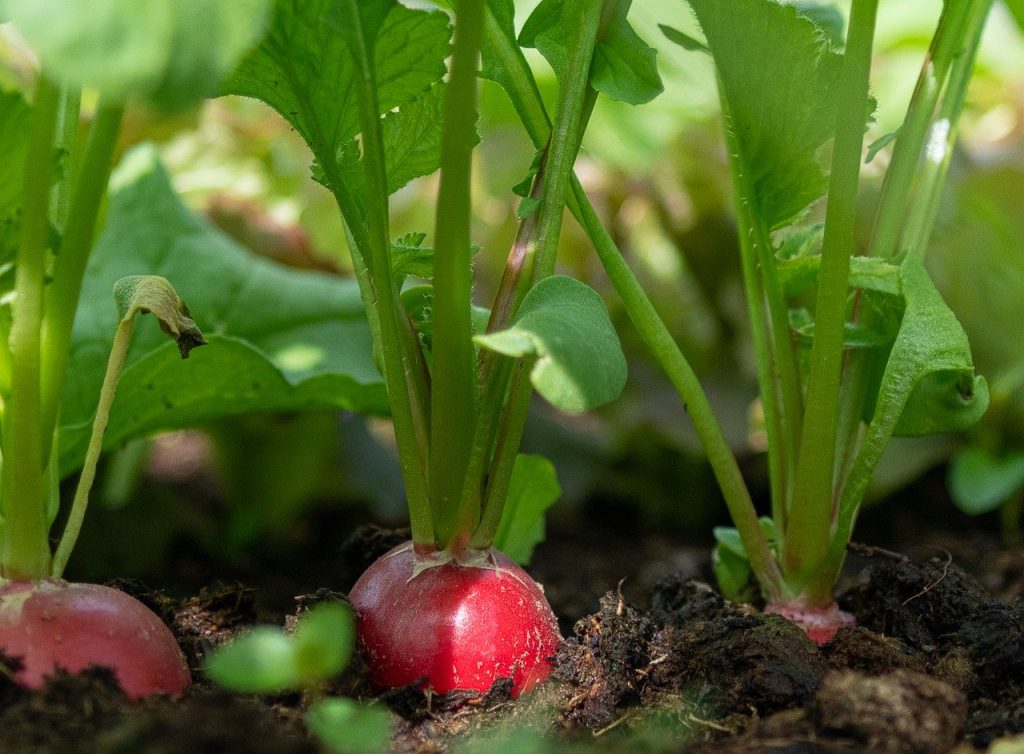
Instead of synthetic fertilizers, organic gardens rely on natural amendments to nourish plants. Compost, worm castings, seaweed extract, and fish emulsion are excellent choices. Apply these materials according to plant needs and growth stages. Regularly top up mulch and compost to maintain soil fertility throughout the season.
Harvesting and Maintaining Your Organic Vegetable Patch
Pick vegetables at their peak ripeness for the best flavor and nutrition. Frequent harvesting encourages more production, especially for crops like beans, zucchini, and leafy greens. Keep the garden tidy by removing spent plants and adding them to your compost pile. Rotate crops each year and replenish soil with organic matter to ensure ongoing productivity.
Expanding Your Knowledge and Community
Learning from experienced gardeners and reputable resources can help you refine your organic gardening skills. For a comprehensive overview, the beginner’s guide to creating a vegetable garden offers practical advice and community support for those starting out.
As you gain confidence, try new crops, experiment with different composting methods, and share your successes with others. Organic gardening is a journey that rewards patience, observation, and a willingness to learn from nature.
Frequently Asked Questions
What are the best vegetables to start with for organic gardening?
Leafy greens like lettuce and spinach, root crops such as radishes and carrots, and fast-growing beans are ideal for beginners. These plants are generally hardy, quick to mature, and less prone to pest issues, making them perfect for those new to organic gardening.
How can I control pests without chemicals?
Encourage beneficial insects, use physical barriers like row covers, and hand-pick pests when possible. Organic sprays such as neem oil or insecticidal soap can also help. Maintaining healthy soil and rotating crops are key preventive strategies.
How often should I water my organic vegetable garden?
Most vegetables need about 1–2 inches of water per week, either from rainfall or supplemental watering. Water deeply and less frequently to encourage strong root growth. Mulching helps retain moisture and reduces the need for frequent watering.
Can I grow vegetables organically in containers?
Absolutely! Use high-quality organic potting mix, choose compact or dwarf varieties, and ensure containers have good drainage. Regular feeding with organic fertilizers and attentive watering are essential for success in small spaces.