Creating an optimal environment for your vegetables starts with the right soil blend. Whether you’re gardening in raised beds, containers, or traditional plots, the best soil mix for growing vegetables is the foundation for healthy, productive plants. The right combination of organic matter, minerals, and drainage materials ensures your crops get the nutrients, moisture, and aeration they need to thrive.
Many gardeners, especially those working with limited space, find that a well-crafted soil mix can make the difference between a lackluster harvest and a bountiful one. If you’re new to container gardening or want to improve your raised bed yields, understanding the components of a high-quality soil blend is essential. For those interested in maximizing small spaces, you may also find helpful tips in this guide to growing vegetables in small spaces.
Why Soil Quality Matters for Vegetable Gardening
Soil is more than just a medium to anchor roots. It’s a living, dynamic system that supplies water, nutrients, and oxygen to your plants. Poor soil can lead to stunted growth, pest problems, and disappointing yields. On the other hand, a well-balanced mix supports robust root systems and healthy, productive crops.
Vegetables are particularly sensitive to soil conditions. They require a blend that retains moisture but drains excess water, is rich in organic matter, and contains a balanced supply of nutrients. This is especially important in pots and raised beds, where the growing environment is more controlled and less forgiving than open ground.
Key Components of an Ideal Vegetable Soil Mix
To create the best soil mix for growing vegetables, it’s important to understand the role of each ingredient. Here’s a breakdown of the essential components:
- Compost: Adds organic matter, improves soil structure, and provides a slow-release source of nutrients.
- Topsoil: Supplies minerals and helps anchor roots. Use high-quality, weed-free topsoil for best results.
- Coconut Coir or Peat Moss: Improves water retention and aeration. Coconut coir is a sustainable alternative to peat moss.
- Perlite or Vermiculite: Enhances drainage and prevents soil compaction, especially important in containers.
- Worm Castings or Aged Manure: Boosts microbial activity and provides additional nutrients.
For most vegetables, a slightly acidic to neutral pH (6.0–7.0) is ideal. Testing your soil and amending as needed can help you achieve the right balance.
Recommended Soil Mix Ratios for Pots and Raised Beds
The proportions of each component can vary depending on your setup. Here are two proven recipes for different growing environments:
For Raised Beds
- 40% high-quality topsoil
- 40% compost (homemade or bagged, well-aged)
- 20% aeration material (perlite, coarse sand, or vermiculite)
This blend provides structure, fertility, and drainage, making it suitable for most vegetables.
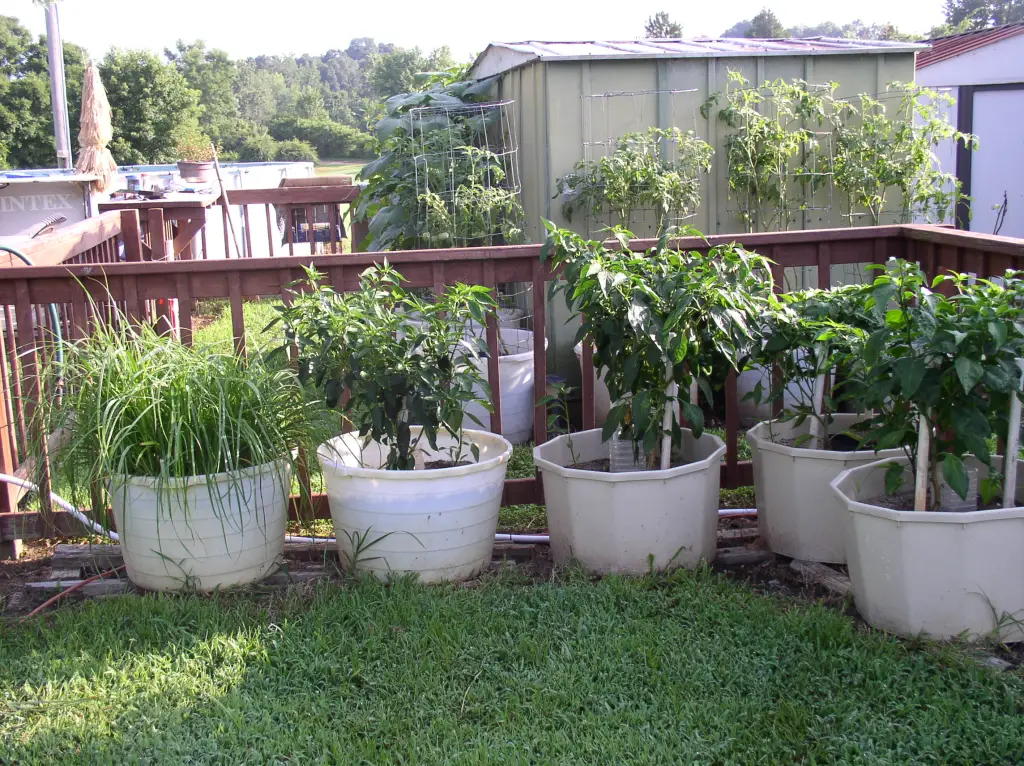
For Containers and Pots
- 50% compost
- 30% coconut coir or peat moss
- 20% perlite or vermiculite
Container mixes benefit from extra organic matter and water retention, as pots dry out faster than beds. Avoid using garden soil alone in pots, as it can compact and restrict root growth.
Improving Soil Mixes for Specific Vegetable Needs
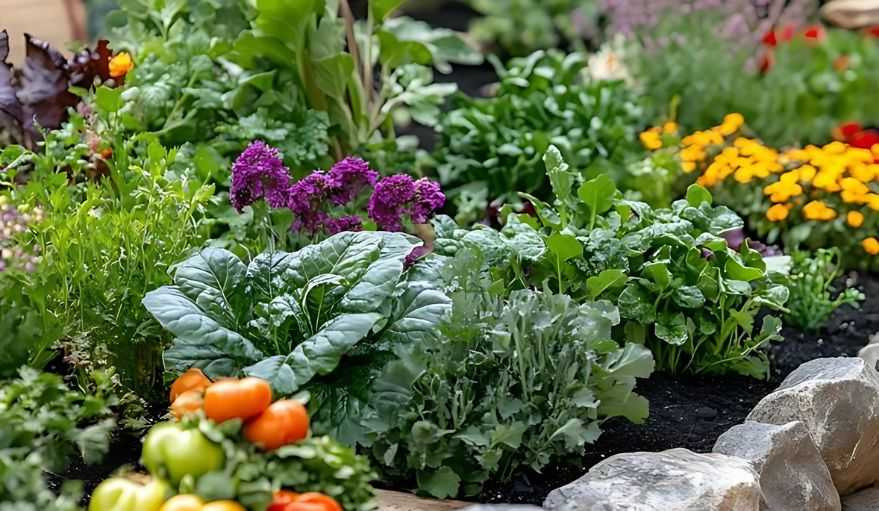
While a general-purpose blend works for most crops, some vegetables have unique requirements. Root crops like carrots and radishes prefer loose, sandy soils for straight growth. Leafy greens thrive in nitrogen-rich mixes, while tomatoes and peppers benefit from extra calcium and potassium.
Consider these tips for customizing your soil:
- Add extra perlite for crops that dislike wet feet, such as beans and squash.
- Mix in bone meal or crushed eggshells for fruiting vegetables to supply calcium and prevent blossom end rot.
- Top-dress with compost or worm castings mid-season to replenish nutrients.
For more details on watering and maintaining healthy plants, see how often to water a vegetable garden.
Maintaining and Reusing Your Vegetable Soil
Even the best soil mix for growing vegetables needs maintenance to stay productive year after year. After each growing season, remove spent plant material and mix in fresh compost or aged manure to restore nutrients. Check for compaction and fluff the soil to maintain aeration.
If you’re reusing soil from containers, sift out old roots and debris, then amend with new organic matter and a handful of slow-release fertilizer. Avoid replanting the same crop family in the same soil each year to reduce disease risk.
Common Soil Problems and How to Fix Them
Even with a carefully crafted mix, gardeners sometimes encounter issues. Here are a few common problems and solutions:
- Poor Drainage: If water pools on the surface, increase the amount of perlite or coarse sand.
- Yellowing Leaves: Often a sign of nutrient deficiency. Add compost or a balanced organic fertilizer.
- Soil Compaction: Fluff the soil between plantings and avoid walking on beds.
- Pest or Disease Build-up: Rotate crops and remove plant debris promptly.
Regularly checking soil moisture and structure can help you catch problems early. Using a moisture meter can make this process easier and more accurate.
Additional Tips for Successful Vegetable Gardening
Beyond choosing the right soil blend, successful vegetable gardening depends on a few other key practices:
- Mulch the surface with straw or shredded leaves to retain moisture and suppress weeds.
- Water consistently, aiming for deep, infrequent soakings rather than frequent, shallow watering.
- Test your soil annually and adjust pH or nutrients as needed.
- Choose varieties suited to your climate and space. For inspiration, check out the best vegetables to grow at home.
- Start small and expand as you gain experience.
For those just starting out, resources like vegetable gardening for beginners can provide step-by-step guidance.
Frequently Asked Questions
Can I use garden soil in my pots or raised beds?
It’s not recommended to use plain garden soil in containers or raised beds. Garden soil can be too dense, leading to poor drainage and root health issues. Always blend it with compost, aeration materials, and organic matter for best results.
How often should I replace or refresh my vegetable soil?
Soil in raised beds and containers should be refreshed every year by adding compost or aged manure. Completely replacing the soil is rarely necessary unless you’ve had disease problems or severe nutrient depletion.
What’s the best way to test if my soil mix is right for vegetables?
Check for good drainage by watering the soil and ensuring excess water runs through easily. The mix should feel loose and crumbly, not compacted. You can also use a soil test kit to check pH and nutrient levels, making adjustments as needed.
Conclusion
Building a nutrient-rich, well-draining soil mix is the key to productive vegetable gardening in any setting. By combining compost, quality topsoil, and the right amendments, you’ll create an environment where your crops can flourish. Regular maintenance and a few custom tweaks for your favorite vegetables will help you enjoy healthy harvests season after season.