Small-space urban homesteading is a practical approach for city dwellers who want to embrace self-sufficiency, sustainability, and a closer connection to their food—no matter how limited their outdoor area may be. Whether you have a balcony, rooftop, patio, or just a sunny windowsill, you can grow food, compost, and even raise small livestock with the right strategies. This guide explores the essentials, benefits, and actionable steps for making the most of compact urban environments.
Urban homesteading is about more than just gardening. It’s a lifestyle focused on resourcefulness, reducing waste, and producing what you can at home. Even with limited square footage, you can cultivate a surprising amount of fresh produce and herbs, and take meaningful steps toward a more sustainable way of living. If you’re curious about the broader definition of homesteading, this in-depth explanation from Treehugger is a helpful resource.
For those looking to maximize their harvest in tight quarters, learning how to grow vegetables in small spaces is a great starting point. This internal resource offers step-by-step advice tailored to urban gardeners.
Getting Started with Urban Homesteading in Small Spaces
Adopting a small-space urban homesteading mindset begins with evaluating your available space and resources. Even a few square feet can be transformed into a productive mini-homestead. Here are some initial steps to help you get started:
- Assess Your Space: Take note of sunlight, wind exposure, and accessibility. Balconies, patios, windowsills, and rooftops all have potential.
- Set Realistic Goals: Decide what you want to achieve—fresh herbs, a few vegetables, composting, or even keeping a couple of hens if local regulations allow.
- Start Small: Begin with easy-to-grow crops and simple projects. Gradually expand as you gain confidence and experience.
For those new to gardening, choosing the easy vegetables for beginners to grow can help ensure early success and keep motivation high.
Best Growing Methods for Compact Urban Environments
Space limitations require creative solutions. Here are some of the most effective growing techniques for city homesteaders:
Container Gardening
Containers are versatile and ideal for balconies, patios, and windowsills. Choose pots, buckets, or even upcycled containers with good drainage. Use high-quality soil and consider self-watering planters for convenience. For a step-by-step guide on preparing your soil, see how to prepare soil for planting vegetables.
Vertical Gardening
When ground space is scarce, go up! Vertical gardens use trellises, wall-mounted planters, or stacked containers to maximize yield. They’re perfect for vining crops like peas, beans, and cucumbers, as well as leafy greens and herbs. This method not only saves space but can also create a lush green privacy screen.
Raised Beds and Mini Greenhouses
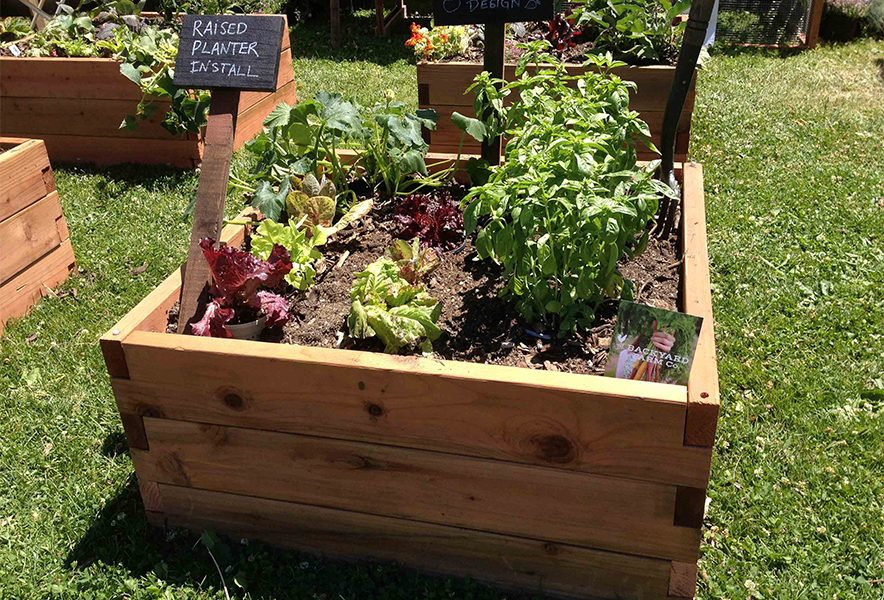
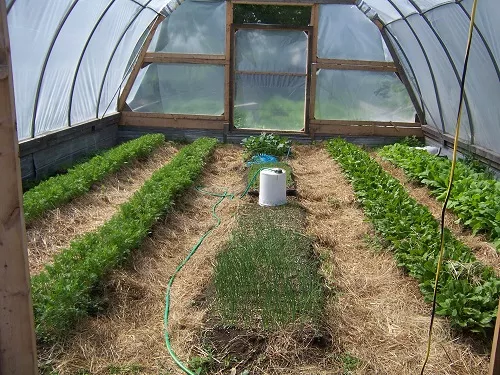
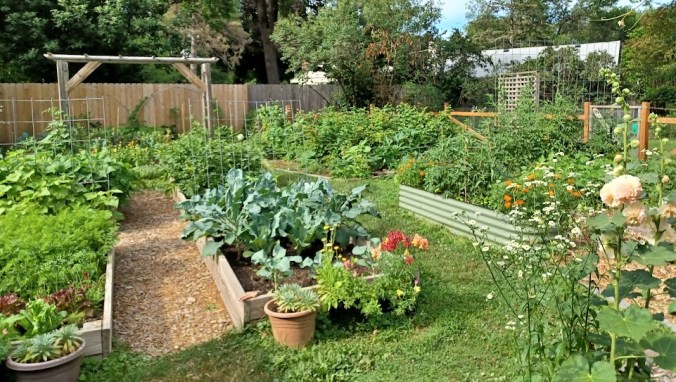
Raised beds can be built on patios or rooftops, providing excellent drainage and soil control. Mini greenhouses or cold frames extend the growing season and protect plants from urban pollutants. These structures can be scaled to fit even the smallest outdoor areas.
What to Grow: Top Choices for Urban Homesteaders
Choosing the right crops is key to success in limited areas. Focus on plants that are compact, productive, and suited to containers or vertical setups. Here are some top picks:
- Leafy Greens: Lettuce, spinach, arugula, and kale grow quickly and can be harvested repeatedly.
- Herbs: Basil, parsley, cilantro, mint, and chives thrive in pots and provide fresh flavor for meals.
- Tomatoes and Peppers: Dwarf or patio varieties are bred for small spaces and yield well in containers.
- Radishes and Carrots: Choose short-rooted types for shallow containers.
- Green Onions and Garlic: These are easy to grow and require little space. For a detailed guide, see how to grow onions from bulbs.
For more ideas on productive crops, check out the best vegetables to grow at home for fresh produce all season long.
Composting and Waste Reduction in Urban Settings
Composting is a cornerstone of sustainable living, even in apartments or condos. Options include:
- Vermicomposting: Worm bins fit under sinks or on balconies and turn food scraps into rich fertilizer.
- Bokashi Systems: These ferment kitchen waste and are odor-free, making them suitable for indoor use.
- Community Composting: Many cities offer drop-off points or shared composting programs for residents.
Reducing waste by reusing containers, collecting rainwater, and repurposing household items further supports a sustainable homesteading approach.
Additional Tips for Success in Small-Space Urban Homesteading
- Maximize Sunlight: Track sun patterns and move containers as needed to ensure at least 6 hours of light for most crops.
- Use Quality Soil: Invest in nutrient-rich potting mixes and refresh soil annually for best results.
- Practice Succession Planting: Stagger plantings to enjoy continuous harvests throughout the season.
- Monitor Watering: Containers dry out faster than garden beds. Check soil moisture regularly and use mulch to retain water.
- Stay Informed: Join local gardening groups or online forums to share tips and troubleshoot challenges.
Common Challenges and How to Overcome Them
Urban homesteaders often face unique obstacles, but most can be managed with a little planning:
- Limited Sunlight: Use reflective surfaces or supplement with LED grow lights to boost plant growth indoors.
- Pests: Inspect plants regularly and use natural deterrents like neem oil or insecticidal soap.
- Space Constraints: Prioritize vertical gardening and compact crop varieties.
- Local Regulations: Always check building codes and HOA rules before installing raised beds or keeping animals.
FAQ
Can I practice urban homesteading if I only have a balcony?
Absolutely. Many city gardeners grow a variety of vegetables, herbs, and even small fruit on balconies using containers, vertical planters, and railing boxes. With careful planning, you can enjoy a productive harvest in just a few square feet.
What are the easiest crops to start with in small urban spaces?
Leafy greens like lettuce and spinach, herbs such as basil and parsley, and compact tomatoes or peppers are all excellent choices for beginners. These plants adapt well to pots and require minimal space.
How do I deal with limited sunlight in my apartment?
If your space doesn’t receive enough natural light, consider using LED grow lights to supplement. Place plants near the brightest windows and rotate them regularly for even growth.
Is composting possible indoors?
Yes, indoor composting is possible with worm bins (vermicomposting) or bokashi systems. Both are odor-free and compact, making them suitable for apartments and condos.
Where can I find more resources on urban gardening?
Explore local gardening clubs, online forums, and trusted guides like how to grow vegetables in small spaces for detailed advice and community support.