

Living off the grid offers independence and a closer connection to nature, but it also brings unique challenges—especially when it comes to human waste disposal off-grid. Managing waste safely and legally is essential for protecting your health, the environment, and staying compliant with local regulations. Whether you’re homesteading, camping, or building a remote cabin, understanding your options for off-grid sanitation is crucial.
This guide explores practical, eco-friendly, and lawful solutions for handling waste in remote areas. You’ll learn about composting toilets, pit latrines, portable systems, and best practices for minimizing environmental impact. If you’re also interested in maximizing your food production, check out our resource on how to prepare soil for planting vegetables to make the most of your land.
Understanding Off-Grid Waste Management Basics
When you’re away from municipal sewer systems, you need to manage waste in a way that’s safe for both people and the environment. The main goals are to prevent contamination of water sources, reduce odors, and comply with local laws. Human waste disposal off-grid typically involves one of the following approaches:
- Composting toilets
- Pit latrines
- Portable toilet systems
- Pack-out methods
Each method has its pros and cons, and the best choice depends on your location, budget, and how long you’ll be off-grid. Before setting up any system, always check local regulations, as rules can vary widely by state, county, or even municipality.
Composting Toilets: Eco-Friendly and Legal Solutions
Composting toilets are a popular option for those seeking a sustainable way to manage waste. These systems use aerobic decomposition to break down waste into compost, which can be safely handled and, in some cases, used as fertilizer for non-edible plants.
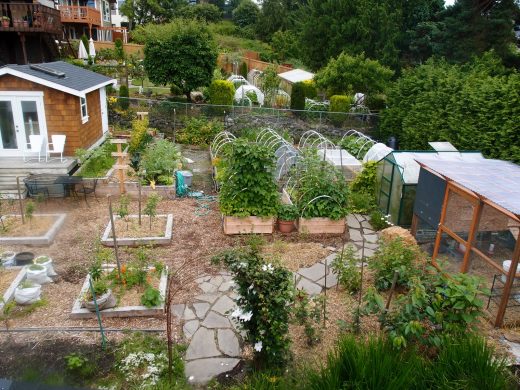
There are two main types of composting toilets:
- Self-contained units: Ideal for cabins, RVs, or tiny homes. These are easy to install and maintain, requiring only a small vent and occasional emptying of the compost bin.
- Central systems: Suitable for larger homesteads, these direct waste to a remote composting chamber, allowing for longer intervals between maintenance.
Benefits of composting toilets include reduced water usage, minimal odor when managed properly, and the ability to operate year-round. However, not all areas permit composting toilets, so it’s important to confirm local codes before installation. For more on building sustainable homesteads, see this comprehensive guide to off-grid homesteading.
Pit Latrines and Outhouses: Traditional Off-Grid Options
Pit latrines, also known as outhouses, are a time-tested solution for remote waste management. They involve digging a deep hole and constructing a simple shelter above it. Waste collects in the pit, and when it’s nearly full, the hole is covered and a new one is dug elsewhere.
Key considerations for pit latrines include:
- Locating the pit at least 200 feet from water sources to prevent contamination
- Ensuring the pit is deep enough (typically 4–6 feet) to last for several months or years
- Adding a layer of soil or ash after each use to reduce odor and aid decomposition
While pit latrines are simple and inexpensive, they may not be legal in all jurisdictions. Always check with your local health department before building one. Properly managed, they can be a safe and effective method for human waste disposal off-grid.
Portable and Pack-Out Toilet Systems
For those who need mobility or are camping in sensitive environments, portable toilets and pack-out systems offer a practical alternative. These include chemical toilets, bag-based systems, and urine-diverting dry toilets.
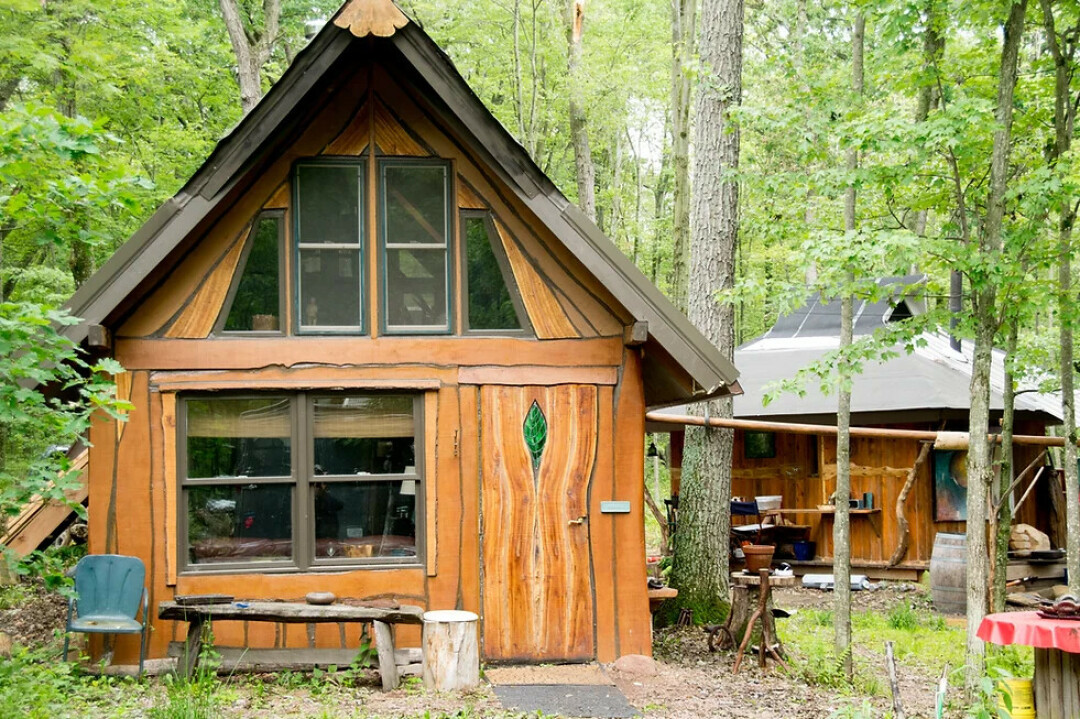
Portable toilets are easy to set up and maintain, making them ideal for temporary camps or construction sites. Bag-based systems, such as “wag bags,” are required in some wilderness areas where digging is prohibited. These systems seal waste in a leak-proof bag for later disposal in a designated facility.
When using portable or pack-out toilets, always follow manufacturer instructions and dispose of waste at approved sites. Never bury bags or dump chemical toilet contents in the wild, as this can pollute soil and water.
Legal Considerations for Remote Sanitation
Regulations for off-grid human waste disposal vary by location. Some areas allow composting toilets and pit latrines, while others require more advanced systems or prohibit certain methods altogether. Before installing any waste system, contact your local health department or building authority to learn about:
- Permitting requirements
- Setback distances from water sources and property lines
- Approved toilet types and waste treatment methods
Non-compliance can result in fines or being required to remove unauthorized systems. Staying informed and following the rules ensures your off-grid lifestyle remains sustainable and stress-free.
Best Practices for Sanitation and Environmental Protection
Regardless of the method you choose, there are universal best practices for managing waste off the grid:
- Wash hands thoroughly after using the toilet
- Keep waste systems well-ventilated to reduce odor and pathogens
- Use carbon-rich cover material (such as sawdust or peat moss) in composting toilets
- Inspect systems regularly for leaks or signs of contamination
- Never dispose of waste near gardens, wells, or streams
Adopting these habits helps protect your health and the environment. If you’re looking to expand your homestead’s productivity, you might also enjoy our tips on the best vegetables to grow at home for fresh, healthy produce.
Integrating Waste Management with Homestead Living
Effective sanitation is a cornerstone of successful off-grid living. By choosing the right waste disposal system and following best practices, you ensure a clean, safe, and sustainable homestead. Many off-grid families find that composting toilets or well-designed outhouses fit seamlessly into their routines, requiring only minimal maintenance.
For those with limited space, urban gardening techniques and efficient waste management can go hand-in-hand. Explore our guide on how to grow vegetables in small spaces for ideas on maximizing productivity without sacrificing sanitation.
Frequently Asked Questions
What is the safest method for off-grid waste disposal?
The safest approach depends on your location and local regulations. Composting toilets are widely regarded as safe and eco-friendly when maintained properly. Pit latrines can also be safe if sited and managed correctly. Always check with local authorities before choosing a method.
Can composted human waste be used in the garden?
Composted waste from approved toilets can be used on ornamental plants and trees, but it’s generally not recommended for edible crops unless the composting process meets strict temperature and time requirements to kill pathogens. Always follow local guidelines for compost use.
Are portable toilets allowed on private land?
Most areas permit portable toilets for temporary use, such as during construction or events. For long-term use, you may need to meet specific standards or obtain permits. Contact your local health department for details.
Conclusion
Managing human waste disposal off-grid is a vital part of sustainable living. With careful planning, the right equipment, and attention to legal requirements, you can maintain a healthy and environmentally responsible homestead. For more homesteading tips and practical advice, explore our articles on easy vegetables for beginners to grow and how to grow onions from bulbs to make the most of your off-grid lifestyle.