Interest in self-sufficiency and sustainable living has grown rapidly in recent years. Many people are looking for ways to reconnect with the land, reduce their reliance on commercial systems, and build more resilient lifestyles. But how does modern homesteading work in the 21st century, and what does it really mean to adopt this approach today?
Modern homesteading blends traditional skills with contemporary tools and knowledge. It’s not just about living off-grid or raising livestock; it’s a flexible, practical way to create a more independent and sustainable life, whether you’re on a rural acreage or in a suburban backyard. In this article, we’ll break down the core principles, daily realities, and common misconceptions about today’s homesteading movement.
For those just starting out, learning how to grow onions from bulbs or other simple crops is a great way to begin building homesteading skills and confidence.
Defining the Modern Homesteader
Unlike the pioneers of the past, today’s homesteaders have access to a wide range of resources, technology, and community support. The core idea remains the same: modern homesteading is about taking control of your food, energy, and lifestyle choices. However, it’s no longer limited to those living on large tracts of land.
- Urban and suburban homesteading is increasingly popular, with people growing vegetables on balconies, keeping chickens in city backyards, or making their own household products.
- Some homesteaders focus on food production, while others prioritize renewable energy, water conservation, or DIY skills.
- The movement is highly adaptable—there’s no single right way to do it.
Key Elements: How Does Modern Homesteading Work in Practice?
To understand how does modern homesteading work today, it’s helpful to look at the main activities and philosophies that define this lifestyle. Here are some of the most common elements:
Food Production and Preservation
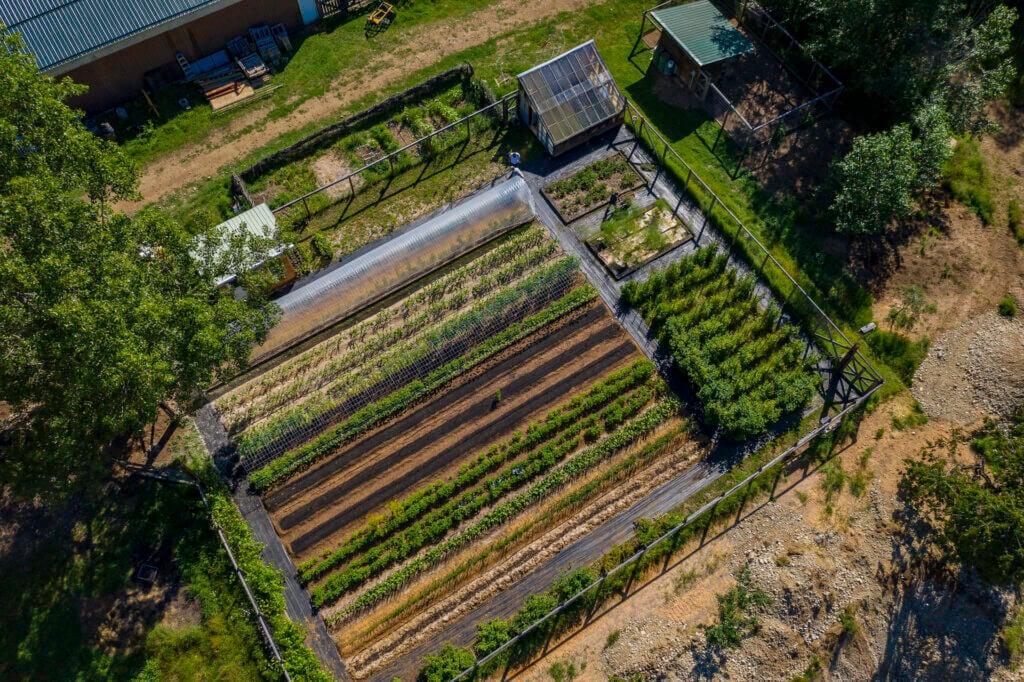
Growing your own food is a cornerstone of homesteading. This can range from a small herb garden to a full-scale vegetable plot or orchard. Many homesteaders also raise chickens, bees, goats, or other animals for eggs, honey, milk, or meat. Preserving the harvest through canning, fermenting, or dehydrating ensures a year-round supply of homegrown food.
For those with limited space, learning how to grow vegetables in small spaces can make a big difference. Even a few containers on a patio can yield fresh produce and reduce grocery bills.
Energy Independence and Resource Management
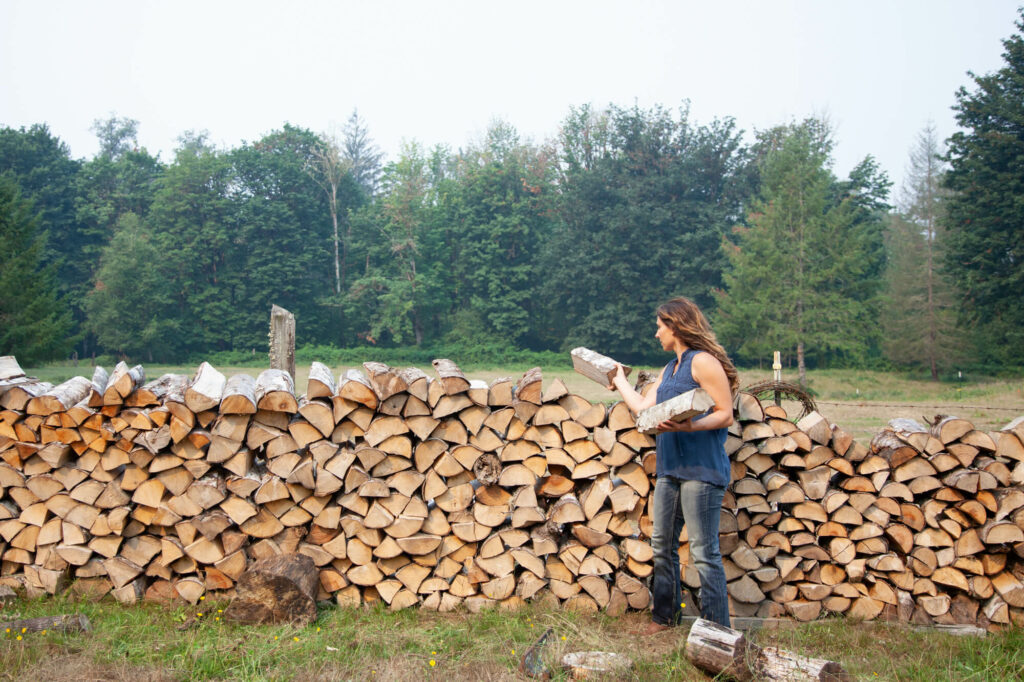
Many modern homesteaders aim to reduce their reliance on public utilities. This might involve installing solar panels, using wood stoves for heat, collecting rainwater, or composting waste. Even small steps, like switching to energy-efficient appliances or reducing water use, contribute to a more sustainable household.
Resourcefulness is key. Homesteaders often repair, repurpose, or build what they need, rather than buying new. This not only saves money but also reduces environmental impact.
Building Skills and Community Connections
Homesteading is as much about learning as it is about doing. Skills like gardening, animal care, carpentry, food preservation, and herbal medicine are all valuable. Many people take online courses, attend workshops, or join local groups to share knowledge and support each other.
Community is an essential part of the modern homesteading experience. Whether it’s swapping seeds, bartering goods, or sharing labor, working together helps everyone succeed.
Adapting Homesteading to Different Lifestyles
One of the biggest strengths of this movement is its flexibility. You don’t need to live off-grid or own acres of land to participate. Here are some ways people adapt homesteading principles to fit their circumstances:
- Apartment dwellers might focus on container gardening, fermenting foods, or making natural cleaning products.
- Suburban families often keep a few chickens, grow fruit trees, or install raised beds for vegetables.
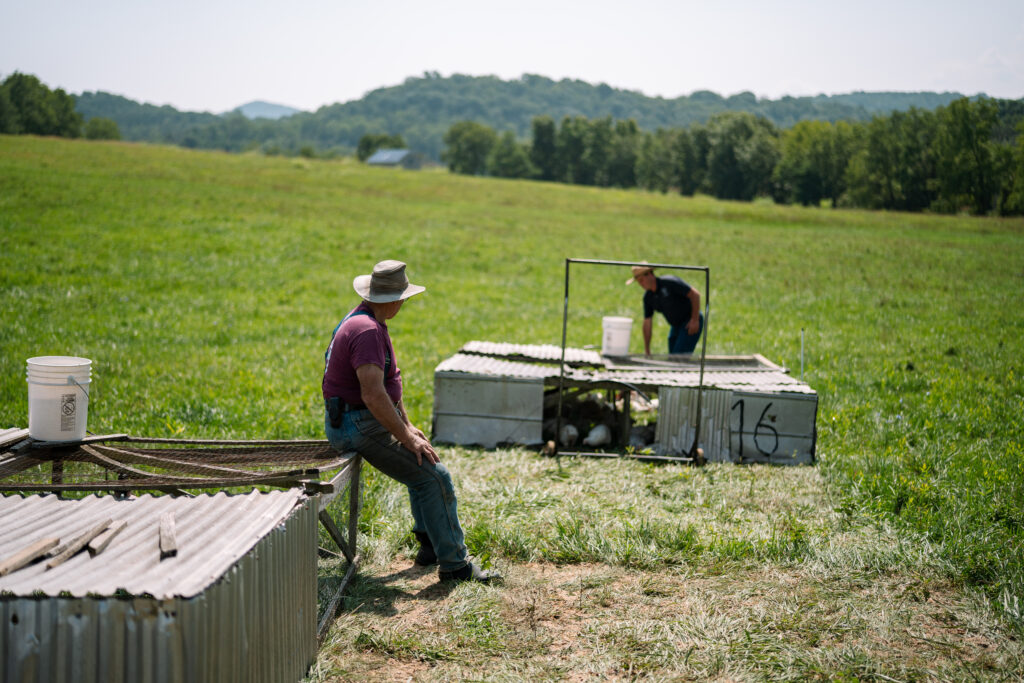
- Rural homesteaders may expand into livestock, orchards, or even small-scale farming.
For beginners, starting with the best vegetables to grow at home can provide quick wins and build momentum for larger projects.
Common Misconceptions About Today’s Homesteading
There are several myths about what it takes to be a homesteader in the modern world. Let’s clear up a few:
- You don’t need to be completely self-sufficient. Most homesteaders still rely on some store-bought goods and services. The goal is to increase independence, not achieve total isolation.
- It’s not all or nothing. Every step toward sustainability counts, whether it’s growing a single tomato plant or installing a solar water heater.
- Homesteading isn’t just for rural areas. Urban and suburban homesteading are thriving, thanks to creative solutions and supportive communities.
Challenges and Rewards of the Homesteading Lifestyle
While the rewards of this lifestyle are many—fresh food, lower bills, greater resilience—it’s not without challenges. Homesteading requires time, effort, and a willingness to learn from mistakes. Weather, pests, and unpredictable events can impact crops and animals. However, many find the sense of accomplishment and connection to nature well worth the effort.
For those interested in learning more about the evolution of this movement, this overview of modern homesteading trends provides further insights into how people are adapting these principles in creative ways.
Getting Started with Your Own Homestead
If you’re inspired to begin your own journey, start small and build gradually. Focus on one or two projects that fit your space, budget, and interests. For example, you might:
- Plant a few easy vegetables for beginners to grow, such as lettuce, radishes, or beans.
- Try composting kitchen scraps to reduce waste and improve your soil.
- Learn how to prepare soil for planting vegetables to boost your garden’s productivity.
- Experiment with homemade cleaning or personal care products.
Over time, you can expand your skills and tackle larger projects as your confidence grows.
Frequently Asked Questions
What is the main goal of modern homesteading?
The primary aim is to increase self-reliance and sustainability in daily life. This can involve growing food, conserving resources, and developing practical skills to reduce dependence on commercial systems.
Can you homestead in a city or small space?
Absolutely. Many urban dwellers practice homesteading by gardening in containers, keeping bees or chickens where permitted, and making their own food or household products. The key is to adapt the principles to your available space and resources.
Is it expensive to start homesteading?
It doesn’t have to be. Many projects, like starting a small garden or composting, require minimal investment. Over time, homesteading can actually save money by reducing grocery and utility bills. Start with what you have and expand as you learn.
Conclusion
Modern homesteading is a dynamic, adaptable approach to living more sustainably and independently. Whether you’re growing a few herbs on a windowsill or managing a multi-acre property, the principles of resourcefulness, self-reliance, and community can be applied in countless ways. By starting small and building your skills, you can enjoy the many rewards this lifestyle offers—no matter where you live.