Living independently from public utilities in regions with harsh winters presents unique challenges and rewards. Off-grid homesteading in cold climates requires careful planning, resourcefulness, and a willingness to adapt to the environment. Whether you’re seeking self-sufficiency, a sustainable lifestyle, or simply want to embrace the quiet of remote living, understanding the essentials for surviving and thriving in frigid conditions is crucial.
This guide covers key aspects of establishing and maintaining a resilient homestead in northern or alpine regions. From energy solutions and water management to food production and animal care, you’ll find practical strategies to help you make the most of your off-grid experience—even when temperatures drop well below freezing.
For those interested in maximizing their growing season, you might also want to check out when to plant vegetables in spring for tips tailored to short-season climates.
Essential Shelter and Heating Strategies for Cold Regions
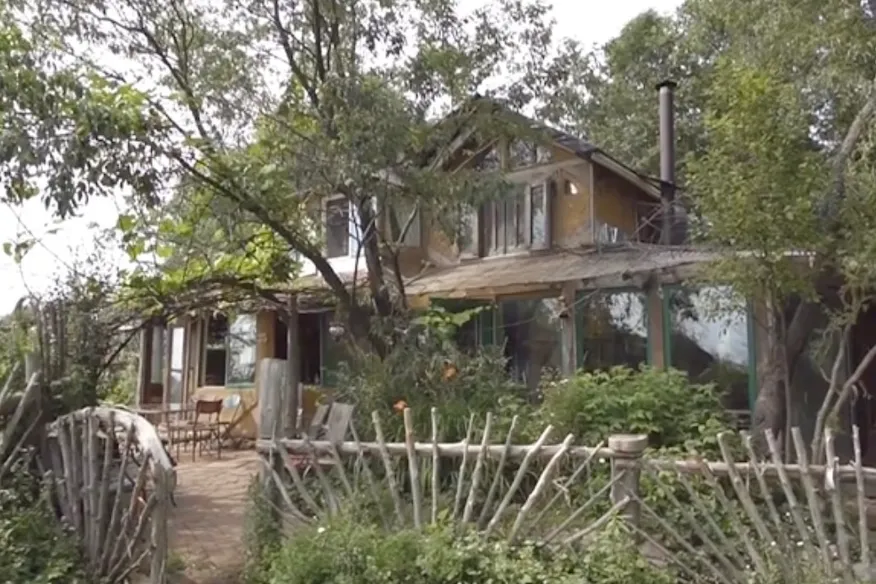
One of the first priorities for anyone pursuing off-grid homesteading in cold climates is securing a warm, energy-efficient shelter. Insulation, airtight construction, and passive solar design all play a role in keeping living spaces comfortable and reducing reliance on external fuel sources.
- Insulation: Use high R-value materials in walls, roofs, and floors. Pay special attention to windows and doors, as these are common sources of heat loss.
- Thermal Mass: Incorporate stone, concrete, or water barrels inside the home to absorb heat during the day and release it at night.
- Wood Stoves and Rocket Mass Heaters: These are popular for their efficiency and ability to use locally sourced fuel. Ensure you have a safe, well-ventilated installation.
- Backup Heat: Consider propane heaters or diesel stoves as a secondary option, especially for emergencies.
Proper planning for shelter and heating not only ensures comfort but is also vital for survival during extended cold snaps or power outages.
Reliable Energy Solutions for Winter Homesteads
Generating and storing energy is more challenging when days are short and the sun is weak. Here are some proven approaches for powering your homestead in winter:
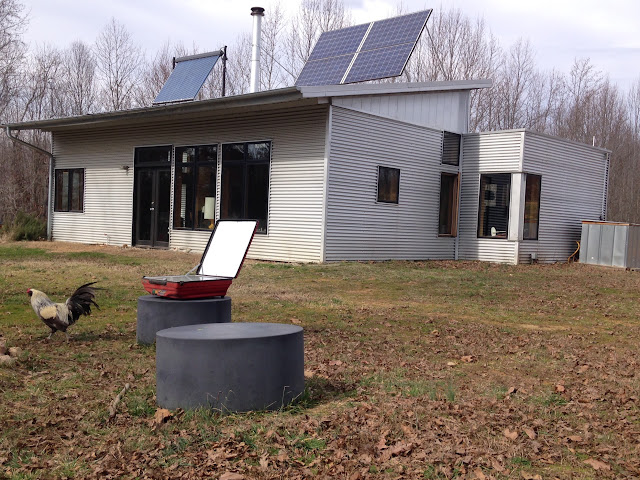
- Solar Panels: While less effective in winter, solar can still contribute, especially with panels angled steeply to maximize low-angle sunlight and keep snow off.
- Wind Turbines: Many cold regions are windy, making turbines a valuable supplement to solar systems.
- Generators: Gasoline, diesel, or propane generators provide backup power, but fuel storage and maintenance are ongoing concerns.
- Battery Banks: Invest in batteries rated for low temperatures. Insulate battery enclosures or keep them indoors to extend lifespan and efficiency.
Combining multiple energy sources increases resilience and helps ensure you have enough electricity for essentials like lighting, water pumps, and refrigeration.
Water Management and Storage in Freezing Temperatures
Access to fresh water is a year-round necessity. In cold climates, preventing pipes and storage tanks from freezing is a top priority. Consider these strategies:
- Wells: Insulate wellheads and use frost-proof hydrants. Submersible pumps are less prone to freezing than surface pumps.
- Rainwater Harvesting: Collect water during the thaw and store it in insulated or buried tanks to prevent freezing.
- Greywater Recycling: Reuse water from sinks and showers for flushing toilets or irrigating plants, reducing the need for fresh water in winter.
- Manual Backup: Keep hand pumps or buckets available in case of system failures.
Regularly check all water systems for leaks or ice buildup, and have contingency plans for extended cold spells.
Food Production and Storage for Winter Resilience
Growing and preserving food is a cornerstone of self-sufficiency. In snowy or frosty areas, the growing season is short, so planning is essential:
- Cold Frames and Greenhouses: Extend your season with insulated structures. Use thermal mass and passive solar techniques to keep temperatures stable.
- Raised Beds: These warm up faster in spring and can be covered for extra protection. Consider investing in a raised garden bed for easier management and better yields.
- Root Cellars: Store potatoes, carrots, and other hardy crops underground where temperatures remain above freezing.
- Preservation: Canning, dehydrating, and fermenting allow you to stockpile summer’s bounty for winter use.
For more tips on maximizing your harvest, explore resources like best vegetables to grow at home and easy vegetables for beginners to grow.
Livestock Care and Animal Housing in Winter
Raising animals off-grid in cold environments requires robust shelters and a steady supply of unfrozen water. Key considerations include:
- Insulated Coops and Barns: Use deep bedding and draft-free construction to keep animals warm.
- Automatic Waterers: Heated waterers or frequent manual checks prevent dehydration due to frozen troughs.
- Feed Storage: Keep hay and grain dry and protected from rodents and moisture.
- Ventilation: Maintain airflow to prevent respiratory issues without letting in cold drafts.
Upgrading to smart coop technology can simplify chores and improve animal welfare, especially during harsh weather.
Waste Management and Sanitation Solutions
Managing waste responsibly is essential for health and environmental reasons. In cold climates, composting toilets, incinerators, or outhouses with proper insulation are common solutions. Regularly maintain these systems to avoid freezing and unpleasant odors. Greywater systems should be designed to drain completely or be insulated to prevent ice blockages.
Community, Security, and Emergency Preparedness
Isolation can be both a benefit and a challenge. Building connections with neighbors, even if they’re miles away, increases safety and support. Keep emergency supplies on hand, including extra food, water, fuel, and medical kits. Reliable communication devices, such as radios or satellite phones, are invaluable during storms or outages.
For a comprehensive overview of starting your journey toward self-reliance, see this ultimate guide to starting a frugal off-grid homestead.
Frequently Asked Questions
What are the biggest challenges of living off the grid in cold climates?
The most significant obstacles include maintaining reliable heat, preventing water systems from freezing, generating enough power during short, cloudy days, and growing or storing sufficient food. Planning, redundancy, and adaptability are key to overcoming these issues.
How can I extend my growing season in a cold environment?
Use greenhouses, cold frames, and raised beds to start plants earlier and protect them from frost. Choose cold-hardy varieties and consider succession planting for continuous harvests. For more advice, see how to grow vegetables in small spaces for creative solutions.
Is it possible to live completely off-grid year-round in northern regions?
Yes, but it requires careful preparation, investment in appropriate infrastructure, and a willingness to adapt to seasonal changes. Many people successfully homestead year-round by combining multiple energy sources, insulating their homes, and developing robust food and water systems.