Creating a thriving garden in a limited space is both rewarding and practical. Whether you have a tiny backyard, a balcony, or just a corner of your patio, learning how to design small garden layouts can help you maximize every inch. With thoughtful planning, the right plant choices, and clever use of containers, even the smallest area can become a productive and beautiful green oasis.
Before diving into the details, it’s helpful to explore resources on how to grow vegetables in small spaces for additional ideas and inspiration. This guide will walk you through the essential steps, from assessing your site to choosing the best layout and plants for your needs.
Assessing Your Space and Sunlight
The first step in planning a compact garden is to carefully evaluate your available area. Take note of the size, shape, and features of your space. Is it a narrow strip along a fence, a sunny balcony, or a small backyard patch? Measure the dimensions and sketch a simple map. This will help you visualize where everything will go.
Sunlight is a critical factor. Observe your space throughout the day to determine which areas receive full sun (at least six hours), partial sun, or shade. Most vegetables and many flowers need plenty of sunlight to thrive, so plan to place sun-loving plants in the brightest spots. Shadier corners can be used for leafy greens, herbs, or shade-tolerant ornamentals.
Choosing the Right Layout for Small Gardens
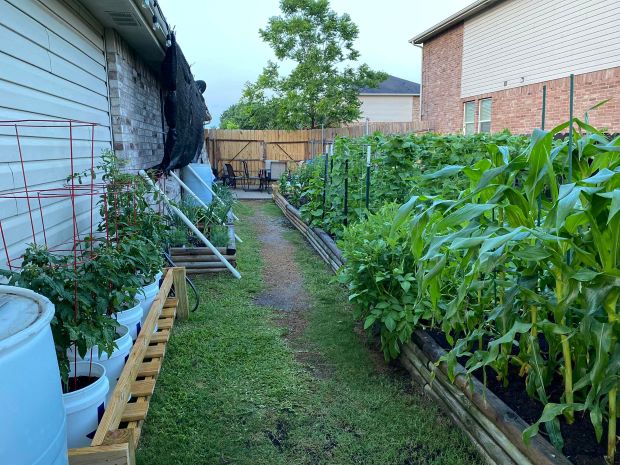
There are several layout options that work well for limited spaces. The key is to maximize growing area while keeping the garden easy to access and maintain. Here are a few popular approaches:
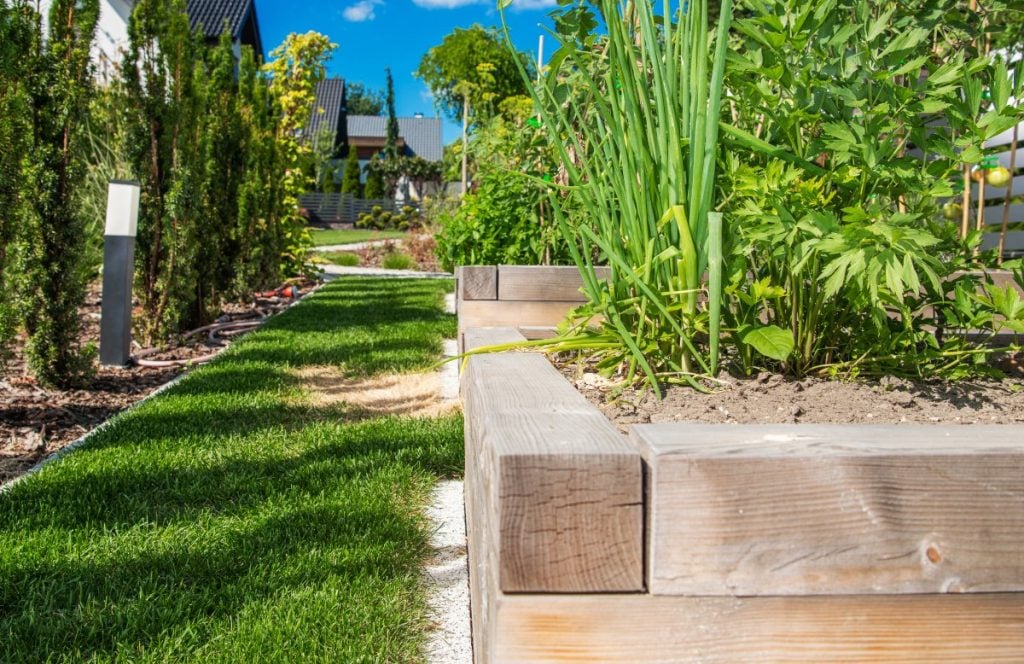
- Raised Beds: These defined planting areas help organize your garden, improve drainage, and make maintenance easier. Raised beds can be built from wood, stone, or metal and sized to fit your space.
- Container Gardening: Pots, troughs, and grow bags allow you to garden on patios, balconies, or even windowsills. Containers are ideal for renters or anyone who wants flexibility.
- Vertical Gardening: Use trellises, wall planters, or stacked containers to grow upwards. This method is perfect for vining crops like beans, cucumbers, or decorative climbers.
- Square Foot Gardening: Divide your bed into a grid of 1-foot squares, planting a different crop in each. This method is efficient and helps prevent overcrowding.
For more details on timing your planting, see when to plant vegetables in spring to ensure your crops get the best start.
Plant Selection and Companion Planting
When space is limited, it’s important to choose plants that offer high yields and suit your local conditions. Opt for compact or dwarf varieties, which are bred to thrive in small gardens and containers. Leafy greens, herbs, cherry tomatoes, peppers, and bush beans are all excellent choices for tight spaces.
Companion planting is a smart way to make the most of your garden. By grouping compatible plants together, you can improve growth, deter pests, and maximize productivity. For example, basil and tomatoes grow well side by side, while marigolds can help repel unwanted insects. For more ideas, check out the best vegetables to grow at home for fresh produce.
Efficient Use of Containers and Raised Beds
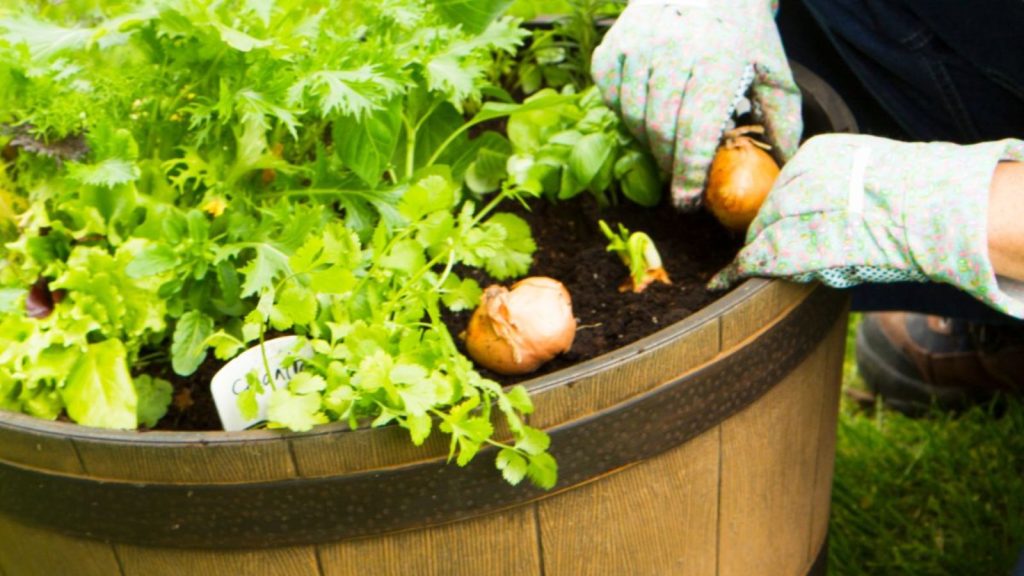
Containers and raised beds are invaluable for small garden design. They allow you to control soil quality, drainage, and placement. When arranging containers, group them by water and sunlight needs to simplify care. Use a mix of heights and shapes to create visual interest and make harvesting easier.
Raised beds should be no wider than 4 feet so you can reach the center from either side. Fill them with a rich, well-draining soil mix and add compost regularly to keep plants healthy. Rotate crops each season to maintain soil fertility and reduce disease risk.
Vertical Gardening and Space-Saving Techniques
Growing upwards is one of the best ways to increase yield in a compact area. Use trellises, cages, or wall-mounted planters to support climbing plants like peas, beans, or cucumbers. Hanging baskets are perfect for strawberries, herbs, or trailing flowers.
Interplanting is another effective technique. Combine fast-growing crops like radishes with slower ones such as carrots, so you can harvest one before the other matures. Staggering planting times and using succession planting will keep your garden productive throughout the season.
Maintaining and Adapting Your Garden
Regular maintenance is essential for a successful small garden. Water consistently, as containers and raised beds dry out faster than in-ground plots. Mulch helps retain moisture and suppress weeds. Fertilize as needed, but avoid overfeeding, which can harm plants in confined spaces.
Be prepared to adapt your layout as you learn what works best. Track which plants thrive and which struggle, and adjust your plan each year. For beginners, resources on easy vegetables for beginners to grow can help you get started with crops that are more forgiving.
Inspiration and Further Reading
Small garden design is a creative process. Draw inspiration from urban gardeners, homesteaders, and community plots. For a deeper dive into sustainable living and garden planning, see this comprehensive guide to the homesteading lifestyle.
Remember, even a modest patch of green can provide fresh food, beauty, and a sense of accomplishment. With careful planning and a willingness to experiment, you can transform any small space into a productive garden.
Frequently Asked Questions
What are the best vegetables for small garden layouts?
Compact varieties such as lettuce, spinach, radishes, bush beans, cherry tomatoes, and herbs are ideal for limited spaces. These crops grow quickly and don’t require much room, making them perfect for containers or raised beds.
How can I make my small garden more productive?
Use vertical gardening techniques, succession planting, and companion planting to maximize yields. Choose high-yield crops and stagger your planting times so you always have something ready to harvest.
Do I need special soil for container or raised bed gardens?
Yes, using a high-quality potting mix or a blend of compost, peat, and vermiculite ensures good drainage and fertility. Avoid using regular garden soil in containers, as it can become compacted and restrict root growth.