For those seeking a reliable, sustainable protein source while living independently from traditional utilities, raising rabbits off-grid offers a practical and rewarding solution. Rabbits are efficient converters of feed to meat, require minimal space, and adapt well to a variety of climates. Whether your goal is food security, reducing your ecological footprint, or simply enjoying the homesteading lifestyle, integrating rabbits into your off-grid setup can be a smart move.
This guide explores the essentials of keeping rabbits for meat in an off-grid environment, from choosing the right breeds and housing to feeding, water management, and ethical processing. Along the way, you’ll find tips for maximizing sustainability and integrating rabbits into a broader self-sufficient homestead.
Before diving into the details, consider how rabbits can complement other homesteading projects. For example, integrating rabbit manure into your garden beds can improve soil fertility and yield. If you’re interested in expanding your self-reliance, you might also want to learn how to grow onions from bulbs or explore modern homesteading household energy saving tips to further boost your sustainability.
Why Choose Rabbits for Off-Grid Meat Production?
Rabbits are one of the most efficient small livestock options for off-grid living. They reproduce quickly, mature fast, and require less feed and water compared to larger animals. Here are some key reasons why many off-grid homesteaders choose rabbits:
- High feed-to-meat conversion: Rabbits can produce up to six pounds of meat from the same feed that would yield just one pound of beef.
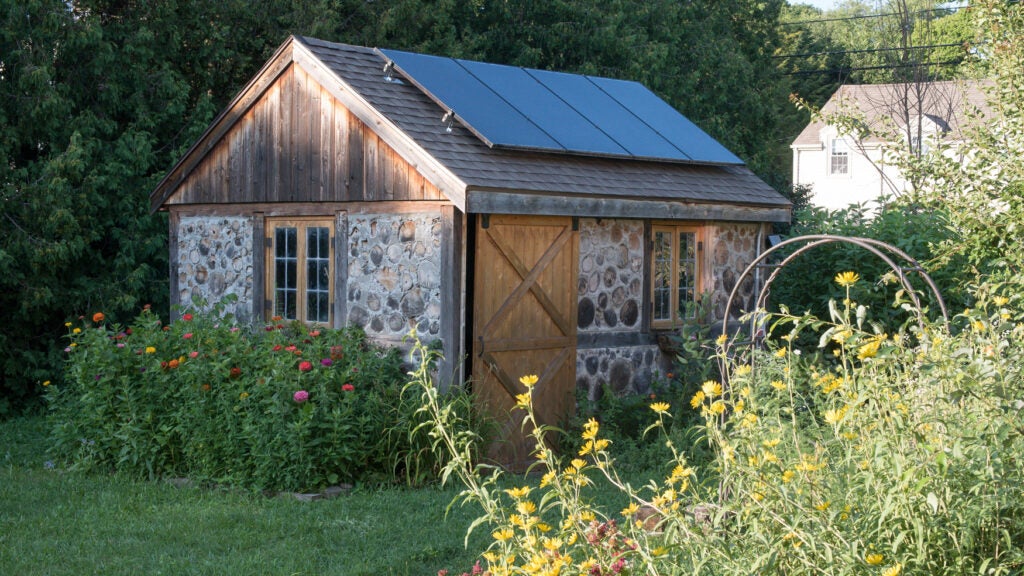
- Minimal space requirements: Even a small shed or hutch can house a productive rabbitry.
- Low noise and odor: With proper management, rabbits are quiet and relatively odorless, making them suitable for close quarters.
- Manure benefits: Rabbit droppings are an excellent, cold fertilizer that can be applied directly to gardens without composting.
- Adaptability: Rabbits thrive in a variety of climates and can be raised using simple, low-tech systems.
Setting Up Your Off-Grid Rabbitry
Creating a functional, sustainable rabbit setup is crucial for success. The following considerations will help you design a system that works with your available resources and climate.

Choosing the Right Location and Shelter
When raising rabbits off the grid, shelter design is important for animal welfare and ease of management. Choose a location that is shaded, well-ventilated, and protected from predators. Simple hutches, colony setups, or even repurposed sheds can work well. Consider these tips:
- Elevate hutches to keep rabbits dry and safe from ground predators.
- Use wire floors with resting boards to allow droppings to fall through, reducing cleaning needs.
- Ensure adequate airflow to prevent respiratory issues, but avoid direct drafts in winter.
- Insulate shelters in cold climates and provide shade in hot weather.
Breeds Suited for Sustainable Meat Production
Some rabbit breeds are better suited for meat production and off-grid conditions. Popular choices include New Zealand White, Californian, and American Chinchilla. These breeds grow quickly, have good feed conversion, and are generally hardy. When selecting breeding stock, look for healthy, vigorous animals with good mothering instincts.
Feeding Rabbits Sustainably Off the Grid
One of the biggest advantages of rabbits is their ability to thrive on a variety of feeds, including homegrown and foraged greens. While commercial pellets are convenient, off-grid setups often rely on locally available resources. Here’s how to keep your rabbits healthy and your system sustainable:
- Grow your own feed: Plant high-protein crops like alfalfa, clover, and comfrey. Supplement with vegetable garden trimmings and safe wild plants.
- Hay as a staple: Good-quality hay should make up the bulk of a rabbit’s diet. It aids digestion and keeps teeth healthy.
- Supplement with grains and root crops: Small amounts of oats, barley, or root vegetables can provide extra calories, especially in winter.
- Fresh water: Ensure a reliable water source. In freezing climates, insulated bottles or bowls may be necessary.
For more ideas on maximizing your garden’s productivity, check out advice on the best vegetables to grow at home or tips for how to grow vegetables in small spaces to supplement your rabbits’ diet.
Water Management for Off-Grid Rabbits
Water is essential for rabbit health and growth. Off-grid setups may require creative solutions, especially in areas without running water. Consider these approaches:
- Rainwater harvesting: Collect and filter rainwater for animal use.
- Gravity-fed systems: Use elevated tanks and tubing to supply water to hutches without electricity.
- Insulated containers: Prevent freezing in winter and overheating in summer.
Regularly check and clean water containers to prevent contamination and ensure your rabbits always have access to fresh water.
Breeding and Managing Your Rabbit Colony
One of the benefits of raising rabbits off-grid is the ability to maintain a steady supply of meat with a small breeding group. Here’s how to manage breeding for sustainability:
- Keep a ratio of one buck (male) to three to five does (females) for efficient breeding.
- Stagger litters to avoid overwhelming your resources and to ensure a consistent meat supply.
- Monitor for signs of illness and cull humanely when necessary to maintain a healthy colony.
- Record breeding dates and lineage to avoid inbreeding and maintain genetic diversity.
Processing Rabbits Ethically and Efficiently
When it comes time to harvest, humane handling and processing are essential. Rabbits reach butchering weight at around 8–12 weeks, depending on breed and diet. Here are some tips for ethical processing:
- Handle rabbits calmly to minimize stress before dispatch.
- Use a quick, humane method for dispatching, such as cervical dislocation or a captive bolt device.
- Cool and process the meat promptly to ensure food safety.
- Utilize all parts: pelts can be tanned, and offal can be composted or used as animal feed.
For more information on ethical animal husbandry and self-reliant living, you might find this overview of what to know about homesteading helpful.
Integrating Rabbits into a Sustainable Homestead
Rabbits can play a key role in a closed-loop, regenerative homestead system. Their manure is a valuable fertilizer, and their feed can be grown on-site. Consider these integration strategies:
- Use rabbit manure to fertilize garden beds or fruit trees directly.
- Grow forage crops specifically for your rabbits, reducing reliance on purchased feed.
- Rotate rabbit hutches or colonies over garden plots to naturally fertilize the soil.
- Combine rabbit production with other small livestock for a diversified protein supply.
By planning your setup with sustainability in mind, you can create a resilient, productive system that supports both your food needs and the health of your land.
Frequently Asked Questions
What is the best breed for off-grid meat rabbit production?
Popular breeds for meat include New Zealand White, Californian, and American Chinchilla. These rabbits are known for rapid growth, good feed efficiency, and hardiness, making them well-suited for off-grid environments.
How much space do I need to keep rabbits for meat?
Rabbits require less space than most livestock. A single breeding trio (one buck, two does) can be housed in a small shed or a series of hutches. Each adult rabbit should have at least 3–4 square feet of space, with additional room for litters.
Can I feed rabbits only on forage and garden scraps?
While rabbits can thrive on a diet of quality hay, fresh greens, and garden trimmings, it’s important to ensure a balanced diet with enough protein and fiber. Supplementing with homegrown grains or legumes can help maintain health and productivity, especially in winter.
How do I keep my rabbits cool in summer and warm in winter off-grid?
Provide shade and ventilation in summer, and insulate hutches in winter. Use natural materials like straw for bedding and consider moving hutches to sheltered locations during extreme weather. Regularly check on your animals to ensure their comfort and safety.
Is rabbit manure safe to use directly in the garden?
Yes, rabbit manure is considered a “cold” fertilizer and can be applied directly to garden beds without composting. It’s rich in nutrients and helps improve soil structure and fertility.
By following these guidelines, you can successfully raise rabbits for meat and sustainability, even in an off-grid setting. With careful planning and a focus on resourcefulness, rabbits can become a cornerstone of your self-sufficient homestead.