Building a resilient, self-sufficient lifestyle is a goal for many homesteaders, and few animals contribute as much versatility as goats. Whether you’re seeking a reliable source of fresh milk, homegrown meat, or natural land management, goats for off-grid homestead living offer a practical solution. Their adaptability, manageable size, and diverse benefits make them a cornerstone for anyone looking to thrive away from the grid.
Before diving into the essentials of keeping goats, it’s helpful to consider how they fit into the bigger picture of sustainable living. Integrating goats with your gardening, energy-saving practices, and food storage can transform your homestead into a more productive and harmonious system. For those interested in maximizing their harvest, you might also explore how to grow onions from bulbs to complement your homegrown dairy and meat.
Why Choose Goats for Self-Sufficiency?
When it comes to goats for off-grid homestead setups, their appeal goes far beyond their charming personalities. Goats are remarkably efficient at converting forage into high-quality protein and dairy, even on marginal land where other livestock might struggle. Their relatively small size makes them easier to handle and house compared to cattle, and their varied diet helps keep pastures healthy by controlling weeds and brush.
Some of the main reasons homesteaders choose goats include:
- Milk Production: Many breeds provide rich, nutritious milk that can be used for drinking, cheese, yogurt, and even soap making.
- Meat Supply: Goat meat is lean, flavorful, and a staple in many cultures worldwide.
- Land Management: Goats are natural browsers, helping to clear overgrown areas and reduce fire risk.
- Manure: Their droppings are excellent for composting and improving garden soil.
- Adaptability: Goats thrive in a variety of climates and terrain, making them ideal for remote or rugged properties.
Choosing the Right Goat Breeds for Your Needs
Selecting the best breed is essential for meeting your homestead goals. Dairy breeds such as Nubian, Alpine, and Saanen are known for their high milk yields and pleasant temperaments. If meat is your priority, consider Boer or Kiko goats, which are bred for rapid growth and robust health. Some homesteaders opt for dual-purpose breeds like Nigerian Dwarf or Pygmy goats, which offer both milk and meat in a compact package.
When choosing goats, think about your available space, climate, and the resources you can dedicate to their care. It’s also wise to start with a small herd and expand as you gain experience.
Essential Goat Care for Remote Living
Keeping goats for off-grid homestead environments requires thoughtful planning. Goats need secure fencing, shelter, fresh water, and a balanced diet. Since they are skilled escape artists, invest in sturdy fencing at least four feet high. A simple three-sided shelter will protect them from wind, rain, and extreme temperatures.
Water is critical, especially if you’re relying on wells or rainwater catchment. Goats prefer clean, fresh water, so check and refill their troughs daily. For feed, goats thrive on browse, hay, and a small amount of grain or goat pellets. Supplement with minerals, especially if your soil is deficient in nutrients like copper or selenium.
Regular health checks, hoof trimming, and parasite management are also important. Establish a relationship with a local veterinarian familiar with goats, and keep basic supplies on hand for emergencies.
Integrating Goats with Your Homestead Systems
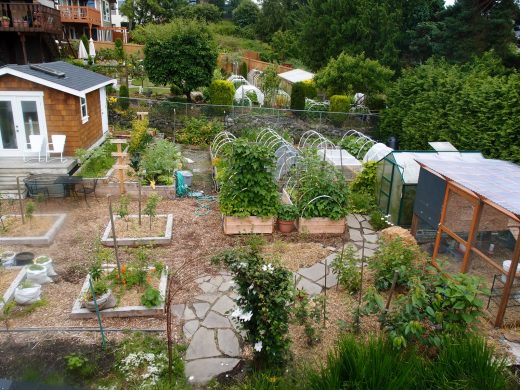
Goats can be a key part of a holistic homestead strategy. Their manure enriches compost, which in turn boosts garden productivity. You can rotate goats through garden beds after harvest to clear weeds and fertilize the soil. Pairing goats with raised beds and smart garden planning helps maximize your land’s output. If you’re working with limited space, consider reading about how to grow vegetables in small spaces for more ideas on optimizing your setup.
Goats also contribute to food security by providing year-round milk and seasonal meat. With proper preservation techniques—such as cheese making, canning, or freezing—you can extend the benefits of your herd well beyond the fresh season.
Challenges and Solutions for Off-Grid Goat Keeping
While goats are adaptable, off-grid living presents unique challenges. Power outages, limited access to veterinary care, and the need for manual water systems are all factors to consider. Solar-powered electric fencing and gravity-fed waterers can help maintain your herd’s safety and comfort. Planning ahead for winter feed storage and emergency medical supplies is also crucial.
Predator protection is another key concern. Secure night shelters and livestock guardian animals, such as dogs or donkeys, can help keep your goats safe from coyotes, foxes, and other threats.
For more ideas on building a resilient homestead, check out this comprehensive guide to establishing an off-grid homestead from Mother Earth News.
Maximizing Value: Milk, Meat, Fiber, and Beyond
Goats are best known for their milk and meat, but their value doesn’t stop there. Some breeds, like Angora and Cashmere, produce luxurious fiber that can be spun into yarn. Goat milk is also prized for its gentle properties in homemade soaps and lotions. Even their companionship and weed-eating abilities can be considered valuable assets on a remote property.
By integrating goats into your broader homestead plan, you can create a more sustainable, productive, and enjoyable lifestyle. Their contributions to food, fiber, and land management make them a smart investment for anyone seeking greater independence.
Frequently Asked Questions
What is the best goat breed for a small off-grid property?
Nigerian Dwarf and Pygmy goats are popular choices for small spaces due to their compact size and dual-purpose nature. They provide good milk yields and are easy to handle, making them ideal for beginners and limited acreage.
How much land do I need to keep goats sustainably?
Generally, one to two goats can be supported on a quarter to half an acre of well-managed pasture, provided you supplement with hay and browse. Rotational grazing and integrating goats with other homestead activities can help maximize your land’s productivity.
Can goats really help with land management?
Yes, goats are natural browsers and can clear brush, weeds, and invasive plants that other livestock might ignore. Their grazing habits help maintain healthy pastures and reduce fire hazards, making them valuable for land stewardship on remote properties.
Final Thoughts on Goats for Remote Homesteads
Adding goats to your off-grid setup can transform your homestead by providing fresh dairy, meat, and natural land management. With careful planning and the right resources, these adaptable animals can thrive in a variety of environments and contribute to a more self-reliant lifestyle. For those interested in further optimizing their homestead, consider exploring topics like modern homesteading household energy saving tips or learning about the best vegetables to grow at home to round out your self-sufficiency journey.