Preserving food without relying on modern utilities is an essential skill for anyone living off the land, embracing homesteading, or preparing for emergencies. Canning food off-grid allows you to store the harvest, reduce waste, and maintain a steady supply of nutritious meals year-round. However, the process requires careful planning and strict attention to safety, especially when you don’t have access to conventional kitchen appliances or electricity.
This article explores practical methods for off-grid food preservation, highlights the safest canning techniques, and offers tips for maximizing efficiency. Whether you’re new to self-sufficiency or looking to refine your skills, you’ll find actionable advice to help you succeed in your off-grid kitchen.
For those starting out, learning about how to grow onions from bulbs can provide a great foundation for homegrown produce that’s perfect for canning and storage. Developing a strong gardening base makes the preservation process even more rewarding and sustainable.
Understanding Off-Grid Canning Basics
When you’re away from the conveniences of grid power, canning food off-grid becomes both a challenge and an opportunity. The core principles remain the same as traditional canning: you must use heat to destroy harmful bacteria and create a vacuum seal to keep food safe for months or even years. However, the methods for generating heat and maintaining consistent temperatures differ significantly.
- Water Bath Canning: Suitable for high-acid foods like fruits, jams, and pickles. This method requires boiling jars in water at 212°F (100°C).
- Pressure Canning: Essential for low-acid foods such as vegetables, meats, and beans. Pressure canners reach higher temperatures (240°F/116°C) to ensure safety.
- Alternative Heat Sources: Off-grid setups often rely on wood stoves, propane burners, or solar ovens. Each has unique advantages and limitations regarding heat control and fuel availability.
Before starting, always inspect jars for cracks, use new lids, and follow tested recipes to minimize risks.
Choosing the Right Equipment for Off-Grid Preservation
Success in off-grid canning depends on having the right tools. While some equipment overlaps with standard kitchens, certain items are especially valuable when you’re working without electricity:
- Sturdy Pressure Canner: Look for models that can be used on wood or gas stoves. Avoid electric-only canners.
- Large Water Bath Pot: Enamel or stainless steel pots with racks help keep jars off the bottom and ensure even heating.
- Reliable Heat Source: Wood stoves, propane burners, or even rocket stoves are popular choices. Make sure your canner is compatible with your heat source.
- Manual Tools: Jar lifters, funnels, and ladles don’t require power and are essential for safe handling.
- Thermometer: Monitoring temperature is crucial, especially when using alternative heat sources.
Having backup fuel and a sheltered workspace can make the process smoother, especially during unpredictable weather.
Safe Practices for Preserving Food Without Electricity
Food safety is paramount when preserving your harvest off the grid. Because you’re often working in less controlled environments, it’s critical to follow best practices:
- Use Tested Recipes: Only use canning recipes from reputable sources. Altering ingredients or ratios can affect acidity and safety.
- Monitor Processing Times: Off-grid heat sources can fluctuate. Use a timer and thermometer to ensure jars are processed for the full recommended duration at the correct temperature.
- Inspect Seals: After cooling, check that lids have sealed properly. Any jars that haven’t sealed should be refrigerated and used promptly.
- Label and Store: Clearly mark jars with the date and contents. Store in a cool, dark place to maximize shelf life.
- Watch for Spoilage: Discard any jars with bulging lids, leaks, or off smells. Never taste food from a questionable jar.
Maintaining cleanliness is also crucial. Wash hands, sanitize equipment, and keep your workspace tidy to reduce the risk of contamination.
Efficient Off-Grid Canning Techniques
Efficiency matters when you’re working with limited resources. Here are some strategies to streamline your off-grid food preservation:
- Batch Processing: Prepare and can large quantities at once to save fuel and time.
- Pre-Prep Ingredients: Wash, chop, and measure all produce before starting the canning process.
- Organize Your Workspace: Set up a logical flow from washing to filling to processing jars. This minimizes movement and reduces the risk of accidents.
- Utilize Passive Heat: If using a wood stove, take advantage of residual heat for warming jars or keeping lids hot.
- Plan for Weather: On sunny days, consider using a solar oven for water bath canning. On rainy days, ensure your workspace is protected from the elements.
These approaches help you get the most from your fuel and time, making the process more manageable and sustainable.
Integrating Canning with Homestead Life
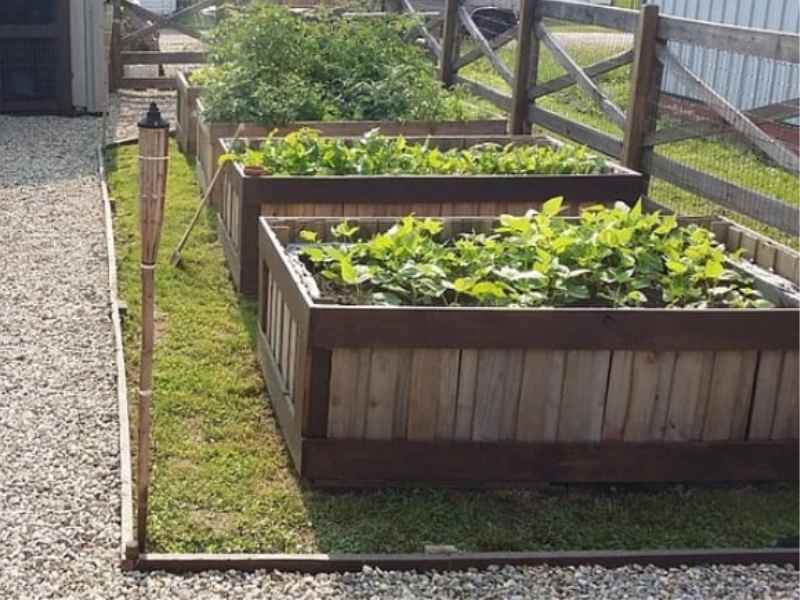
Preserving your own food is just one aspect of a self-reliant lifestyle. Many homesteaders combine canning with gardening, animal husbandry, and other sustainable practices. For example, building raised beds can boost your harvest and provide more produce for preservation. If you’re interested in maximizing your growing space, you might explore advice on how to grow vegetables in small spaces to make the most of your available land.
Additionally, learning about homesteading essentials can help you develop a well-rounded approach to off-grid living. By integrating canning with other self-sufficiency skills, you’ll be better prepared for any situation.
Common Challenges and How to Overcome Them
While canning food off-grid is rewarding, it comes with unique hurdles. Here are some common issues and solutions:
- Inconsistent Heat: Use a thermometer and adjust your fuel source as needed. Practice makes perfect when learning to regulate temperature on wood or propane stoves.
- Limited Water Supply: Collect rainwater or use well water, but always ensure it’s clean. Consider reusing water from the canner for cleaning jars or watering plants.
- Weather Interruptions: Set up a sheltered outdoor kitchen or use portable canopies to protect your workspace from rain and wind.
- Storage Space: Organize jars on sturdy shelves in a cool, dark area. Rotate your stock to use older preserves first.
By anticipating these challenges, you can develop solutions that keep your food preservation efforts running smoothly throughout the year.
Frequently Asked Questions
What foods are best suited for off-grid canning?
High-acid foods like tomatoes, fruits, jams, and pickles are ideal for water bath canning. Low-acid foods such as vegetables, meats, and beans require pressure canning for safety. Always follow tested recipes for each type of food.
Can I use a solar oven for canning?
Solar ovens can reach temperatures suitable for water bath canning, making them a good option for high-acid foods. However, they generally do not achieve the high temperatures needed for pressure canning low-acid foods. Always monitor temperatures closely and use a thermometer to ensure safety.
How do I know if my jars have sealed properly?
After processing and cooling, the lid should be concave and not flex when pressed in the center. If the lid pops up and down, the jar hasn’t sealed and should be refrigerated and used soon. Properly sealed jars can be stored in a cool, dark place for long-term preservation.
Mastering the art of canning food off-grid is a valuable step toward greater independence and food security. With the right knowledge, equipment, and attention to safety, you can enjoy the fruits of your labor all year long—no matter where you live or what resources you have at hand.