
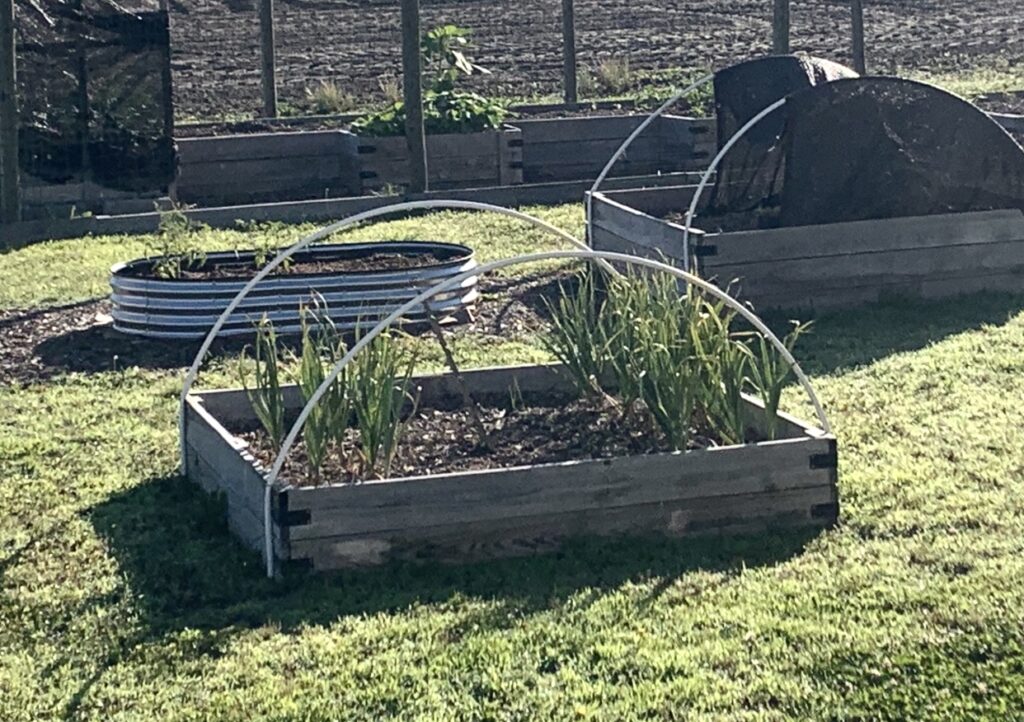
Modern homesteading in the city is a growing movement for people seeking a more sustainable, self-sufficient lifestyle without leaving urban environments. City dwellers are discovering creative ways to grow food, reduce waste, and reconnect with nature, all within the constraints of apartments, townhouses, or small backyards. Whether you’re looking to start a balcony garden, keep a few chickens, or simply reduce your reliance on commercial goods, urban homesteading offers practical solutions for a greener, more independent life.
Urban homesteaders adapt traditional skills to fit city living, making use of limited space and resources. From container gardening to composting, every step toward self-reliance can make a difference. If you’re curious about what crops thrive in small spaces, you might find this resource on best vegetables to grow at home especially helpful as you plan your own urban oasis.
Getting Started with Urban Homesteading
Starting your journey toward modern homesteading in the city doesn’t require a large plot of land or a rural address. The key is to make the most of what you have and to start small. Begin by assessing your available space—windowsills, balconies, rooftops, or even shared community gardens can all be transformed into productive areas. Research local regulations, especially if you plan to keep animals or install structures.
Many urban homesteaders begin with simple projects such as growing herbs or leafy greens in containers. These crops are forgiving, require minimal space, and can thrive indoors or outdoors. As your confidence grows, you can expand into vertical gardening, rainwater collection, or even small-scale composting.
Growing Food in Limited Spaces
One of the cornerstones of city homesteading is food production. Even with limited space, it’s possible to grow a surprising amount of produce. Container gardens, raised beds, and vertical planters allow you to maximize every inch. Choose crops that are well-suited to your climate and available sunlight. Leafy greens, tomatoes, peppers, and root vegetables are popular choices for urban gardeners.
If you’re unsure about when to plant vegetables in spring, local extension offices or gardening guides can provide region-specific advice. Timing is crucial for a successful harvest, especially in city environments where microclimates can affect growth.
Raising Animals in Urban Settings
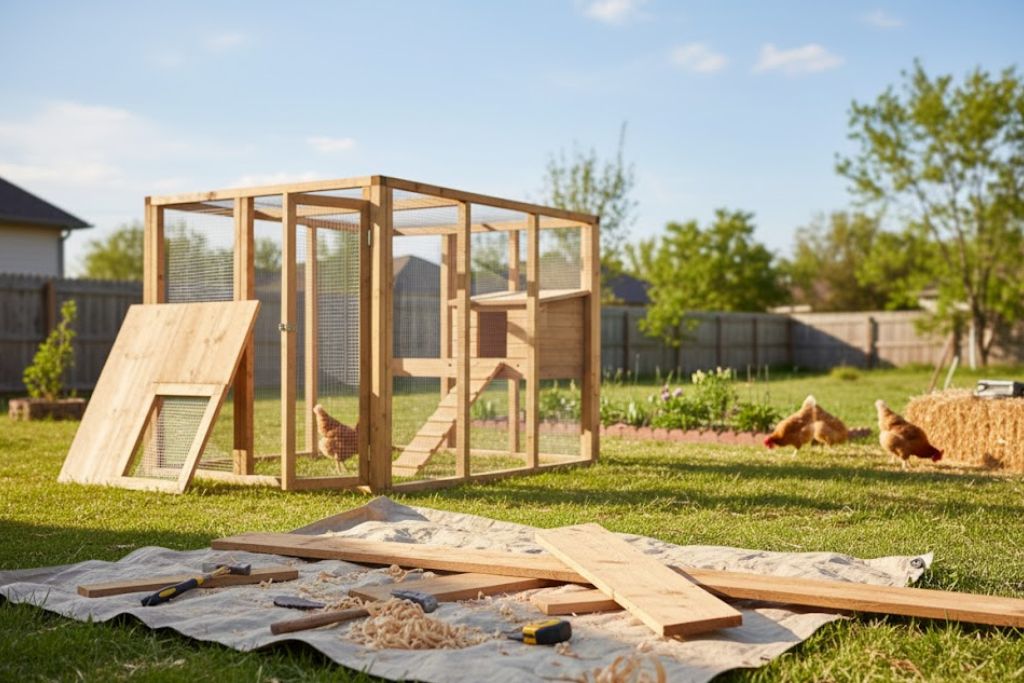
Animal husbandry is possible in many cities, though it requires careful planning and adherence to local ordinances. Chickens are the most common urban livestock, providing fresh eggs and natural pest control. Some cities also allow rabbits, bees, or even miniature goats. Before bringing animals home, check city bylaws and talk to neighbors to ensure a harmonious environment.
Proper shelter, regular cleaning, and responsible care are essential for healthy, happy animals. Urban homesteaders often repurpose materials to build coops or hutches, making the most of small yards or rooftops. Remember, even a small flock can contribute significantly to your household’s food supply.
Eco-Friendly Practices for City Homesteaders
Adopting sustainable habits is a core part of the urban homesteading ethos. Composting kitchen scraps, collecting rainwater, and reducing single-use plastics are all achievable in city apartments. Many homesteaders also explore energy-saving techniques, such as using LED lighting, weatherproofing windows, and unplugging unused electronics. For more ideas, see these modern homesteading household energy saving tips to lower your utility bills and environmental impact.
Preserving food through canning, fermenting, or dehydrating is another way to minimize waste and enjoy homegrown produce year-round. These skills not only save money but also help you become less dependent on commercial supply chains.
Building Community and Sharing Resources
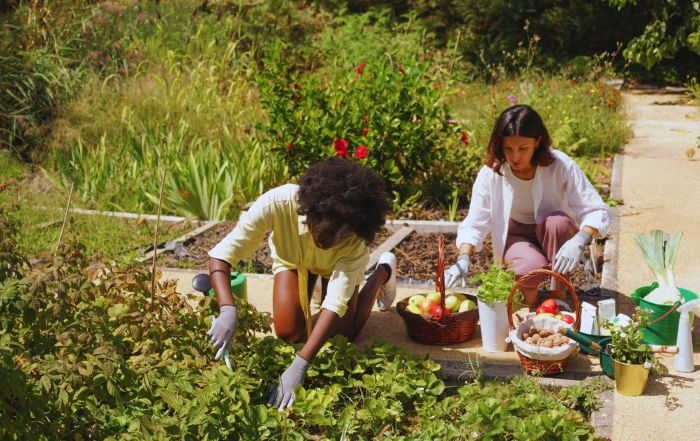
City-based homesteaders often find strength in community. Sharing seeds, tools, and knowledge with neighbors can make projects more affordable and enjoyable. Many cities have community gardens, tool libraries, or local workshops where you can learn new skills and connect with like-minded individuals. These networks are invaluable for troubleshooting problems, trading surplus produce, or organizing group purchases of supplies.
Participating in local food co-ops or farmers’ markets is another way to support sustainable agriculture and meet others interested in self-reliance. By working together, urban residents can amplify their impact and foster a sense of belonging.
Adapting Traditional Skills for Urban Life
Many classic homesteading skills can be adapted for city living. Soap making, bread baking, sewing, and natural cleaning are all practical ways to reduce reliance on commercial products. Even in small apartments, you can experiment with homemade cleaners, herbal remedies, or upcycled crafts. These activities not only save money but also contribute to a healthier home environment.
For those interested in eco-friendly construction or renovations, consider exploring natural building techniques that can be applied on a small scale. Simple projects like rain barrels, green roofs, or compost bins can make a big difference in your urban homestead.
Learning and Growing: Resources for Urban Homesteaders
There’s a wealth of information available for those interested in sustainable city living. Books, online forums, and local workshops can help you develop new skills and troubleshoot challenges. If you’re looking for a comprehensive overview, this in-depth guide to homesteading covers everything from gardening to animal care and can help you get started on the right foot.
Remember, every step toward self-sufficiency counts. Whether you’re growing a single tomato plant or transforming your entire backyard, the journey is as important as the destination. Celebrate small victories and keep learning as you go.
Frequently Asked Questions
What are the first steps to starting an urban homestead?
Begin by assessing your available space and resources. Start small with container gardening or herbs on a windowsill. Research local regulations, especially if you plan to keep animals or install structures. Gradually expand your skills and projects as you gain confidence.
Can I keep chickens or other animals in the city?
Many cities allow chickens, rabbits, or bees, but regulations vary widely. Always check local ordinances before acquiring animals. Provide proper shelter, food, and care, and communicate with neighbors to ensure a positive experience for everyone.
How can I make my urban homestead more eco-friendly?
Adopt sustainable habits such as composting, rainwater collection, and reducing single-use plastics. Use energy-saving techniques, preserve food, and explore natural cleaning or building methods. Every small change contributes to a greener lifestyle.
Where can I find more information on city homesteading?
Look for books, online forums, and local workshops focused on urban sustainability. Community gardens and tool libraries are also excellent resources. For a broad overview, check out this comprehensive homesteading resource for tips and inspiration.