Embracing modern homesteading principles offers a path toward greater self-sufficiency, sustainability, and intentional living. While the traditional image of homesteading might conjure up remote cabins and acres of farmland, today’s approach is far more adaptable. Whether you live in the suburbs, a rural area, or even an urban setting, these foundational ideas can help you create a more resilient and rewarding lifestyle.
This guide explores the essential concepts behind contemporary homesteading, from food production and resource management to community building and eco-friendly practices. If you’re curious about how to get started or want to deepen your understanding, you’ll find practical insights and actionable steps throughout.
For those interested in growing their own food, understanding when to plant vegetables in spring is a valuable starting point for planning a productive garden.
What Sets Modern Homesteading Apart?
Unlike the homesteaders of the past, today’s practitioners blend time-honored skills with new technologies and flexible mindsets. The core idea is to take control of your resources, reduce reliance on outside systems, and cultivate a lifestyle that aligns with your values. This can mean growing vegetables in raised beds, keeping a few chickens, or even making your own cleaning products.
Key differences in the modern approach include:
- Adapting practices to fit small spaces or urban environments
- Using digital tools for research, networking, and planning
- Prioritizing sustainability and environmental stewardship
- Building community connections, both online and locally
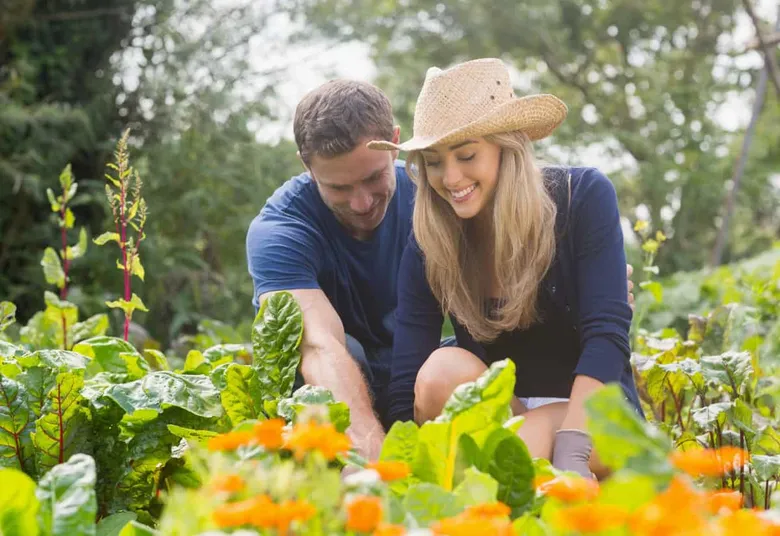
Self-Sufficiency: The Heart of Homesteading
One of the most important modern homesteading principles is self-sufficiency. This doesn’t mean doing everything yourself, but rather developing the skills and systems to meet more of your own needs. Common areas of focus include:
- Food production: Growing fruits, vegetables, and herbs; raising poultry or small livestock; preserving harvests through canning, freezing, or fermenting.
- Energy use: Implementing conservation strategies and exploring renewable sources, as outlined in resources like the modern homesteading household energy saving tips guide.
- Homemade goods: Making bread, soap, cleaners, and other essentials at home.
Each step toward self-sufficiency, no matter how small, builds confidence and resilience.
Sustainable Living and Environmental Stewardship
Eco-friendly practices are central to today’s homesteading mindset. Reducing waste, conserving resources, and protecting natural systems are all part of the equation. Some ways to put these ideas into action include:
- Composting kitchen and yard waste to enrich soil
- Harvesting rainwater for garden use
- Choosing organic gardening methods and avoiding synthetic chemicals
- Repurposing materials and minimizing single-use plastics
For a deeper dive into environmentally conscious strategies, the modern homesteading eco friendly living guide offers practical tips for reducing your ecological footprint.
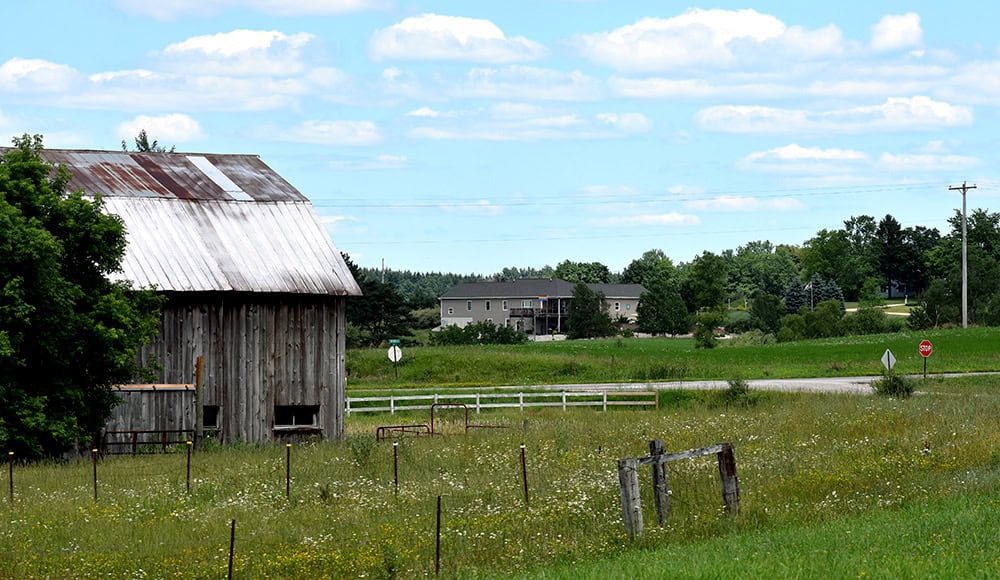
Resourcefulness and DIY Skills
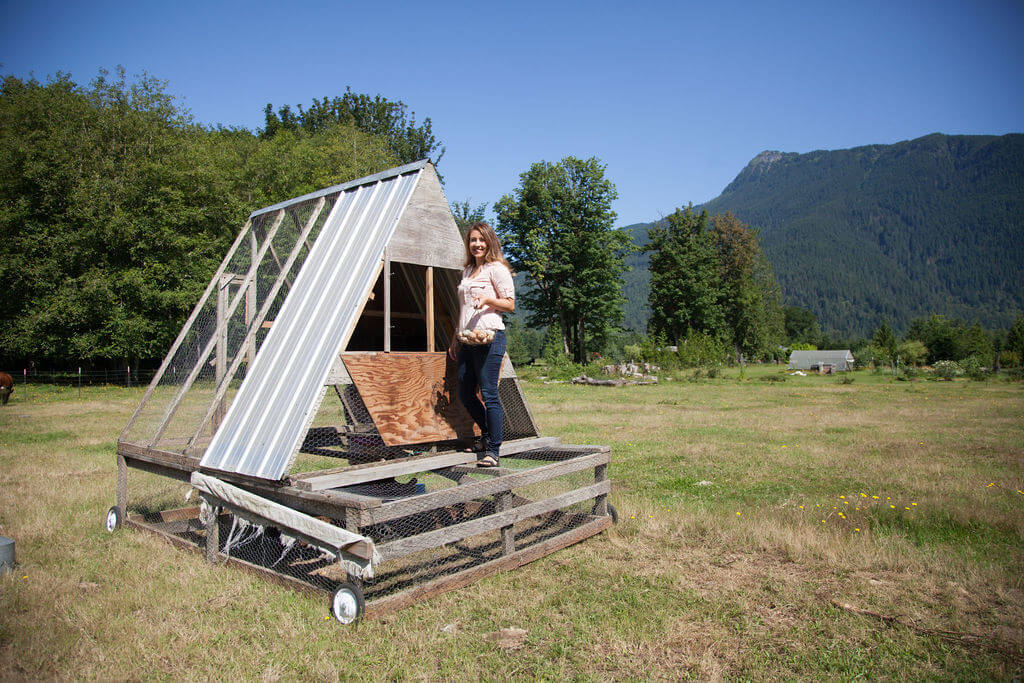
Another pillar of homesteading is learning to do more with less. This includes developing hands-on abilities and a mindset of creative problem-solving. Whether you’re building a chicken coop, repairing a fence, or sewing reusable bags, these skills save money and foster independence.
Some popular do-it-yourself projects among homesteaders are:
- Constructing raised garden beds from reclaimed materials
- Building compost bins or worm farms
- Making natural cleaning solutions from basic ingredients
- Repairing and upcycling old furniture
For those interested in sustainable construction, exploring modern homesteading natural building techniques can be a rewarding way to create functional and eco-friendly structures.
Community and Sharing Knowledge
While self-reliance is important, no one truly homesteads alone. Sharing resources, trading skills, and learning from others are all vital aspects of this lifestyle. Many people join local gardening clubs, participate in seed swaps, or connect with neighbors to share tools and expertise.
Online platforms and forums also play a significant role, offering a space to ask questions, exchange ideas, and celebrate successes. Building a supportive network can make the journey more enjoyable and less overwhelming.
Adaptability and Continuous Learning
Homesteading is not a one-size-fits-all journey. Adapting to changing circumstances, experimenting with new methods, and embracing lifelong learning are all essential. Whether you’re adjusting to a new climate, trying out a different crop, or learning how to preserve food, flexibility is key.
There are many resources available for those looking to expand their knowledge. For a comprehensive overview of what it means to embrace this way of life, check out this detailed introduction to contemporary homesteading and how to get started.
Practical Steps to Begin Your Homesteading Journey
If you’re inspired to put these concepts into practice, start small and build gradually. Here are some actionable steps:
- Assess your available space and resources. Even a balcony or small yard can support container gardening or herbs.
- Choose one or two skills to develop first, such as baking bread, composting, or starting a vegetable patch.
- Connect with others in your area or online for support and advice.
- Track your progress and celebrate small wins along the way.
- Continue learning through books, workshops, and trusted online resources.
For those looking to maximize their harvest, the best vegetables to grow at home guide can help you choose crops that thrive in your region and suit your family’s needs.
FAQ: Common Questions About Modern Homesteading
Can I practice homesteading in an urban or suburban setting?
Absolutely. Many people apply modern homesteading principles in apartments, townhomes, or small city lots. Container gardening, balcony composting, and making homemade products are all accessible ways to get started, regardless of location.
What are the first steps for beginners?
Start by identifying your interests and available resources. Focus on one or two manageable projects, such as growing herbs on a windowsill or learning to preserve food. Building confidence with small successes makes it easier to expand your skills over time.
How do I balance sustainability with convenience?
It’s important to find a balance that works for your lifestyle. Incorporate eco-friendly habits gradually, and remember that every positive change counts. Over time, many people find that sustainable choices become second nature and even save time and money.
Do I need a lot of land to be successful?
No. While more space can offer additional options, many homesteaders thrive on small plots or even indoors. The key is to maximize what you have and adapt techniques to fit your environment.
Conclusion
Adopting modern homesteading principles is about more than growing food or making things from scratch—it’s a mindset of resourcefulness, sustainability, and community. By starting small, learning continuously, and connecting with others, anyone can take meaningful steps toward a more self-reliant and fulfilling way of life.