
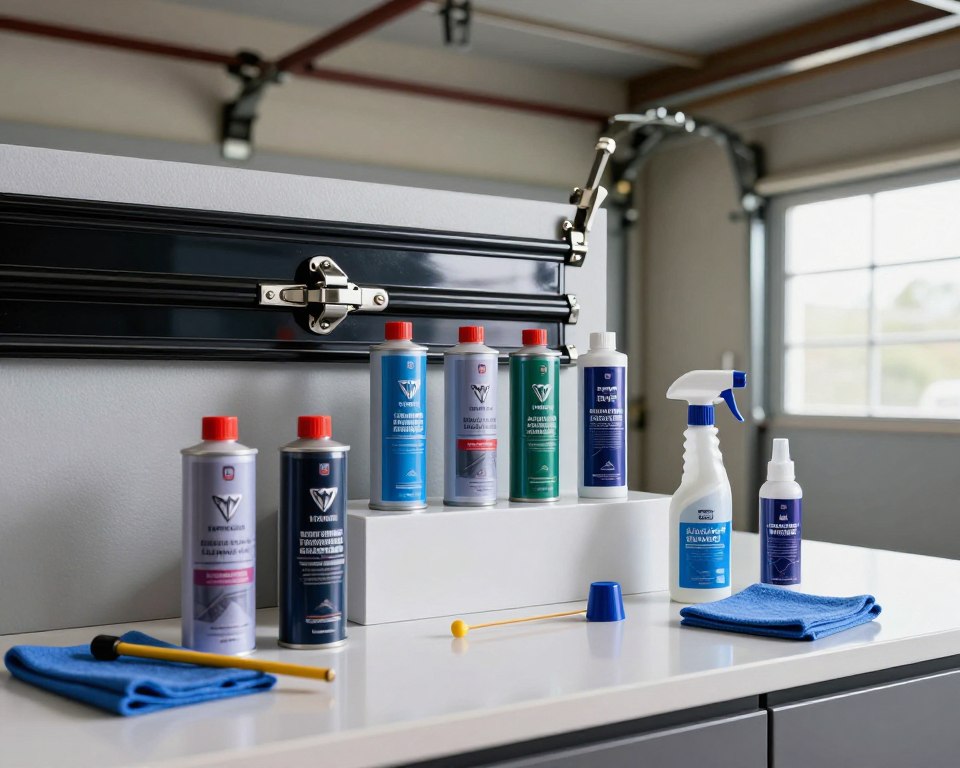
Does your home entry system screech every time you open it? We know how annoying that is for homeowners in the U.S. Restoring peace to your daily routine starts with the right supplies for your hardware.
Our guide looks at the top-rated solutions for smooth and quiet home operation. Proper care is key to extending your systems’ lifespan. By following our advice, your equipment will work well all year round.
We share effective garage door noise reduction tips that are easy to do. A little maintenance now can save you from big repair costs later. Let us guide you to a quiet home with our maintenance tips.
Key Takeaways
- Regular maintenance significantly extends the lifespan of your mechanical entry systems.
- Applying the right grease reduces friction and eliminates annoying squeaks.
- We recommend specific formulas that resist temperature changes and debris buildup.
- Consistent care ensures your system operates reliably during extreme weather conditions.
- Simple DIY lubrication steps save homeowners time and expensive professional service fees.
Why Regular Lubrication is Essential for Your Garage Door
We often overlook our garage doors until they make loud noises. Regular garage door maintenance keeps them running smoothly for years. This proactive approach protects your investment and avoids sudden breakdowns.
Preventing Premature Wear and Tear
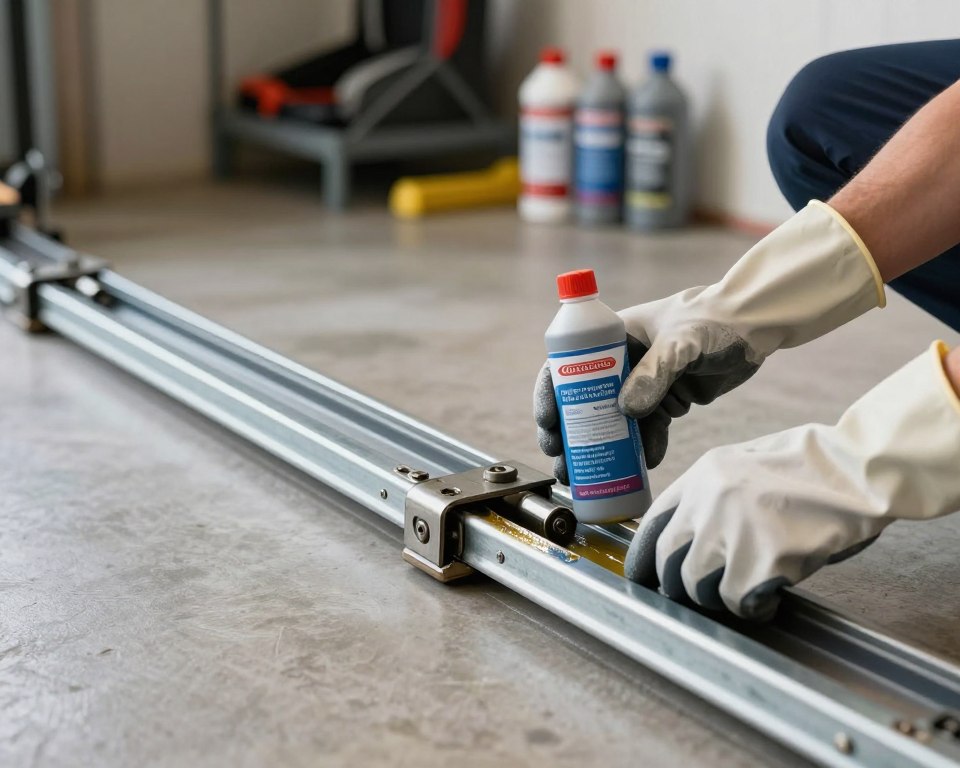
Lubrication stops metal parts from rubbing together. Without it, they wear out faster. Keeping your garage door hinges and tracks well-maintained reduces this wear.
Garage door spring lubrication is also key. It keeps the springs balanced. This simple step prevents wear and saves you from costly repairs, keeping your home safe.
“A well-lubricated garage door system is not just quieter; it is a safer, more reliable barrier that protects your home from the elements and intruders alike.”
The Impact of Climate on Lubricant Performance
Weather greatly affects your garage door’s performance. High humidity can cause rust, while extreme temperatures can change oil consistency. Picking the right lubricant for cold weather is critical in harsh climates.
Maintaining garage door hardware means knowing how your climate affects it. We suggest checking your system twice a year. The table below shows how different conditions affect your maintenance needs.
| Environmental Factor | Impact on Hardware | Recommended Action |
|---|---|---|
| High Humidity | Increased risk of rust | Apply anti-corrosive spray |
| Extreme Cold | Lubricant thickening | Use dry silicone-based spray |
| Dusty/Dry Air | Gritty residue buildup | Clean tracks before applying |
| Moderate Climate | Standard wear | Annual inspection and lube |
Top Picks for the Best Garage Door Lubricants
Choosing the right lubricant for your garage door is key to a smooth operation. Homeowners look for reliable solutions to extend their hardware’s life. By picking the best garage door lubricants, you ensure quiet and efficient operation for years.
Blaster Garage Door Lubricant
Overview
The Blaster brand is well-known for a reason. Their garage door lubricant spray is made to reduce friction in tough spots. It works great on tracks, hinges, and rollers to stop sticking and grinding sounds.
Pros
It leaves a non-drying film that stays put. This is perfect for garage door roller maintenance because it doesn’t wash away. People say it makes noisy doors quiet right after use.
Cons
The spray can be messy if you use too much. Use a light touch to avoid drips on the floor. It also has a strong scent during the first use.
Features
This formula is silicone-free, which keeps dust and dirt away. It also works well in extreme temperatures, staying effective all year. Below is a quick garage door lubricant comparison to show how it compares to standard options.
| Feature | Blaster Lubricant | Standard Oil |
|---|---|---|
| Drying Time | Non-Drying | Fast Drying |
| Dust Resistance | High | Low |
| Temperature Range | Wide | Limited |
| Application Type | Aerosol Spray | Liquid/Drip |
Clopay Garage Door Pro Lubricant
Choosing the right maintenance product is key for your home’s longevity. Let’s look at why the Clopay Garage Door Pro Lubricant is a top pick. Many homeowners face issues with noisy or sticking doors. This special formula offers a reliable solution for these problems.
Clopay Garage Door Pro Lubricant
This product is made for the tough demands of garage doors. It cuts down on metal friction, making your door quiet and efficient all year.
Overview
The Clopay Garage Door Pro Lubricant is a top-notch solution for your door hardware. It’s specifically formulated to reach deep into hinges, rollers, and springs. It protects against rust and corrosion.
Pros
- Professional-grade formula for lasting protection.
- Reduces squeaks and grinding noises right away.
- Recommended by experts for garage door care.
Cons
While it works great, some find it pricier than common brands. It’s also harder to find in small stores compared to big brands.
Features
This product stands out for its use in all temperatures. It’s seen as the best lubricant for cold weather because it stays effective in low temperatures. It’s perfect for those in cold climates, keeping doors smooth all year.
3-IN-ONE Professional Garage Door Lubricant
The 3-IN-ONE Professional Garage Door Lubricant is a top choice for a quiet garage door operation. It effectively silences squeaks and keeps parts moving smoothly.
3-IN-ONE Professional Garage Door Lubricant
This product is a go-to for those looking for a reliable garage door solution. It deeply penetrates tight spaces, protecting hinges and rollers for a long time.
“Proper maintenance is the secret to a long-lasting garage door system that operates without unnecessary friction or noise.”
Overview
This lubricant is made to give professional garage door care by cutting down on friction and stopping rust. It’s great for DIY fans because it works well on many metal parts.
Pros
- Quick-drying formula that does not attract dust or dirt.
- Excellent at garage door noise reduction for immediate results.
- Prevents rust and corrosion on metal hardware.
Cons
- Requires careful application to avoid overspray on the floor.
- The straw attachment can be delicate if handled roughly.
Features
The product comes with a special straw for precise application in tight spots. Here’s why it’s a top pick for home maintenance.
| Feature | Benefit | Performance |
|---|---|---|
| Fast-Acting | Immediate silence | High |
| Non-Sticky | Resists debris | Excellent |
| Rust Inhibitor | Long-term protection | Superior |
Choosing this lubricant means investing in your hardware’s long life. We suggest keeping it on hand for regular maintenance to keep your door in great shape all year.
WD-40 Specialist Silicone Lubricant
Keeping your garage door hardware in top shape is easier with a high-performance lubricant. A silicone lubricant for garage doors is a great choice. It keeps your system quiet and efficient all year.
High-Performance Maintenance
Overview
The WD-40 Specialist Silicone Lubricant is a top pick for homeowners. It’s made to lubricate, waterproof, and protect without leaving residue. It’s perfect for garage doors because it works well in extreme temperatures.
Pros
- Water-resistant: It keeps metal parts from rusting and corroding.
- Temperature stable: It works well in cold and hot temperatures.
- Non-staining: It dries fast and doesn’t attract dust or dirt.
Cons
While it’s very effective, be careful when applying it. The spray can make your garage floor slippery. Use a cloth to catch drips during use.
Features
The Smart Straw technology is a key feature. It lets you apply the lubricant precisely or in a wider spray. This makes it easy to get into tight spots without mess. The formula lasts a long time, so you don’t need to apply it often.
| Feature | Benefit | Performance |
|---|---|---|
| Water Resistance | Prevents Rust | High |
| Temperature Range | -100°F to 500°F | Excellent |
| Application | Smart Straw | Precise |
| Residue | Non-Sticky | Clean |
Liquid Wrench L112 Dry Lubricant
Are you fed up with messy grease? A dry lubricant for garage doors could be just what you need. Traditional sprays often leave a sticky residue. This attracts dust and debris, making a mess over time.
Switching to a dry formula keeps your hardware moving smoothly. It also prevents dirt from sticking to it.
Liquid Wrench L112 Dry Lubricant
This product is perfect for those who want a clean, non-greasy finish. It creates a protective barrier. This barrier reduces friction between metal parts, making your door quiet and efficient.
Overview
Liquid Wrench L112 is a top-notch dry lubricant for garage doors. It uses advanced ceramic technology. It’s made to last without the buildup of oil-based products.
This makes it great for places where cleanliness is key.
Pros
- Residue-free: It doesn’t attract dust, dirt, or grime.
- Fast-acting: The formula dries quickly after application.
- Versatile: It works well on hinges, rollers, and tracks.
Cons
While it works well, you might need to apply it more often than grease. It’s best for light-to-medium duty doors. Heavy industrial doors might need something stronger.
Features
This dry lubricant for garage doors bonds to surfaces instantly. It creates a dry, slick film that resists water and prevents rust. It’s non-staining, so you don’t have to worry about marks on your floor or clothes.
Understanding the Difference Between Grease and Spray Lubricants
Knowing the mechanical differences between lubricants is key to a long-lasting garage door system. Choosing the right garage door lubricant spray or grease is important. It’s all about matching the product to the specific part for the best performance.
When to Use White Lithium Grease
White lithium grease for garage doors is great for heavy-duty tasks. It’s thicker and stays in place longer than lighter oils. This makes it perfect for areas with a lot of friction, like metal-on-metal contact points.
Use this grease on your garage door opener’s drive screw or chain. It resists water and heat, creating a durable barrier. This protects your hardware from rust and wear.
The Benefits of Silicone-Based Sprays
For a quick and clean fix, a silicone lubricant for garage doors is the way to go. These sprays easily get into tight spots, like hinges and rollers. They don’t leave a sticky residue that attracts dust and debris.
Many people like dry lubricant for garage doors because it dries fast and prevents dirt buildup. It keeps your system running smoothly without the mess of heavier greases.
| Lubricant Type | Best Use Case | Key Advantage |
|---|---|---|
| White Lithium Grease | Drive screws and chains | Long-lasting protection |
| Silicone Spray | Hinges and rollers | Quick, clean application |
| Dry Lubricant | Tracks and tight joints | Resists dust accumulation |
Doing a garage door lubricant comparison is important for a quiet and efficient system. By picking the right product for each part, your door will run smoothly for years.
Safety Precautions Before You Start Maintenance
Preventing garage door wear starts with safety checks before you use lubricant. When you do DIY garage door repair, your safety is most important. Always be careful and have a plan to make the job easier.
“Safety is not just a slogan; it is a way of life that protects you and your family during every home improvement project.”
Disconnecting the Power Source
The first step in maintaining garage door hardware is to make sure it can’t move. Unplug the garage door opener from the ceiling outlet. If it’s hardwired, turn off the circuit breaker in your home’s electrical panel.
This step is key to avoid accidents. We suggest taping over the wall control button to remind you. These garage door safety tips help keep your work area safe and predictable.
Inspecting Hardware for Damage Before Lubricating
Before you lubricate, inspect the system visually. Look for wear that might mean you need a pro, not just lubrication. Check these parts:
- Frayed or rusted cables: These are under high tension and need quick attention if damaged.
- Loose bolts and nuts: Tighten any loose hardware from vibration.
- Bent tracks: Make sure tracks are straight and clean.
- Worn rollers: Look for cracks or flat spots that stop smooth movement.
If you see big damage, it’s safer to call a pro. Taking these precautions makes your maintenance safe and effective. Fixing small problems early keeps your door working well longer.
Step-by-Step Guide to Applying Lubricant Effectively
We aim to make garage door maintenance easy for you. Learning how to lubricate garage door parts is key for homeowners. Follow our guide to make DIY garage door repair simple and rewarding.
Targeting Hinges and Rollers
Begin with garage door hinge maintenance. Apply a small amount of lubricant to each hinge’s pivot points. Move the door up and down to ensure the lubricant reaches the metal joints. This stops squeaks and cuts down on friction.
For garage door roller maintenance, focus on the bearings inside the roller head. Don’t get lubricant on the nylon tires if your door has them. Precision is key when applying spray to these small, moving parts.
Lubricating the Track and Springs
For garage door track care, keep the tracks clean and dry. Remove any debris or old grease before applying a light coat of lubricant to the inside of the track. This helps the rollers move smoothly without dust buildup.
When it comes to garage door spring lubrication, use white lithium grease for garage doors for high tension. Apply the grease evenly along the coils of the springs to prevent rust and corrosion. Always work carefully to ensure you cover the entire surface area for the best results.
Conclusion
A quiet and reliable garage door makes your daily life better. Choosing the right products like Blaster or Clopay helps. They reduce friction and noise.
Learning to lubricate your garage door is easy and worth it. Make it a regular part of your routine. This keeps your system running smoothly.
Remember, safety always comes first when working on your garage door. Always turn off the power and check parts before starting. This keeps you and your family safe.
You now know how to take care of your garage door like a pro. Regular maintenance prevents big problems and makes your door last longer. Start taking care of your garage door today for a better home entry experience.
FAQ
How often should we lubricate our garage door to ensure smooth operation?
We suggest doing a full maintenance check every six months. Using products like Blaster Garage Door Lubricant or 3-IN-ONE Professional helps prevent metal-on-metal friction. It also protects our hinges, rollers, and torsion springs from wear and tear due to seasonal temperature changes.
Can we use standard WD-40 Multi-Use Product on our tracks and rollers?
While WD-40 is great for cleaning, we recommend WD-40 Specialist Silicone Lubricant for maintenance. This formula is designed for long-term use. It resists water and heat, keeping our nylon rollers and metal tracks quiet and free from dust and debris.
Are there specific parts of the garage door system we should avoid lubricating?
Yes, we should avoid over-lubricating the tracks inside. This can cause the rollers to slip or lead to a messy buildup. Instead, focus on the pivot points, stems, and bearing plates. For a clean finish, Liquid Wrench L112 Dry Lubricant is a good choice. It leaves a dry film that reduces friction without grease.
Which product is best for a garage door that has become excessively noisy?
For a squeaky door, 3-IN-ONE Professional Garage Door Lubricant is highly recommended. Its quick-drying formula is designed to penetrate deep into hinge pins and spring coils. This restores quiet operation to our home’s most used entrance.
Is it safe for us to perform this maintenance ourselves without a professional?
Absolutely! We can do this safely by following a few steps. First, disconnect the power source to the automatic opener. Then, inspect the cables and bolts for any damage. After that, apply Clopay Garage Door Pro Lubricant to the moving parts.
Should we use white lithium grease or a silicone spray for our maintenance?
It depends on the part. White lithium grease is best for heavy-duty areas like the opener’s screw drive or chain rail. For most moving parts like hinges and rollers, a silicone-based spray is better. It offers a versatile, moisture-resistant barrier that works well in both humidity and cold.
How does the climate affect the performance of our garage door lubricants?
Extreme cold can make some lubricants thick and gummy, while high humidity can cause rust. To fight this, use professional-grade solutions like Clopay or WD-40 Specialist. They stay effective across various temperatures, keeping our hardware in top shape no matter the weather.