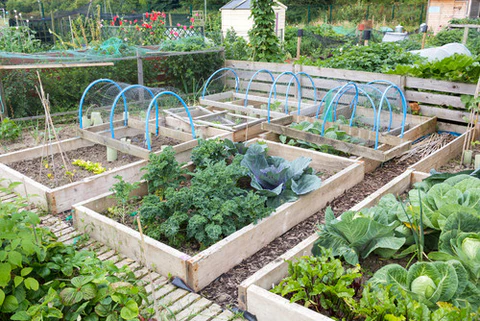
Growing edible flowers can be a delightful addition to your home gardening endeavors, even if you’re working with limited space. These blooms not only add color and beauty to your environment but also offer a unique culinary twist to your dishes. Whether you’re a seasoned gardener or a beginner, cultivating these flowers in compact areas is entirely feasible with the right approach.
Before diving into the specifics, it’s essential to plan your space efficiently. Consider using vertical gardening techniques or containers to maximize your area. For more insights on efficient space usage, you might find the modern homesteading herbal garden ideas helpful.
Choosing the Right Varieties
When selecting edible flowers, it’s crucial to choose varieties that thrive in small spaces. Some popular options include nasturtiums, pansies, and violets. These flowers are not only easy to grow but also versatile in culinary applications. Nasturtiums, for instance, have a peppery flavor that can enhance salads and garnishes.
Preparing Your Planting Area
To ensure your flowers thrive, prepare your planting area carefully. Use high-quality soil that drains well, and consider adding organic matter to enrich it. If you’re using containers, ensure they have adequate drainage holes. This step is vital to prevent waterlogging, which can harm your plants.
Planting and Care Tips
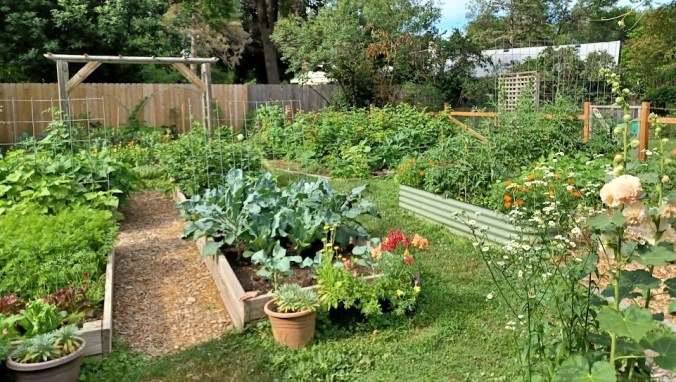
Once your area is prepared, it’s time to plant your seeds or seedlings. Follow the spacing guidelines on the seed packets to ensure optimal growth. Water your plants regularly, but be cautious not to overwater. Edible flowers generally require full sun, so place them in a location that receives ample sunlight.
Regular maintenance is key to healthy plants. This includes deadheading spent blooms to encourage new growth and checking for pests. If pests become an issue, consider natural remedies or organic pesticides to protect your plants.

Harvesting and Usage
Harvest your flowers when they are fully open but not yet wilting. This timing ensures the best flavor and texture. Use scissors to snip the blooms, and handle them gently to avoid bruising. Once harvested, rinse them lightly and use them fresh in salads, desserts, or as garnishes.
For those interested in more homesteading tips, the principles of homesteading for beginners can provide additional guidance on integrating edible flowers into your lifestyle.
FAQs
What are the best edible flowers for beginners?
Some of the easiest edible flowers to grow include nasturtiums, pansies, and marigolds. These flowers are not only visually appealing but also simple to cultivate, making them ideal for beginners.
Can edible flowers be grown indoors?
Yes, many edible flowers can be grown indoors, provided they receive enough light. Consider using LED grow lights to supplement natural sunlight if necessary.
How do I ensure my edible flowers are safe to eat?
To ensure safety, avoid using chemical pesticides and fertilizers. Always wash flowers thoroughly before consumption and only consume flowers that are known to be edible.