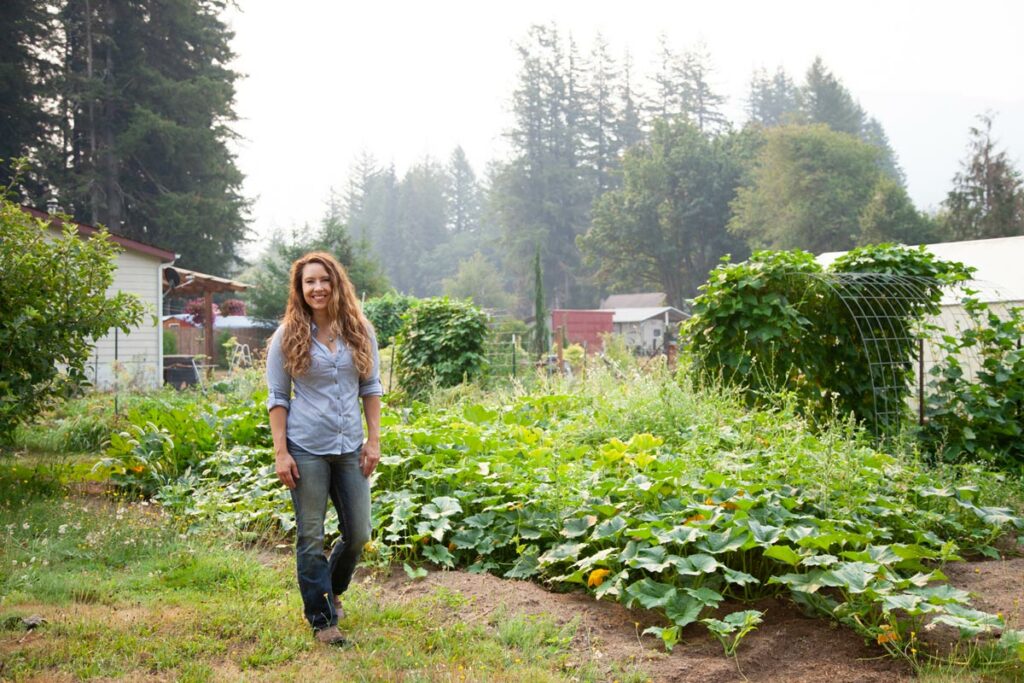
Embracing a self-sufficient lifestyle away from traditional utilities is a growing trend for those seeking independence, sustainability, and a closer connection to nature. Making the transition to living off the grid is a significant undertaking that requires careful planning, resourcefulness, and a willingness to adapt. This guide breaks down the process into manageable stages, offering practical advice for anyone considering this rewarding journey.
Whether you’re just starting to dream about a rural escape or are ready to take concrete steps toward your own homestead, understanding the essentials of off-grid homesteading step by step will help you avoid common pitfalls and set realistic expectations. For those interested in optimizing their setup, resources like the modern homesteading fencing guide can provide valuable insights on property boundaries and animal management early in your planning.
Initial Planning for an Off-Grid Lifestyle
The foundation of a successful off-grid homestead is thorough planning. Start by defining your goals: Are you aiming for complete self-sufficiency, or do you plan to maintain some connection to public utilities? Consider your climate, available resources, and the needs of your household.
- Budgeting and Costs: Create a realistic budget that accounts for land, building materials, tools, and ongoing maintenance. For tips on managing expenses, the modern homesteading budgeting tips article offers practical guidance.
- Location Selection: Research land with access to water, good soil, and favorable zoning laws. Proximity to markets or communities can also influence your daily life.
- Legal Considerations: Check local regulations regarding building codes, septic systems, and alternative energy installations.
Designing and Building Your Homestead
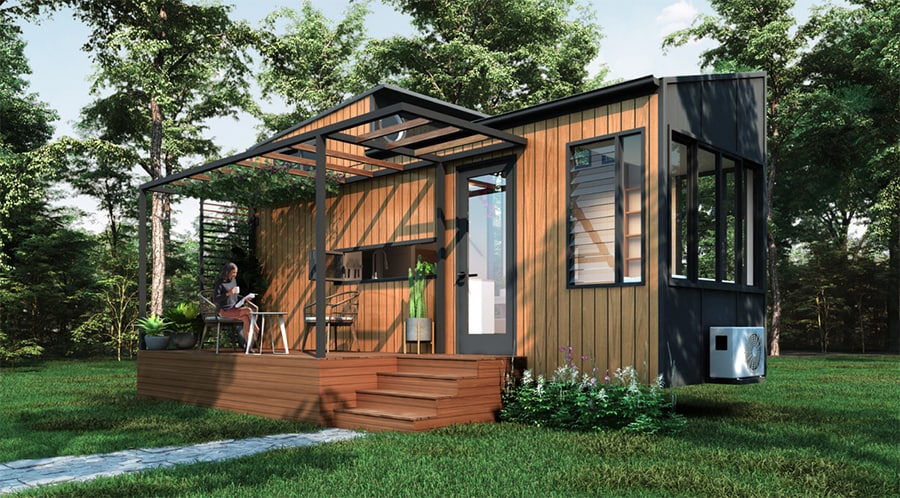
Once you’ve secured land, the next step is to design your living space and essential systems. Many choose to start with a small, energy-efficient dwelling, such as a tiny house or cabin, to minimize upfront costs and simplify maintenance.
Essential Infrastructure: Power, Water, and Waste
Establishing reliable utilities is a core part of the off-grid homesteading step by step process. Consider the following systems:
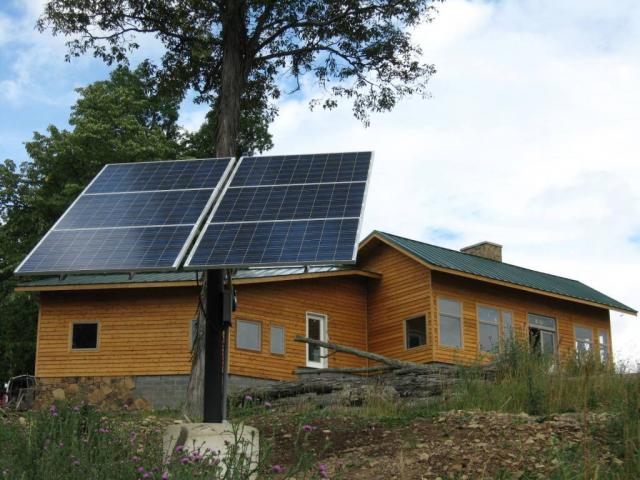
- Power: Solar panels are the most popular choice, but wind turbines or micro-hydro systems may be viable depending on your location. Invest in batteries and backup generators for consistent supply.
- Water: Options include drilling a well, harvesting rainwater, or using a nearby spring. Water purification and storage are critical for safety and reliability.
- Waste Management: Composting toilets, septic systems, and greywater recycling help minimize environmental impact and meet health regulations.
For a comprehensive overview of energy solutions and practical tips, the off-grid living guide by Briggs & Stratton is a valuable resource.
Food Production and Animal Care
Growing your own food is a cornerstone of self-reliant living. Start with a manageable garden and expand as you gain experience. Raised beds, companion planting, and crop rotation can boost yields and reduce pests. For those interested in herbal remedies and natural health, exploring modern homesteading herbal garden ideas can add diversity to your homestead.
- Vegetable Gardens: Choose crops suited to your climate and soil. Invest in quality tools and consider season extension methods like cold frames or greenhouses.
- Livestock: Chickens, goats, and rabbits are popular for beginners. Ensure you have secure fencing, shelter, and a reliable water source. For more on animal care, the modern homesteading backyard dairy basics guide is a helpful reference.
- Preservation: Learn to can, dehydrate, or ferment produce to extend your harvest through the year.
Seasonal Maintenance and Adaptation
Homesteading is an ongoing process that requires regular maintenance and the ability to adapt to changing conditions. Develop a seasonal checklist for repairs, planting, harvesting, and animal care. Staying organized helps prevent small issues from becoming major setbacks.
Common Challenges and How to Overcome Them
Transitioning to a self-sufficient lifestyle comes with its share of obstacles. Weather extremes, equipment failures, and learning curves are all part of the experience. Here are some strategies to help you stay resilient:
- Continuous Learning: Take advantage of books, online forums, and local workshops. Avoiding modern homesteading beginner mistakes can save you time and resources.
- Community Connections: Building relationships with neighbors and local experts can provide support, bartering opportunities, and valuable knowledge.
- Backup Plans: Always have contingency plans for power, water, and food. Redundancy is key to long-term sustainability.
Frequently Asked Questions
What are the first steps to take when starting an off-grid homestead?
Begin by researching and selecting suitable land, setting a realistic budget, and learning about local regulations. Prioritize establishing water access, shelter, and basic utilities before expanding into gardening or livestock.
How much does it cost to set up a self-sufficient homestead?
Costs vary widely depending on location, size, and chosen systems. Initial expenses often include land purchase, building materials, power generation, and water infrastructure. Ongoing costs include maintenance, seeds, animal feed, and repairs. Careful planning and DIY skills can help reduce expenses.
Can you live completely off the grid without any outside support?
While it is possible to achieve a high degree of independence, most homesteaders rely on some external resources, especially during the initial years. Building skills, establishing reliable systems, and connecting with a supportive community can make the transition smoother and more sustainable.
Conclusion
Creating a thriving homestead away from traditional infrastructure is a rewarding but complex process. By following a step-by-step approach to off-grid homesteading, you can build a resilient, productive, and fulfilling lifestyle. Take time to plan, learn from others, and adapt as you go. With patience and perseverance, the dream of self-reliance can become a reality.