Growing a thriving garden in a compact area requires smart planning and attention to detail. One of the most important steps for container gardeners, balcony growers, and anyone working with limited outdoor space is understanding the quality of their soil. Small-space soil testing is not just for large homesteads or rural properties—it’s a practical, accessible process that can make a big difference in the health and productivity of any small garden.
Whether you’re using raised beds, pots, or fabric grow bags, knowing what’s in your soil helps you choose the right amendments and avoid common pitfalls. This article will walk you through simple, effective ways to assess your soil, interpret results, and make improvements, all tailored for those working with less square footage. For those interested in broader homesteading topics, the modern homesteading fencing guide offers additional insights for maximizing small properties.
Why Soil Testing Matters for Compact Gardens
When gardening in small spaces, every inch counts. Unlike traditional in-ground plots, containers and raised beds have limited soil volume, which means nutrients can be depleted more quickly and imbalances can develop faster. Testing your soil in small spaces helps you:
- Identify nutrient deficiencies or toxicities before they affect plant growth.
- Choose the right fertilizers and amendments, saving time and money.
- Prevent issues like poor drainage or pH imbalances that can stunt or kill plants.
- Maximize yields and plant health, even in the smallest of gardens.
For those just starting out, understanding soil basics is as important as selecting the right containers or seeds. If you’re interested in getting started with limited space, check out this guide to homesteading in a small space for more foundational tips.
Simple Methods for Small-Space Soil Testing
Testing soil in a compact garden doesn’t require expensive equipment or professional services. There are several easy, affordable options available:
1. At-Home Test Kits
Many garden centers and online retailers offer soil test kits designed for home use. These kits typically measure pH, nitrogen, phosphorus, and potassium—the key nutrients plants need. They’re ideal for containers, raised beds, and small plots because they require only a small sample and provide quick results.
- How to use: Collect a small amount of soil from several spots in your garden, mix them together, and follow the kit instructions. Most kits use color-changing strips or capsules to indicate nutrient levels.
- Best for: Quick checks and routine monitoring.
2. DIY Soil Observation
Even without a kit, you can learn a lot by observing your soil’s texture, color, and drainage. Squeeze a handful of moist soil—if it forms a loose ball that crumbles easily, it’s likely well-balanced. If it stays sticky or falls apart immediately, you may need to adjust your mix.
- Tip: Watch for pooling water after rain or watering. Poor drainage is a common issue in small containers and can lead to root rot.
3. Sending Samples to a Lab
For a more detailed analysis, consider sending a small sample to a local cooperative extension or soil lab. This is especially useful if you’re reusing soil or have noticed persistent plant problems. Labs can test for micronutrients, contaminants, and organic matter content, giving you a complete picture of your growing medium.
Interpreting Your Results and Taking Action
Once you’ve tested your soil, the next step is to understand what the results mean for your specific setup. Here’s how to interpret common findings and what to do next:
- Low Nitrogen: Add composted manure, blood meal, or organic fertilizers formulated for vegetables.
- High pH (Alkaline): Mix in peat moss, elemental sulfur, or use acid-loving plant fertilizers.
- Low pH (Acidic): Add garden lime or wood ash in small amounts, retesting after a few weeks.
- Poor Drainage: Incorporate perlite, coarse sand, or switch to a lighter potting mix.
Choosing the Right Soil Mix for Limited Spaces
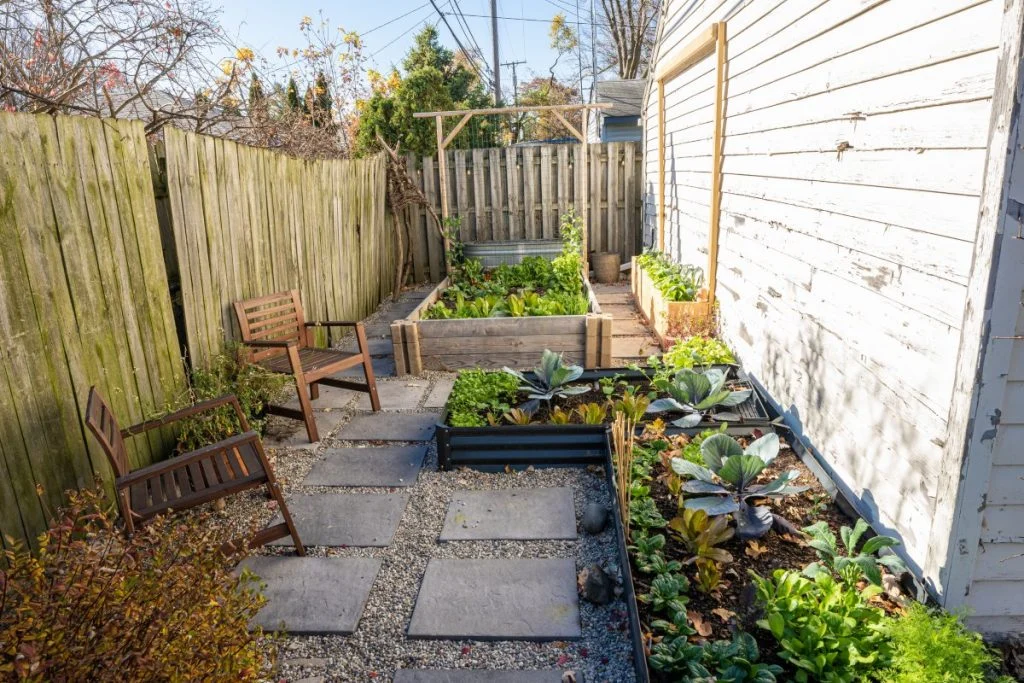
Not all soils are created equal, especially when you’re working with containers or raised beds. A well-chosen mix can reduce the need for frequent testing and amendments. Here are some guidelines for selecting or creating a soil blend that supports healthy growth in small areas:
- Use a high-quality potting mix as your base. Avoid using garden soil alone, as it can compact and drain poorly in containers.
- Add organic matter like compost, worm castings, or coconut coir to improve structure and nutrient content.
- Include perlite or vermiculite to promote aeration and prevent waterlogging.
- Test your mix before planting, especially if you’re reusing soil from previous seasons.
Regularly refreshing your containers with new organic matter and monitoring for compaction will help maintain a healthy growing environment. For inspiration on growing herbs and other plants in small spaces, see the modern homesteading herbal garden ideas article.
Common Challenges and Solutions for Urban and Small-Space Gardeners
Compact gardens come with unique challenges, but most can be addressed with a little planning:
- Limited sunlight: Use reflective surfaces, position containers strategically, or supplement with LED grow lights for indoor setups.
- Water management: Small containers dry out quickly. Mulch the soil surface and use self-watering pots where possible.
- Soil exhaustion: Rotate crops, add compost regularly, and test soil at least once per season.
- Pest pressure: Monitor closely and use physical barriers or organic controls as needed.
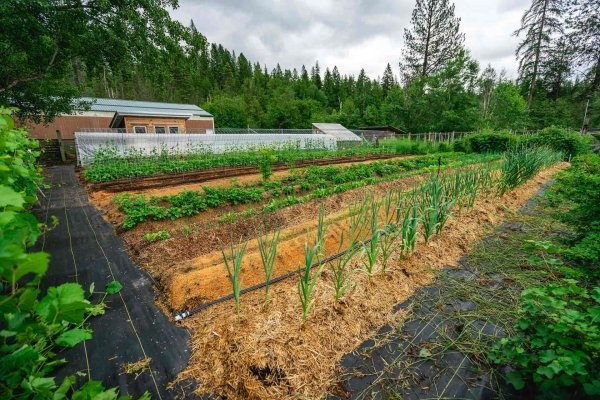
Maintaining Healthy Soil Year-Round
Soil in small gardens can change quickly due to watering, fertilizing, and plant uptake. To keep your growing medium in top shape:
- Test regularly: At least once per season, or whenever you notice plant health issues.
- Amend as needed: Use organic fertilizers and compost to replenish nutrients.
- Rotate crops: Even in containers, changing what you grow helps prevent nutrient depletion and disease buildup.
- Monitor moisture: Over- or under-watering can affect nutrient availability. Use your finger or a moisture meter to check soil before watering.
For those managing a backyard homestead, soil care is just one part of a larger system. Explore more about efficient resource management in the modern homesteading budgeting tips guide.
Frequently Asked Questions
How often should I test soil in containers or raised beds?
It’s best to check your soil at the start of each growing season and again mid-season if you notice plant problems. Because nutrients can be depleted quickly in small spaces, regular monitoring helps you catch issues early.
Can I reuse soil from last year’s pots?
Yes, but it’s important to test and amend it first. Remove old roots, add fresh compost or organic matter, and check for pests or diseases. If the soil is compacted or has drainage issues, mix in perlite or replace part of the mix.
What’s the easiest way to improve poor soil in a small garden?
Adding compost is the simplest and most effective method. Compost improves texture, adds nutrients, and supports beneficial microbes. For targeted fixes, use organic fertilizers based on your soil test results.
Do I need different soil for herbs, vegetables, and flowers?
Most plants thrive in a rich, well-draining potting mix, but some (like blueberries or azaleas) prefer more acidic conditions. Always check the needs of your specific plants and adjust your soil mix as needed.
For more tips on avoiding common mistakes, see the modern homesteading beginner mistakes resource.