Urban living often limits the availability of outdoor space, making traditional gardening a challenge. However, small-space micro-farming offers a viable solution for city dwellers looking to grow their own food. This approach utilizes innovative techniques to maximize yield in limited areas, transforming balconies, rooftops, and even indoor spaces into productive gardens.
For those interested in sustainable living, integrating micro-farming into your home can significantly reduce your carbon footprint and provide fresh produce year-round. To get started, consider exploring modern homesteading greenhouse tips for additional insights.
Choosing the Right Containers
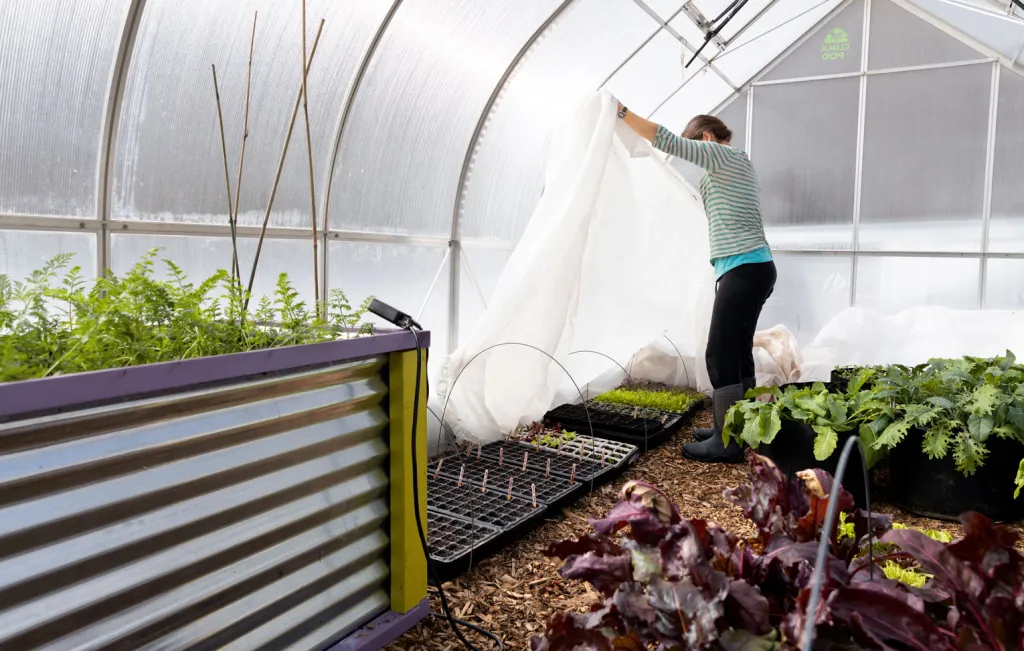
One of the key components of micro-farming is selecting the appropriate containers. Options range from traditional pots to innovative solutions like vertical planters and hydroponic systems. When choosing containers, consider the type of plants you wish to grow and the available space. Ensure that the containers have adequate drainage to prevent root rot.

Optimizing Light and Water
Light and water are crucial for plant growth. In urban environments, natural light may be limited, making it essential to supplement with artificial lighting. LED grow lights are an excellent choice as they are energy-efficient and can be tailored to the specific needs of your plants.
Watering should be consistent but not excessive. Consider installing a drip irrigation system to ensure plants receive the right amount of moisture without overwatering. This method is particularly effective in small-space micro-farming setups where manual watering can be cumbersome.
Choosing the Right Plants
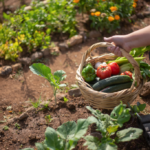
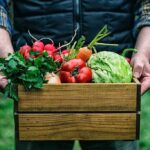
Selecting suitable plants is vital for a successful micro-farming venture. Leafy greens, herbs, and compact vegetables like cherry tomatoes and peppers are ideal for small spaces. These plants have shorter growing cycles and can thrive in confined areas.
For those interested in expanding their plant selection, explore resources on small-scale homesteading to discover more plant varieties that suit urban environments.

Maintaining Your Urban Garden
Regular maintenance is essential to keep your micro-farm thriving. This includes monitoring for pests, pruning plants to encourage growth, and rotating crops to maintain soil health. For more comprehensive strategies, consider reading about modern homesteading natural pest control techniques.
Additionally, keeping a gardening journal can help track plant growth and identify successful practices. This record-keeping is invaluable for making informed decisions in future planting seasons.
FAQs
What are the best plants for small-space farming?
Leafy greens, herbs, and compact vegetables like cherry tomatoes and peppers are ideal for small spaces due to their shorter growing cycles and adaptability to confined environments.
How can I optimize lighting for indoor plants?
Using LED grow lights is an effective way to supplement natural light. These lights are energy-efficient and can be adjusted to meet the specific needs of your plants.
What is the importance of container selection in micro-farming?
Choosing the right containers is crucial as they affect plant health and growth. Ensure containers have adequate drainage and are suitable for the plant types you intend to grow.