Embracing a modern approach to homesteading means blending traditional self-sufficiency with innovative, practical solutions. One of the most rewarding ways to do this is by cultivating an herbal garden that supports your household’s health, flavor, and sustainability goals. Whether you’re working with a sprawling rural property or a compact urban backyard, there are countless ways to design and maintain a thriving herb space that fits your needs.
In this guide, we’ll explore a variety of modern homesteading herbal garden ideas to help you plan, plant, and enjoy a productive herb patch. You’ll find inspiration for layout, plant selection, and maintenance, as well as tips for integrating your herbs into daily life. For those interested in broader homestead planning, check out the modern homesteading homestead design ideas for more comprehensive strategies.
Benefits of Growing Herbs on a Modern Homestead
Herbs are among the most versatile and rewarding plants you can grow. They offer culinary, medicinal, and aesthetic value, making them a staple in any self-reliant household. Here are some key advantages of incorporating herbs into your homestead:
- Low Maintenance: Most herbs are hardy, drought-tolerant, and require minimal care once established.
- Space Efficiency: Herbs thrive in small spaces, containers, or vertical gardens, making them ideal for any size property.
- Health Benefits: Many herbs have medicinal properties and can be used for teas, tinctures, and natural remedies.
- Pollinator Support: Flowering herbs attract bees, butterflies, and other beneficial insects to your garden.
- Fresh Flavors: Homegrown herbs elevate the taste of homemade meals and preserves.
Planning Your Herbal Garden: Key Considerations
Before you start planting, it’s important to assess your space, climate, and goals. Here are a few factors to keep in mind when designing your herb patch:
- Sunlight: Most herbs prefer at least 6 hours of direct sun per day. Choose a location that receives ample light.
- Soil Quality: Well-draining soil is crucial. Amend with compost or organic matter to boost fertility.
- Water Access: While many herbs are drought-tolerant, regular watering during establishment is essential.
- Accessibility: Place your herb garden near the kitchen or main living area for easy harvesting.
- Companion Planting: Some herbs deter pests or enhance the growth of neighboring plants. For more on this, see the modern homesteading natural pest control guide.
Creative Layouts for a Modern Herbal Patch
There’s no one-size-fits-all approach to herb garden design. Here are several modern layouts and structures that work well for contemporary homesteads:
Raised Beds and Container Gardens
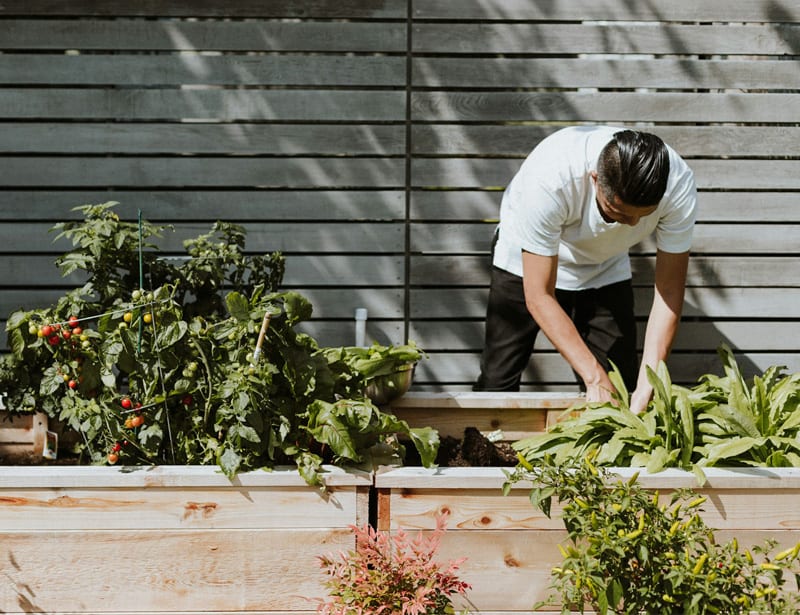
Raised beds offer excellent drainage and make it easy to control soil quality. They’re also accessible for gardeners with mobility concerns. Containers—such as pots, troughs, or even repurposed buckets—are perfect for patios, balconies, or small yards. Group herbs with similar water and sunlight needs for best results.
Vertical and Wall Gardens
For those with limited ground space, vertical gardens provide a stylish and efficient solution. Use wall-mounted planters, stacked pots, or hanging baskets to grow herbs up instead of out. This method also keeps plants within easy reach for harvesting.
Spiral and Keyhole Gardens
Herb spirals and keyhole beds are visually appealing and highly productive. These designs maximize planting area and create microclimates for different herb varieties. A spiral garden, for example, allows you to plant drought-tolerant herbs at the top and moisture-loving varieties at the base.
Top Herbs for the Self-Sufficient Gardener
Selecting the right herbs for your garden depends on your culinary preferences, climate, and intended uses. Here are some popular choices for modern homesteaders:
- Basil: Essential for pesto, salads, and Italian dishes. Thrives in warm weather.
- Rosemary: Hardy and drought-resistant, perfect for roasts and herbal teas.
- Thyme: Versatile and easy to grow, with both culinary and medicinal uses.
- Mint: Vigorous grower—best kept in containers to prevent spreading.
- Oregano: A staple for Mediterranean cuisine and natural remedies.
- Chives: Adds a mild onion flavor to dishes and is attractive in borders.
- Lemon Balm: Calming herb for teas and tinctures, also repels mosquitoes.
- Sage: Valuable for cooking, teas, and as a pollinator attractant.

Integrating Herbs into Everyday Homestead Life
Once your herbs are established, you’ll find countless ways to use them in daily routines. Fresh herbs can be harvested for cooking, dried for winter use, or infused into oils, vinegars, and salves. Many homesteaders also create herbal teas, tinctures, and natural cleaning products from their garden’s bounty.
For those interested in extending the growing season, consider reviewing the modern homesteading greenhouse tips for advice on protecting tender herbs during colder months.
Eco-Friendly Practices for Sustainable Herb Gardening
Sustainability is at the heart of contemporary homesteading. Here are a few ways to ensure your herb garden is as eco-friendly as possible:
- Composting: Recycle kitchen scraps and garden waste to enrich your soil naturally.
- Mulching: Use organic mulch to retain moisture, suppress weeds, and regulate soil temperature.
- Water Conservation: Install drip irrigation or collect rainwater to minimize water use.
- Natural Pest Control: Attract beneficial insects and use companion planting to reduce reliance on chemicals.
- Seed Saving: Harvest seeds from mature herbs to plant next season, reducing costs and preserving varieties.
For more on sustainable living and frugal practices, you might find inspiration in resources like this overview of modern homesteading principles.
Seasonal Care and Maintenance Tips
Keeping your herb garden productive throughout the year requires some seasonal attention. In spring, focus on planting and dividing perennials. Summer is the time for regular harvesting and pinching back to encourage growth. In autumn, dry or preserve herbs for winter use, and mulch beds to protect roots from frost. Winter is ideal for planning next year’s layout and ordering seeds.
Regular tool upkeep is also important for efficient gardening. For practical advice, see the modern homesteading tool maintenance tips.
FAQ: Herbal Gardening for Modern Homesteaders
What are the easiest herbs to grow for beginners?
Some of the most beginner-friendly herbs include basil, chives, mint, and parsley. These varieties are forgiving, grow quickly, and adapt well to containers or garden beds.
How can I keep my herb garden productive year-round?
To extend your harvest, consider growing herbs indoors on sunny windowsills or using a greenhouse. Regularly harvest and prune your plants, and preserve excess by drying or freezing for off-season use.
What’s the best way to prevent pests in an herbal garden?
Encourage beneficial insects by planting flowers like calendula or nasturtium nearby. Use mulch to deter weeds and maintain soil health, and practice crop rotation. For more details, refer to the natural pest control guide.
Can I grow herbs if I only have a small space?
Absolutely. Many herbs thrive in containers, window boxes, or vertical gardens. Choose compact varieties and group them based on their sunlight and water needs for best results.
Conclusion
Creating a thriving herb garden is a practical and rewarding way to enhance your self-sufficiency journey. By combining thoughtful design, sustainable practices, and a selection of versatile plants, you can enjoy fresh flavors, natural remedies, and a beautiful green space year-round. Whether you’re just starting out or looking to expand your homestead, these approaches offer inspiration and practical guidance for every gardener.