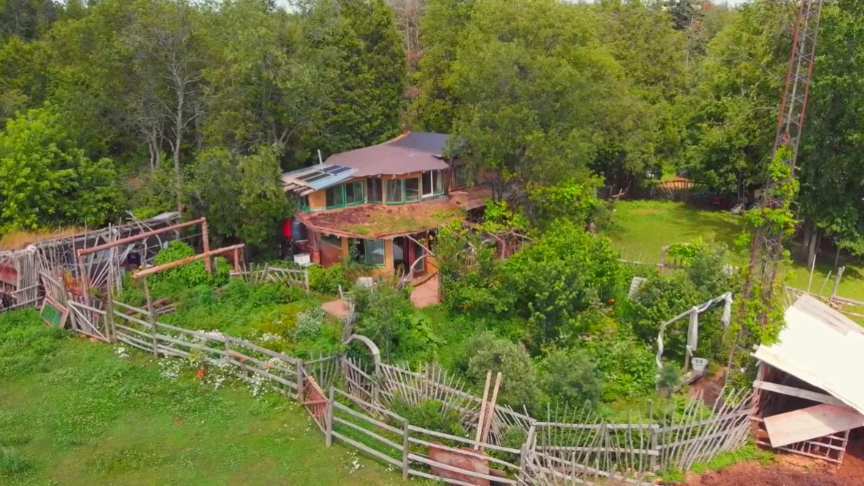
Creating your dream homestead on a 15-acre plot is an enticing opportunity for many aspiring homesteaders. The idea of building a log cabin on such a vast expanse of land requires careful planning and strategic placement. This article provides valuable insights into how to effectively plan and position your log cabin to maximize the potential of your homestead.
Understanding the Importance of Cabin Placement
The placement of your log cabin on your 15-acre homestead is crucial for several reasons. It impacts everything from accessibility to aesthetics, and even your daily living experience.
The Role of Accessibility
One of the first considerations is how easily accessible your cabin will be. You want to ensure it is conveniently reachable from the main road or driveway. Evaluate the existing paths or potential for creating a new one that leads smoothly to your cabin.
Maximizing Aesthetic Appeal
Choosing the right spot for your log cabin can enhance the visual appeal of your property. Consider viewpoints and how the cabin will look from various angles. You want a location that showcases the natural beauty of your 15-acre land.
Environmental Considerations
Understanding the environmental aspects of your land is essential. This includes assessing soil quality, drainage patterns, and natural windbreaks.
Utilizing Natural Features
Make the most of your lands natural features. Consider placing your log cabin near a water source or using the natural topography to your advantage. This can aid in water management and provide a scenic backdrop.
For further insights on managing natural elements, you might want to explore erosion control techniques to protect your land.
Climate and Weather Patterns
Understanding local weather patterns is crucial for cabin placement. Consider prevailing winds, sun path, and seasonal changes. This helps in selecting a site that offers natural protection and energy efficiency.
Legal and Zoning Regulations
Before building, familiarize yourself with local zoning laws and regulations. These can dictate where and how you can construct your log cabin.
Permits and Approvals
Ensure you secure the necessary permits before beginning construction. This can include building permits, environmental assessments, and more. Ignoring these can lead to legal issues and delays.
Property Boundaries
Clearly identify and respect property boundaries to avoid disputes with neighbors. This is crucial when planning the size and location of your cabin.
Design and Layout Considerations
The design and layout of your log cabin should complement its surroundings and meet your living needs.
Size and Scale
Determine the size of your cabin based on your needs and the available space. Ensure the scale is appropriate for the land and doesnt overwhelm the natural landscape.
Orientation and Layout
Plan the orientation of your cabin to capture natural light and optimize energy efficiency. A well-thought-out layout can also enhance ventilation and comfort.
Sustainable Practices
Incorporating sustainable practices in your cabin placement can lead to a more eco-friendly homestead.
Utilizing Renewable Resources
Consider using renewable energy sources such as solar or wind power. This not only reduces your carbon footprint but also provides long-term cost savings.
Water Management
Implement effective water management strategies to ensure a sustainable water supply. Rainwater harvesting and efficient drainage systems can be beneficial.
Integrating with the Homestead
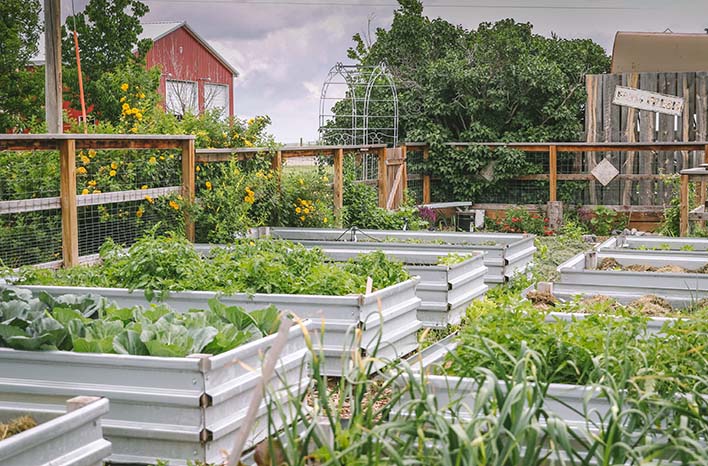
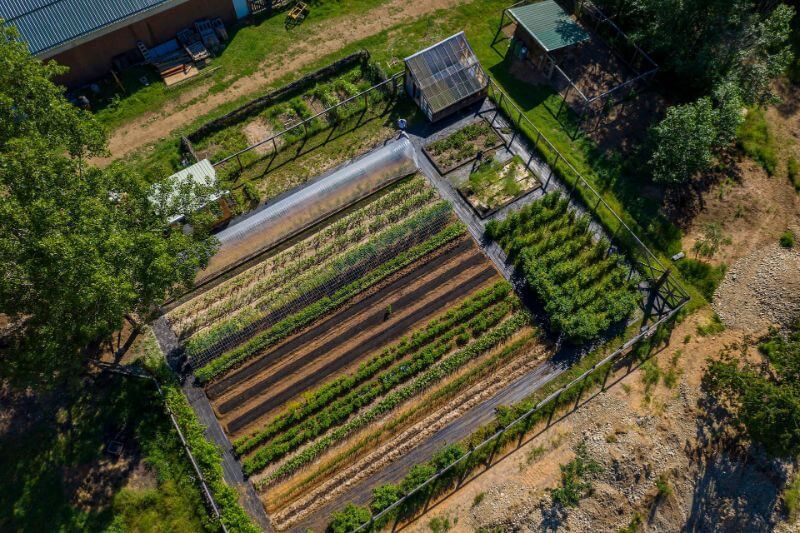
Your log cabin should seamlessly integrate with the rest of your 15-acre homestead. Plan for gardens, outbuildings, and other structures in harmony with your cabin.
Creating Living Spaces
Design outdoor spaces that complement your cabin, such as patios, gardens, or decks. These areas can enhance your living experience and provide additional functional space.
For ideas on diversifying your homestead, consider looking at income diversification strategies.
Pathways and Connectivity
Develop pathways that connect different parts of your homestead. This ensures easy movement and accessibility throughout the property.
Conclusion
Placing a log cabin on a 15-acre homestead is a rewarding endeavor that requires careful consideration and planning. By thoughtfully selecting the location and incorporating sustainable practices, you can create a harmonious and thriving homestead.
For more information on homesteading, you might find this mini-farm plan helpful.
FAQs
What are the key factors in choosing a cabin site?
Key factors include accessibility, environmental impact, legal regulations, and integration with the homestead.
How can I ensure my cabin is eco-friendly?
Incorporate renewable energy sources, efficient water management, and sustainable building materials.
What should I consider about local weather?
Consider prevailing winds, sun path, and seasonal climate variations to optimize comfort and efficiency.